As a wine enthusiast who has lived in Spain for many years and explored wine accessories, I’ve found that many friends get overwhelmed by the dense information on Spanish wine labels when purchasing wines. Today I’ll share how to properly decode Spanish wine labels, making wine selection much more manageable.
Regional Designations - Geographic Codes on Labels
One of the most important pieces of information on Spanish wine labels is the regional designation. DO is Spain’s appellation of origin mark, equivalent to France’s AOC system. Common premium regions include Rioja, Ribera del Duero, and Priorat. Even higher is the DOCa classification, currently held by only two regions among Spanish wine brands: Rioja and Priorat.
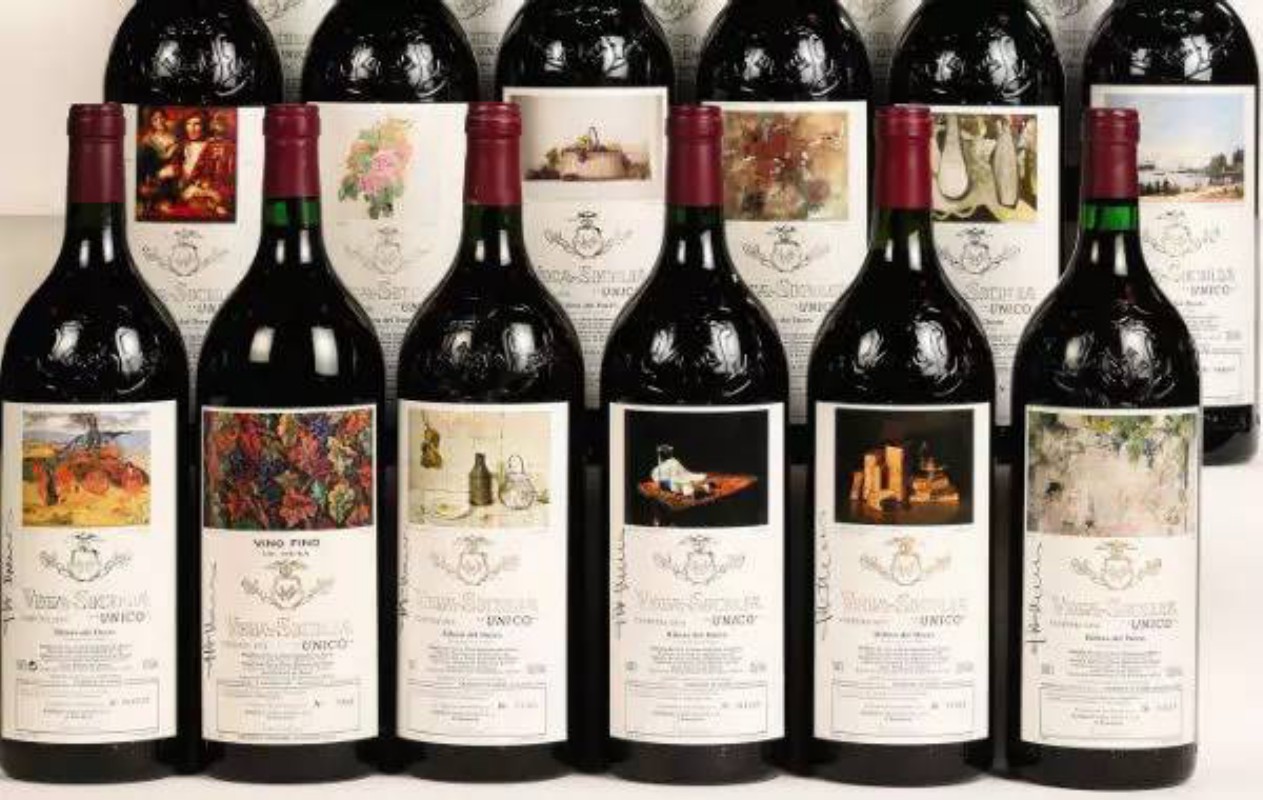
Winery Information and Brand Identity
Labels typically prominently display the winery name, such as renowned producers like Marqués de Riscal, Torres, and Vega Sicilia. Some labels also include historical winery information, such as founding dates or family heritage details. Additionally, note that “Elaborado por” indicates the producer, while “Embotellado por” indicates the bottler - this information helps you understand the wine’s true origin.
| Label Term | English Meaning | Description |
|---|
| Crianza | Aged | Minimum 2 years aging, including 6 months in oak |
| Reserva | Reserve | Minimum 3 years aging, including 1 year in oak |
| Gran Reserva | Grand Reserve | Minimum 5 years aging, including 2 years in oak |
Vintage Notation and Aging Classifications
Spanish wine vintage notation is usually clear, displayed prominently on the front label. More importantly, pay attention to aging classification marks, which directly affect wine quality and pricing. Joven indicates young wines, typically ready for consumption in the release year or following year, while Gran Reserva requires lengthy aging processes, resulting in more complex and mature flavors.
Grape Variety and Alcohol Content Labels
While traditional Spanish wines don’t necessarily list grape varieties on labels, increasingly more wineries now indicate primary varieties. Previously many wineries considered region more important than variety, but current trends emphasize both equally. Alcohol content is usually marked as “X% vol,” with Spanish red wines typically ranging from 12.5%-15%, valuable information for judging wine style.
By mastering these label interpretation methods, I believe everyone will feel more confident when purchasing Spanish wines. Remember, good labels aren’t just information carriers - they’re expressions of winery culture and tradition. Next time you’re buying wine, take time to carefully study the label; you’ll discover rich stories and knowledge within.
