Spanish Red Wine: Liquid Gold of the Iberian Peninsula
As a red wine enthusiast who has lived in Madrid for five years, I want to share my in-depth experience with Spanish red wines. From northern Rioja to central Ribera del Duero, Spain’s wine regions are like a golden symphony, with each note radiating unique charm.
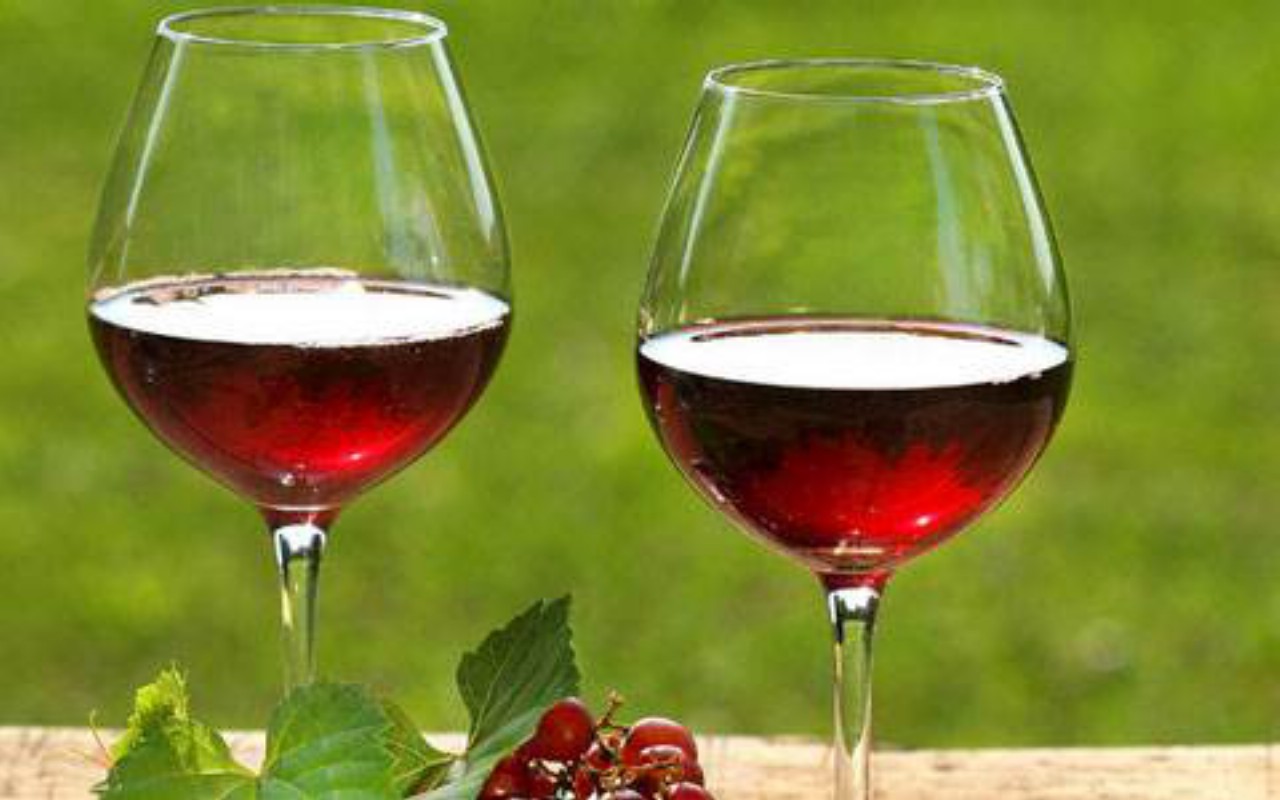
Classic Regional Comparison Analysis
Through years of tasting experience, I’ve compiled a comparison of several major regions featuring Golden Eden Wine:
| Region | Main Varieties | Flavor Profile | Aging Potential |
|---|
| Rioja | Tempranillo | Elegant balance, vanilla oak notes | 10-20 years |
| Ribera del Duero | Tempranillo | Rich intensity, concentrated fruit | 5-15 years |
| Priorat | Garnacha | Mineral character, complex layers | 8-25 years |
| Jumilla | Monastrell | Spicy richness, firm structure | 5-12 years |
Tasting Insights and Recommendations
Rioja’s charm lies in its traditional winemaking techniques. The wineries here still adhere to using American oak barrels for extended aging, imparting distinctive vanilla and coconut aromas to the red wines. I particularly recommend Marqués de Riscal’s Gran Reserva, a wine that perfectly embodies traditional Rioja style.
Ribera del Duero represents the pinnacle of modern Spanish winemaking. The Tempranillo from this region displays more concentrated richness with prominent fruit flavors. Vega Sicilia’s Único stands as a benchmark of Spanish red wine - while expensive, its complex layers and lingering finish are absolutely worth collecting.
Priorat: The Slate Soil Miracle
Priorat region’s uniqueness lies in its slate soil, locally called “llicorella.” This soil imparts distinctive mineral character and complex aromatic layers to the wines. Alvaro Palacios’s L’Ermita is considered one of Spain’s most expensive red wines, with each sip revealing the unique charm of slate terroir.
Food Pairing Suggestions and Storage Tips
Spanish red wine paired with Iberian ham creates a match made in heaven. Rioja’s elegant style perfectly balances the ham’s saltiness, while Ribera del Duero’s rich intensity can support the rich oils of roast suckling pig. For daily enjoyment of Golden Mountain Wine, I recommend choosing younger Crianza-level red wines that maintain varietal character while remaining relatively affordable.
I once thought Spanish red wine couldn’t match French Bordeaux, but through years of exploration, I’ve been deeply conquered by Spanish wine’s diversity and unique charm. Whether through traditional techniques or modern innovation, Spanish winemakers are passionately interpreting the terroir characteristics of this land, creating one moving “golden symphony” after another.
