As a wine enthusiast who has lived in Spain for many years, I frequently encounter friends asking about Spanish wine country codes. Today, I’d like to share this knowledge with everyone.
What is the ESP Country Code
The country code for Spanish wine is ESP, which is a three-letter code established according to the ISO 3166-1 alpha-3 standard. This code is used in international trade, customs declarations, and various official documents to identify wine products from Spain. Understanding this code is very important for importers and consumers.
Besides the Spanish wine code ESP, Spain also has several other country code formats:
| Code Type | Code | Usage |
|---|
| ISO 3166-1 alpha-2 | ES | Internet domains, postal codes |
| ISO 3166-1 alpha-3 | ESP | Trade, customs, statistics |
| Numeric code | 724 | International organizations, databases |
Overview of Major Spanish Wine Regions
Spain boasts numerous renowned wine regions, each with unique terroir conditions and winemaking traditions. Rioja is undoubtedly one of the most famous regions, renowned worldwide for its Tempranillo grape variety. The red wines here typically feature rich fruit aromas and oak barrel characteristics.
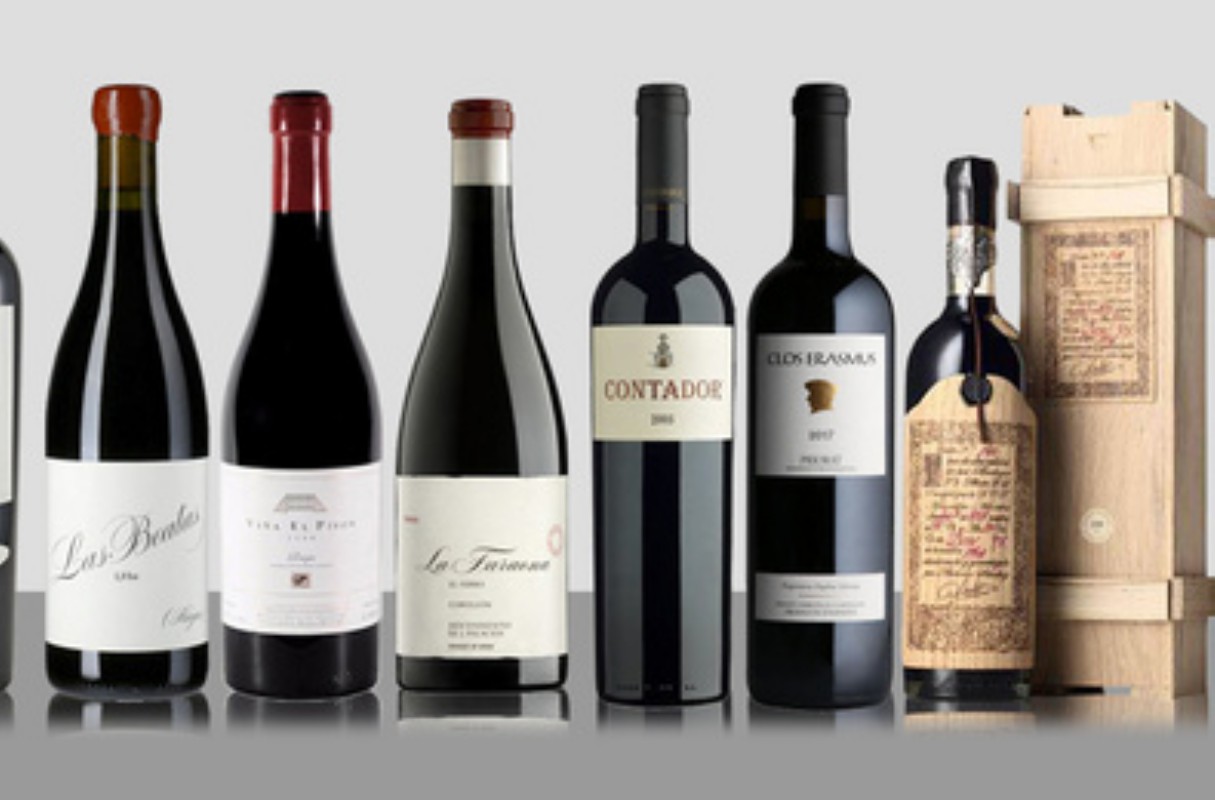
Ribera del Duero is another highly acclaimed region, also primarily focused on Tempranillo. Compared to Rioja, the red wines here tend to be more concentrated and robust, with relatively higher prices, but the quality is indeed outstanding.
How to Identify Authentic Spanish Wine
When purchasing Spanish wine, besides paying attention to the ESP country code, you should also look for DO or DOC labels on the wine label. These are Spain’s official protected designation of origin certifications, ensuring the wine’s quality and authenticity of origin.
Spanish red wines typically have alcohol content between 12-15%, which is also an important reference indicator. Authentic Spanish wines will clearly display region, vintage, alcohol content, and Spanish wine classification producer information on their labels.
Purchase Recommendations and Storage Methods
For those new to Spanish wine, I recommend starting with entry-level red wines from Rioja, which are reasonably priced and easily accessible. If you want to experience higher-end products, you can choose aged Reserva or Gran Reserva level wines.
Regarding storage, Spanish red wines should be kept in cool, dry places with temperature controlled between 12-18°C. For fine wines intended for long-term collection, I recommend purchasing professional wine cabinets for storage to ensure the wine quality remains unaffected.
