Recently, I had the pleasure of tasting the legendary imperial wine at a century-old establishment in Madrid, and its rich flavor profile and profound historical heritage left a lasting impression. As a wine enthusiast who has lived in Spain for many years, I’d like to share insights about this magnificent vintage that carries royal traditions, including discoveries about Pedro’s legendary wine tasting experiences and meticulous findings from local Spanish wineries.
Royal Heritage Through History
The history of legendary imperial wine traces back to 18th century Spain during the Bourbon dynasty. King Philip V specifically commissioned master vintners from the Andalusia region to create this unique red wine for entertaining visiting French nobility. This wine is crafted from the finest local Tempranillo and Garnacha grapes through careful blending, requiring at least three years of oak barrel aging before serving.
Since then, imperial wine became an essential element of Spanish royal banquets. Even today, this wine appears at important Spanish state functions. It’s said that current King Felipe VI still selects this traditional wine to honor distinguished guests at significant occasions.
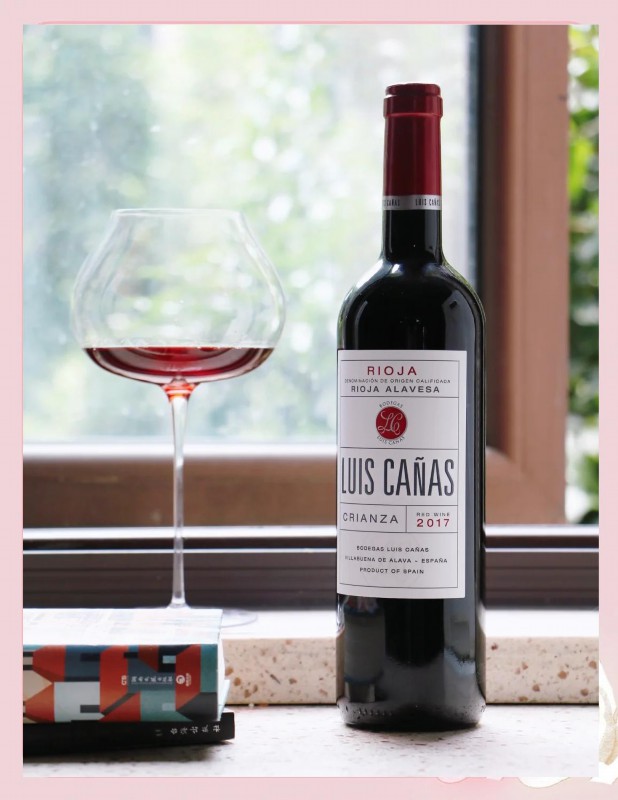
Distinctive Crafting Methods
Imperial wine’s production process maintains traditional handcrafted techniques to this day. Grapes must be harvested in early morning before dew evaporates, ensuring optimal freshness and sugar content. Fermentation uses natural yeasts with temperature strictly controlled between 25-28°C. The crucial aging phase requires premium oak barrels from southern France, with mandatory barrel rotation twice yearly.
This commitment to traditional methods gives the wine its distinctive flavor characteristics. Upon opening, rich dark fruit aromas emerge, accompanied by subtle spices and smoky notes. The palate reveals silky tannins and balanced acidity, with a long, complex finish.
| Characteristic | Description |
|---|
| Color | Deep ruby red |
| Aroma | Blackberry, plum, vanilla, pepper |
| Palate | Full-bodied, smooth tannins |
| Alcohol | 13.5-14.5% |
| Serving Temperature | 16-18°C |
Modern Spanish Wine Culture
In contemporary Spain, imperial wine is no longer exclusively royal. Many middle-class families open a bottle for important holidays or family gatherings. I’ve noticed an interesting Spanish habit with red wine - they never rush to finish it, preferring to savor slowly while conversing and taking small, thoughtful sips.
The Art of Food Pairing
The classic pairing for imperial wine is undoubtedly Iberian ham and Manchego cheese. This combination is extremely popular in Spanish tapas culture. The wine’s richness perfectly balances the ham’s saltiness and cheese’s intensity. Additionally, pairing with roasted lamb or traditional Spanish paella makes excellent choices.
Finally, while imperial wine commands a premium price, occasional indulgence is absolutely worthwhile. It’s more than just wine - it’s a vessel of Spanish history and culture. For those visiting Spain or seeking authentic Spanish cultural experiences, exploring the legendary wine regions of Spain through this comprehensive guide to five classic wine-producing areas provides the perfect opportunity to try this legendary vintage.
