Recently, I noticed many Spanish red wines in supermarkets have blue bottle caps, and I’ve always been curious about what this represents. After some research, I discovered there’s quite a bit of knowledge behind this small detail, so I’d like to share it with everyone.
The True Meaning of Blue Bottle Caps
The blue bottle caps on Spanish red wines are actually an official certification mark, primarily used to distinguish different grades of wine. According to Spanish wine regulations, blue bottle caps typically identify DO level wines, which is an important part of Spain’s wine quality classification system.
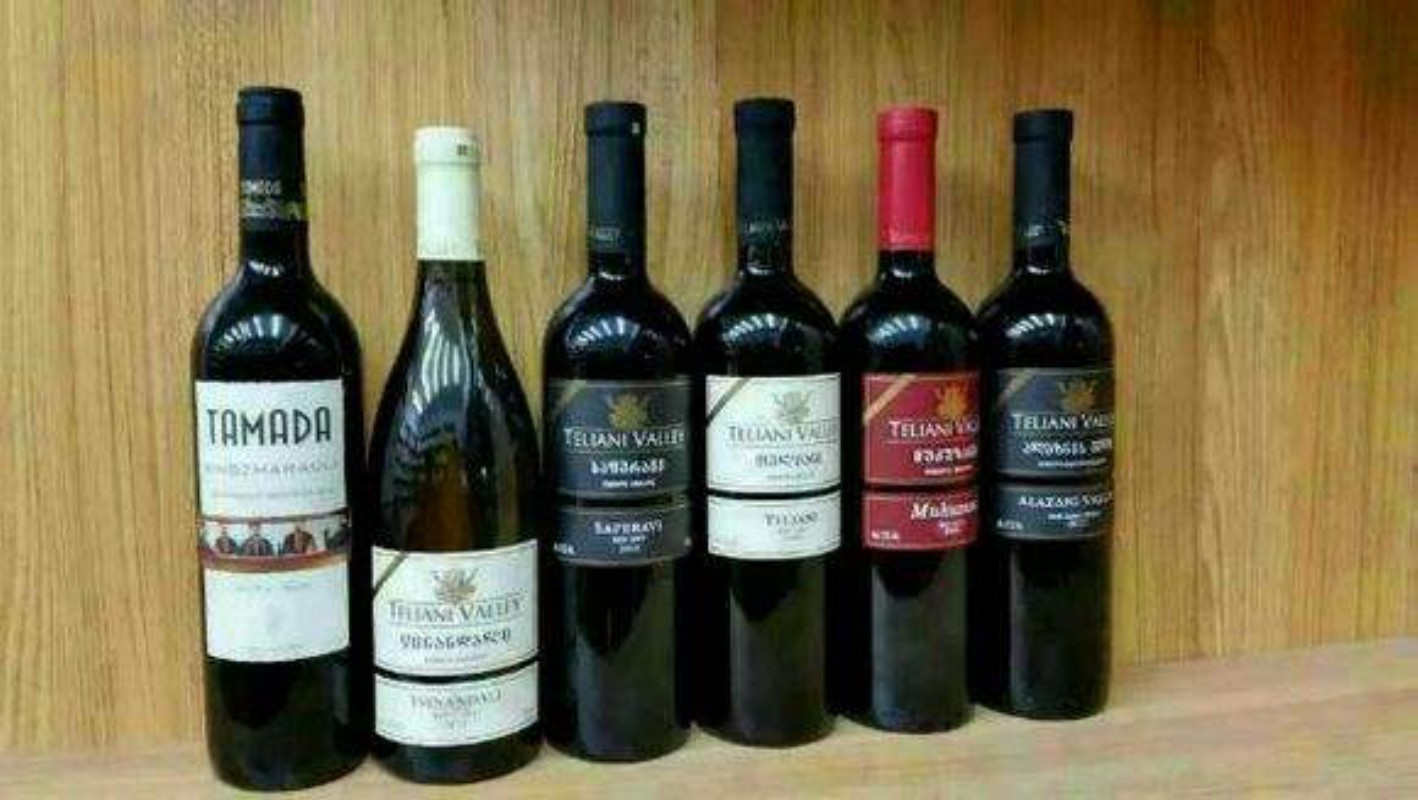
This marking system allows consumers to quickly identify the quality grade of wines, avoiding confusion when purchasing. Blue bottle cap wines typically come from strictly regulated regions, with clear standards for grape cultivation, winemaking processes, and storage.
Spanish Wine Grade Comparison Table
| Grade Mark | Color | Quality Level | Characteristics |
|---|
| VdM | No specific color | Table wine | Daily consumption |
| VT | Green/White | Regional wine | Regional characteristics |
| DO | Blue | Designated Origin | Strict quality control |
| DOCa | Red/Gold | Qualified Designated Origin | Highest grade |
However, it’s important to note that not all Spanish wines with blue bottle caps come from the same region. Famous regions like Rioja, Ribera del Duero, and Priorat all use this marking system.
How to Identify Quality Blue Bottle Cap Red Wines
When purchasing, besides looking at bottle cap color, pay attention to several key pieces of information. First is the regional name on the label, as wines from renowned regions typically offer better quality assurance. Second is the vintage year, as Spanish red wines emphasize aging, and good vintage wines are worth collecting.
Blue bottle cap wines typically range from 15-50 euros in price. If you encounter wines like blue Hawaiian red wine at unusually low prices, you may need to carefully consider authenticity issues. Genuine DO level wines have certain investments in production costs and regulatory fees, which is reasonably reflected in their selling price.
Finally, I recommend purchasing from reputable wine merchants or large supermarkets when buying, as this better ensures the authenticity and storage conditions of the wines. After all, even with the best grade markings, a good wine cannot recover its quality if improperly stored.
