Linya Wine In-Depth Experience: A Winemaking Treasure from Spain’s Balearic Islands
Recently at a winery tasting event in Madrid, I encountered Linya wine, and honestly I didn’t know much about this region before. However, after tasting it, I was truly amazed. Linya wine comes from the Balearic Islands, where the Mediterranean climate and unique limestone soils create very distinctive flavor characteristics. I had previously explored Finia Wine, but this was a completely different experience.
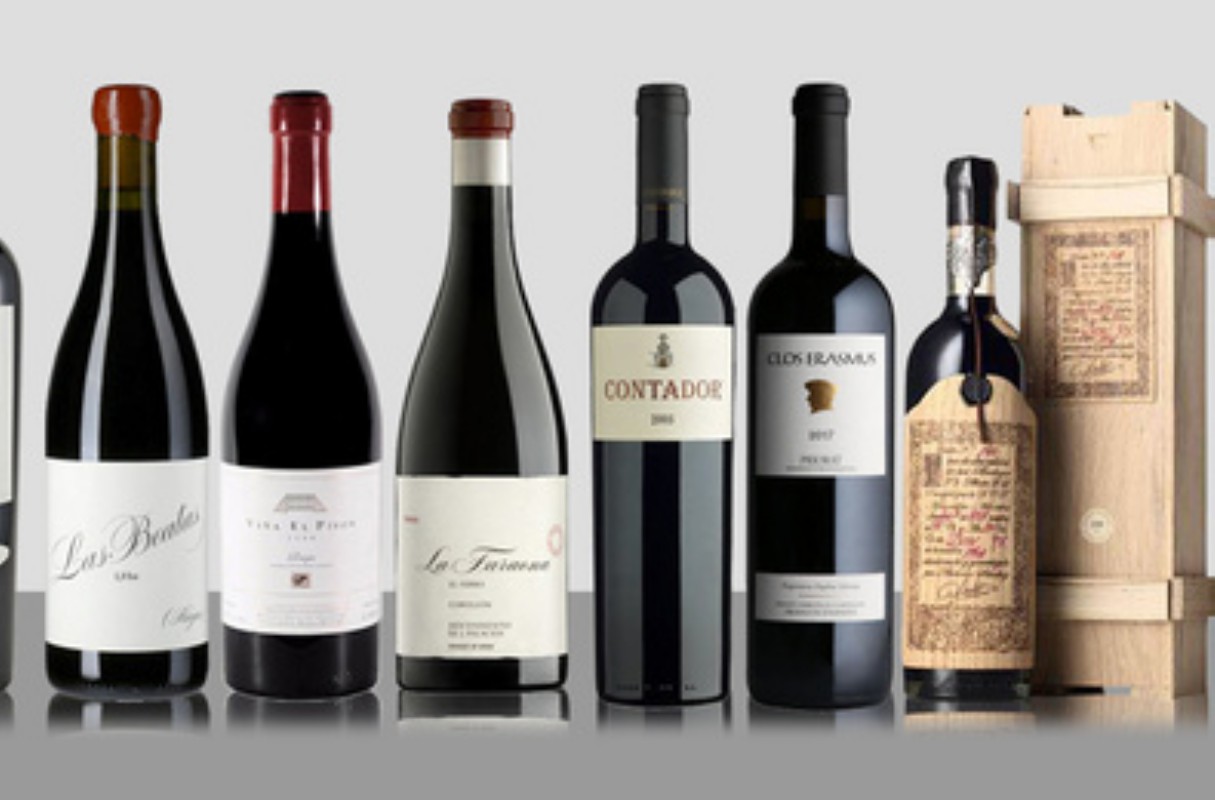
Regional Characteristics and Terroir Conditions
The winemaking history of the Balearic Islands can be traced back to Roman times, but modern Linya wine techniques only truly developed in the late 20th century. Most vineyards here are located on hills at 200-400 meters elevation, where limestone and clay mixed soils provide an excellent mineral foundation for the grapes. Mediterranean sea breezes regulate temperatures, allowing grapes to ripen slowly and accumulate richer flavor compounds.
Main grape varieties include native Manto Negro and Callet, as well as international varieties like Cabernet Sauvignon and Merlot. These varieties show completely different characteristics under the island’s microclimate compared to mainland regions.
Tasting Experience Sharing
All the Linya wines I’ve tasted share one common trait: perfect balance between oceanic essence and fruit aromas. On entry, you can clearly sense the sweetness of red berries, followed immediately by subtle saltiness and mineral sensations - this unique “sea breeze flavor” is very difficult for other regions to replicate.
| Wine Type | Main Flavors | Serving Temperature | Food Pairing |
|---|
| Young wines | Fresh fruit, light body | 14-16°C | Seafood tapas, light dishes |
| Aged wines | Complex layers, rich tannins | 16-18°C | Grilled meats, cheese |
| Premium selections | Full-bodied, strong minerality | 18-20°C | Braised beef, game |
Purchase Recommendations and Value Analysis
In Spain itself, Linya wine prices are relatively affordable - you can find quality bottles for 15-25 euros. However, if imported to other countries, prices will increase accordingly. Still, compared to equivalent-grade wines from Bordeaux or Tuscany, Linya wine offers excellent value for money.
I recommend first-time tasters start with newer vintage wines, which typically have more prominent fruit aromas and are more approachable. For experienced enthusiasts, try some aged premium selections to experience more complex flavor layers.
Finally, while Linya wine may not have high international recognition, it’s definitely a region worth exploring in depth, much like Munia Wine from La Rioja region. If you have the opportunity to visit the Balearic Islands, I strongly recommend visiting local wineries for firsthand experience - I believe you’ll have unique discoveries.
