Spanish Gold Award Rosé Wine: Pink Treasure on Summer Tables
As a wine enthusiast who has lived in Spain for many years, I have a special affection for Spanish rosé wines. Particularly those internationally gold award-winning rosé wines, which not only represent the excellence of Spanish winemaking craftsmanship but are also an indispensable beautiful enjoyment in our daily lives. Today I’d like to share some insights about Spanish gold award rosé wines, including recommendations for double gold award red wines.
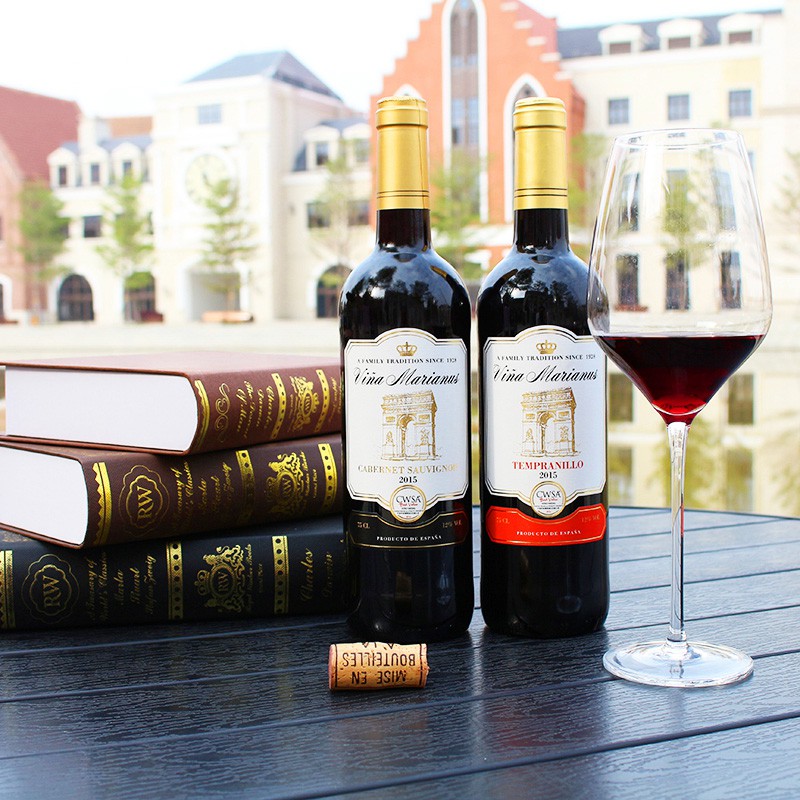
Main Regional Characteristics Comparison
Spain has numerous rosé wine regions, each with its unique terroir conditions and winemaking traditions. Let me use a table to compare the characteristics of several major regions:
| Region | Main Grape Varieties | Style Characteristics | Award Frequency |
|---|
| Rioja | Tempranillo | Elegant and delicate, rich fruit aromas | Extremely High |
| Navarra | Grenache | Fresh and lively, balanced acidity | Very High |
| Priorat | Garnacha | Strong minerality, complex structure | High |
| Castilla-La Mancha | Bobal | Rich fruit flavors, affordable pricing | Medium |
Secrets of Winemaking Process
The success of Spanish gold award rosé wines is largely attributed to their exquisite winemaking processes. The traditional “sangrado” technique allows grape juice to contact with skins for just the right amount of time, maintaining the beautiful pink color while extracting sufficient flavor compounds. Many award-winning wineries also employ low-temperature fermentation technology to ensure rosé wines maintain fresh fruit aromas and elegant mouthfeel.
Notably, some innovative wineries have recently begun experimenting with short-term aging in French oak barrels, a practice that adds more complexity and depth to rosé wines and is a key factor in many gold award rosé wines standing out from the competition.
Tasting Techniques and Pairing Recommendations
When tasting Spanish gold award rosé wines, I usually focus on several key points: the color should present an elegant pink or onion skin hue, as overly deep colors often indicate over-extraction. Regarding aroma, quality rosé wines will emit complex fragrances of red berries, flowers, and citrus fruits.
In terms of food pairing, the versatility of Spanish rosé wines is surprising. Whether it’s classic Spanish paella, Iberico ham, or simple grilled vegetables and fresh salads, perfect pairings can be found. My least recommended pairing is heavy-flavored braised meats, as they would mask the delicate flavors of rosé wine.
Purchasing Advice and Price Range
For friends trying Spanish rosé wine for the first time, I recommend starting with internationally gold award-winning mid-range wines. These wines typically range between 15-25 euros, offer guaranteed quality, and provide excellent value for money. If your budget allows, consider some premium winery limited edition rosé wines, such as Spanish gold award reserve red wines, which often represent the highest standards of Spanish rosé wines.
When purchasing, pay attention to vintage information on the label - rosé wines are best chosen from fresh vintages within 1-2 years to fully enjoy their fruit aromas and vitality. Additionally, avoid direct sunlight during storage, with optimal serving temperature being 8-10 degrees Celsius.
