Recently, I’ve noticed various Spanish red wines at local supermarkets, and the symbols on their labels can be quite overwhelming. As a Spanish red wine enthusiast, I spent considerable time researching the meaning behind these symbols. Today, I’d like to share this knowledge with fellow wine lovers who might be equally puzzled.
DO Certification: The Most Important Symbol
On Spanish wine labels, the DO certification symbol is the most crucial element to look for. This symbol represents Designation of Origin protection, similar to France’s AOC system. Wines bearing the DO symbol must use grapes from designated regions and follow traditional production methods. Common DO regions include Rioja and Ribera del Duero, all guaranteeing quality standards.
Vintage and Aging Classifications
Spanish wine aging classifications are equally important. Joven indicates young wine with minimal oak aging; Crianza requires at least 2 years aging with minimum 6 months in oak barrels; Reserva needs 3 years aging with at least 12 months in oak; Gran Reserva demands 5 years aging with minimum 18 months in oak barrels. These classifications directly impact both price and flavor profile.
| Aging Level | Total Aging | Oak Aging |
|---|
| Joven | No requirement | No requirement |
| Crianza | 2 years | 6 months |
| Reserva | 3 years | 12 months |
| Gran Reserva | 5 years | 18 months |
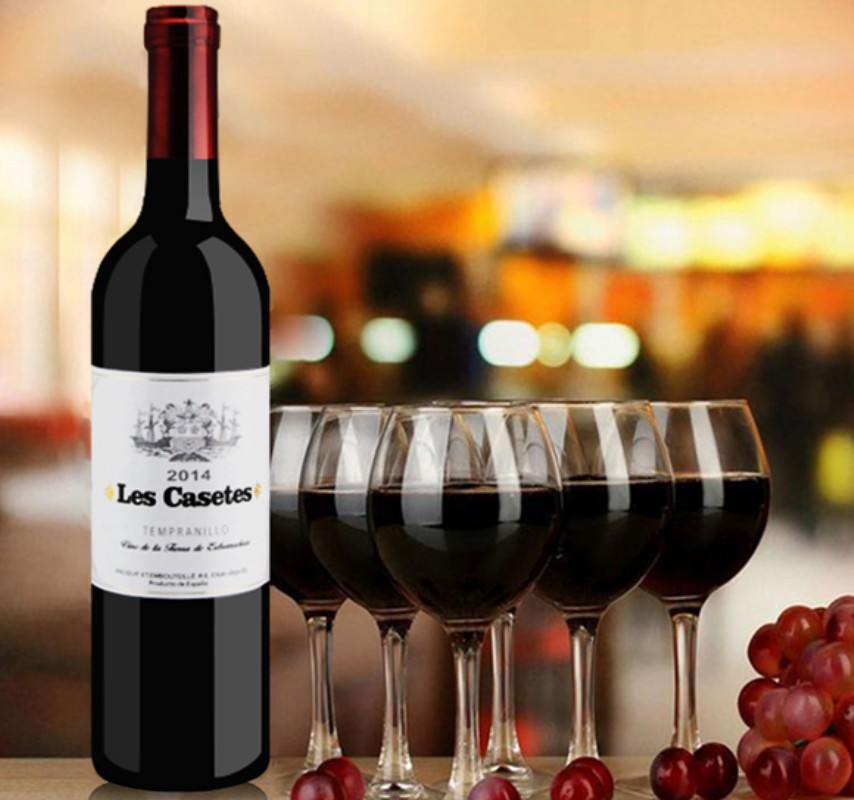
Alcohol content is typically displayed as “Vol. 13.5%”, with Spanish red wines generally ranging from 12%-15%. Grape variety information is also crucial, featuring native varieties like Tempranillo, Garnacha, and Monastrell, alongside international varieties such as Cabernet Sauvignon and Merlot.
Winery and Bottling Information
Labels also display winery names and bottling details. Some budget wines may only show brand names rather than specific wineries, typically indicating average quality. Legitimate estate wines clearly state “Embotellado en origen,” offering better quality assurance than wines bottled elsewhere. Additionally, if you see “Vino de la Tierra” on Spanish wine labels, this indicates regional wine status, with quality between table wine and DO certification.
When purchasing Spanish red wines, prioritize bottles with DO certification, clear aging classifications, and specific winery information. Price-wise, Crianza-level wines typically offer excellent value for daily consumption. I hope this information helps you make better choices when selecting Spanish red wines at the supermarket.
