The Encounter of Spanish Red Wine and Olives
On Spanish dining tables, the pairing of red wine and olives has become a traditional culture. This combination is not merely a gustatory pleasure, but carries the profound cultural heritage of the Mediterranean. Whether in Madrid’s small taverns or in Andalusia’s olive groves, this classic pairing always delivers the most authentic Spanish flavors.
Regional Characteristics and Variety Selection
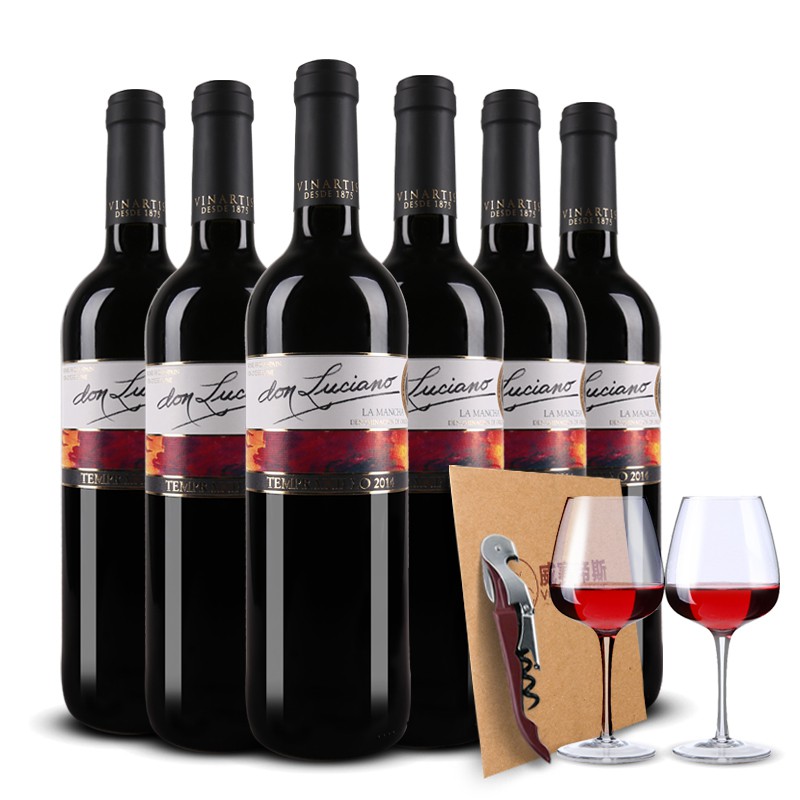
Spain boasts numerous premium red wine regions, with Rioja and Ribera del Duero being the most renowned. Rioja’s Tempranillo red wines are famous for their elegant tannins and complex aromas, while Ribera del Duero’s wines are more intense and profound. When pairing with olives, it’s recommended to choose medium-bodied red wines, which won’t overshadow the olives’ freshness while providing excellent balance.
Tasting Points and Pairing Techniques
Olive varieties are rich and diverse, from mild Arbequina to intense Picual, each with its unique flavor characteristics. During tasting, it’s recommended to first taste the olives, sensing their oil content and saltiness, then select corresponding red wine styles for pairing.
| Olive Variety | Recommended Red Wine Type | Pairing Characteristics |
|---|
| Arbequina | Light-bodied red wine | Fresh fruit aromas, balanced taste |
| Picual | Full-bodied red wine | Rich flavors, complex layers |
| Manzanilla | Medium-bodied red wine | Smooth taste, lingering finish |
Authentic Serving Methods
In Spain, red wine paired with olives typically appears as an olive and red wine pairing appetizer. The most traditional approach involves lightly marinating the olives with some herbs or lemon zest, then pairing with a glass of red wine cooled to approximately 18 degrees. This temperature best showcases the wine’s aromas while avoiding conflict with the olives’ oils.
Cultural Background and Heritage
This pairing method originated during Roman times, when Spanish people had already discovered the perfect harmony between red wine and olives. Today’s industrialized products found in supermarkets are far from matching the layered complexity of traditionally crafted olives. Many families still maintain the tradition of making homemade olives, which is not only a pursuit of taste but also a commitment to cultural preservation. Whether for gatherings with friends or family dinners, a carefully selected plate of olives paired with a quality bottle of red wine always creates the most heartwarming Spanish atmosphere.
