In-Depth Analysis of Spanish Red Wine Aging Potential
As a wine enthusiast who has lived in Spain for many years, I want to share some insights about the aging potential of Spanish red wines. Spain, as the world’s third-largest wine producer, boasts numerous red wines with excellent aging potential, but not all Spanish red wines are suitable for long-term storage.
Aging Performance of Major Regions
The Rioja region is undoubtedly the benchmark for aged Spanish red wines. Here, Spanish red wine aging Gran Reserva level red wines typically require at least 5 years of aging at the winery, and still possess 10-20 years of aging potential after release. I have tasted Rioja red wines from the 1970s that still maintained elegant fruit aromas and complex flavor layers.
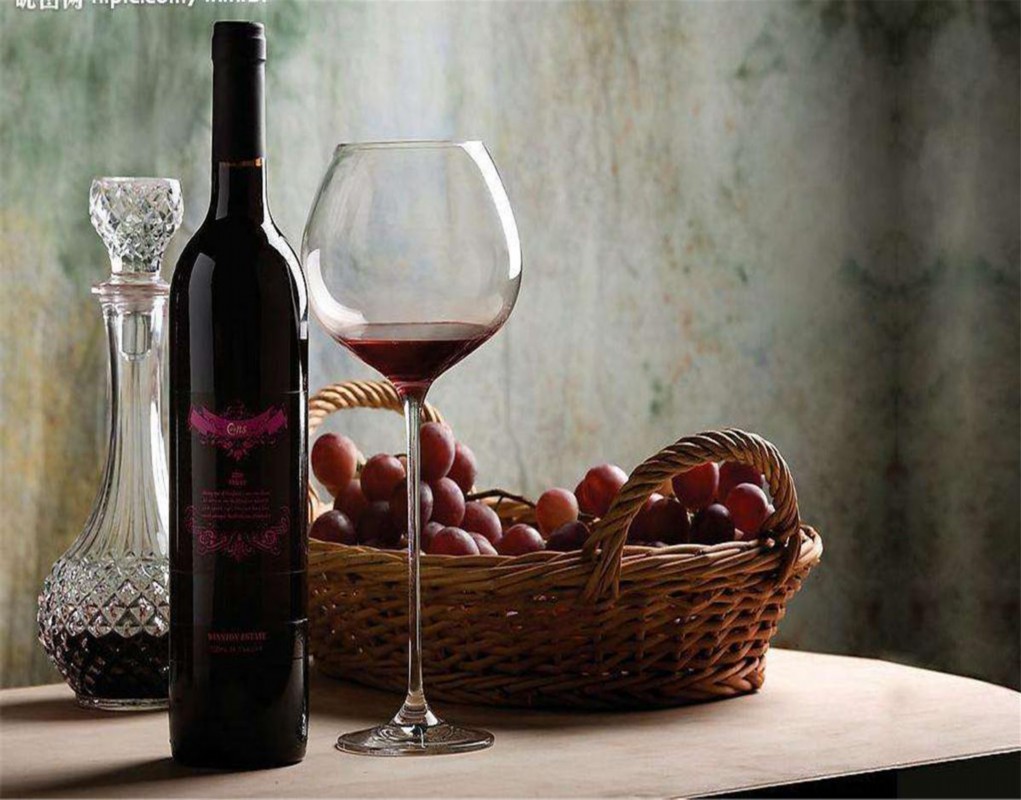
Red wines from the Ribera del Duero region also possess excellent aging capabilities. This region primarily uses Tempranillo grapes, combined with suitable climatic conditions, producing red wines with tight structure and abundant tannins, providing a solid foundation for long-term aging. Renowned wineries like Vega Sicilia produce premium wines that can age for over 30 years.
Grape Varieties and Their Aging Relationship
Different grape varieties show significant differences in aging potential:
| Grape Variety | Aging Potential | Optimal Aging Period |
|---|
| Tempranillo | Excellent | 5-15 years |
| Garnacha | Moderate | 3-8 years |
| Monastrell | Good | 4-12 years |
| Cariñena | Below Moderate | 2-6 years |
Tempranillo, as Spain’s signature variety, with its natural acidity and tannin structure makes it an ideal choice for aging. While Garnacha offers intense fruit aromas, its relatively low acidity limits its long-term aging capability.
The Importance of Storage Conditions
Even Spanish red wines with excellent aging potential will have significantly shortened drinking windows under improper storage conditions. Ideal storage temperature should be maintained between 12-14°C, with humidity controlled around 70%. When storing red wines in my Madrid basement, I discovered that temperature fluctuation is the main factor affecting aging quality.
Light control is equally crucial. Ultraviolet rays destroy organic compounds in red wine, leading to premature oxidation. Therefore, I recommend choosing light-free storage environments or using dark glass wine cabinets.
Purchasing Recommendations and Practical Experience
When selecting Spanish red wines with aging potential, I recommend focusing on several key aspects: First is regional reputation - red wines from traditional premium regions like Rioja, Priorat, and Ribera del Duero are typically more trustworthy. Second is the vintage factor - wines from excellent vintages often have better aging foundations.
While price is not the only standard, Spanish red wines with long-term aging potential typically command relatively higher prices, reflecting their production costs and quality standards. I recommend a budget range of 25-50 euros per bottle, as wines in this price segment usually possess 5-10 years of good aging potential.
