Recently while buying wine at supermarkets in Madrid, I noticed many friends were confused by the various numbers and letter codes on bottle labels. As a wine enthusiast who has lived in Spain for many years, today I’ll share knowledge about Spanish wine international codes, hoping to help everyone better select and understand every bottle we drink.
What are Wine International Codes
Spanish wine international codes are actually a complex coding system that mainly includes several important components. First is the DO certification code, which is the core identifier for Spain’s wine denomination of origin protection certification. Each winery with DO certification has a unique code, usually composed of letters and numbers, such as formats like “RIO-001-2023”.
Besides DO codes, there are also producer identification codes and batch traceability codes. Producer identification codes are usually printed at the bottom of wine labels or back labels, in formats like “ES-12345-CE”, where ES represents Spain, the middle numbers are the producer’s registration number, and CE indicates compliance with EU standards.
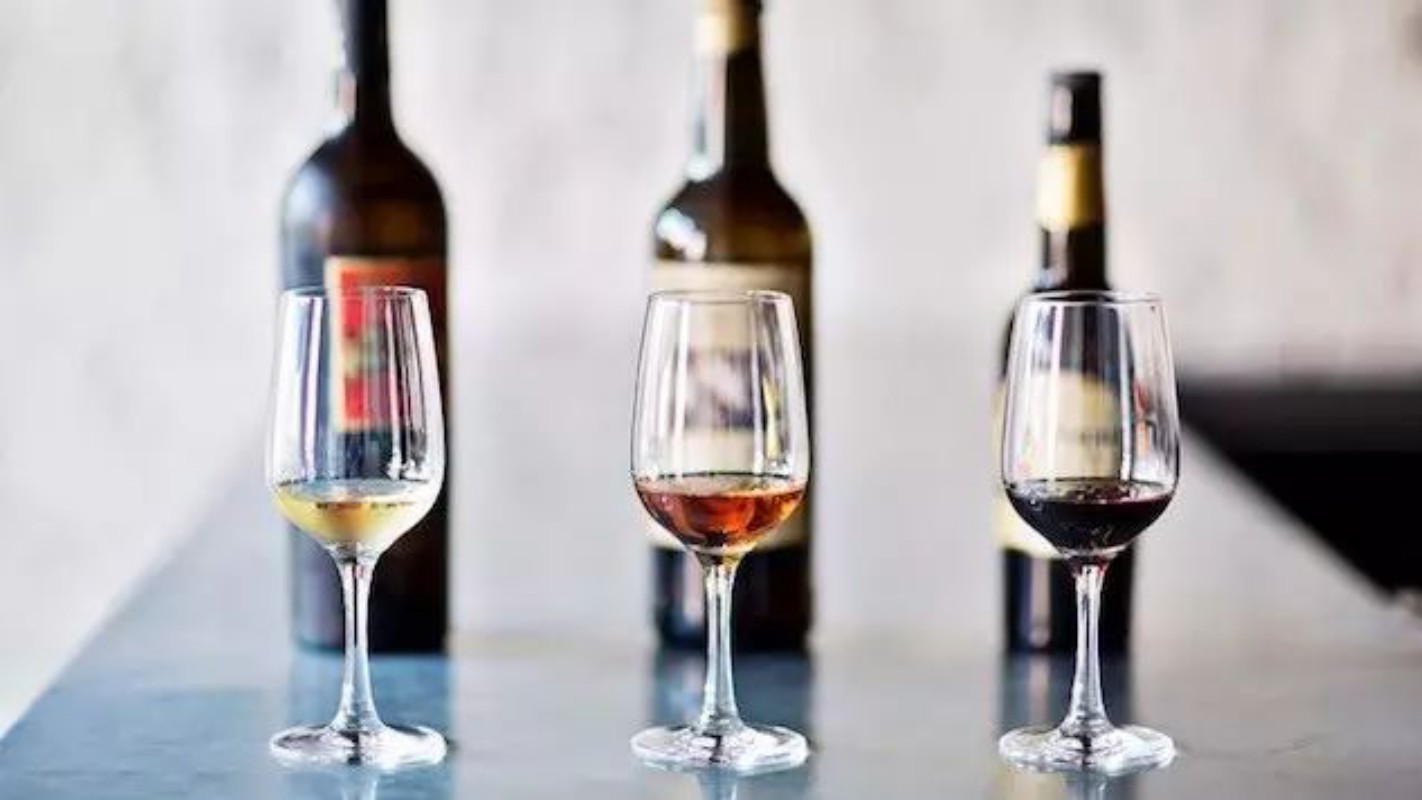
How to Read Label Codes
When actually purchasing, we most need to pay attention to the following types of codes. DO certification codes usually appear on small labels around the bottle neck, and these codes allow us to trace back to specific vineyard and vintage information.
| Code Type | Location | Format Example |
|---|
| DO Certification Code | Neck Label | RIO-001-2023 |
| Producer Code | Back Label Bottom | ES-12345-CE |
| Batch Code | Bottle Engraving | L230415 |
Batch traceability codes may look insignificant, but they contain important production information. For example, in “L230415”, L represents batch, 23 indicates 2023, 04 represents April, and 15 might indicate the 15th production batch of that month. Through this code, we can understand the freshness of wines through Spanish wine express delivery services.
Coding Characteristics of Different Regions
Spain’s various regions have slightly different coding systems. Rioja region codes usually start with “RIO”, while Ribera del Duero region uses “RIB” as a prefix. Catalonia’s Priorat region uses “PRI”, and these prefixes help us quickly identify wine origins.
It’s worth noting that some small wineries may use simplified coding systems. These codes might only contain vintage and batch information, but still have traceability value. When purchasing, it’s recommended to prioritize products with complete coding information, which usually indicates more regulated production processes.
Practical Verification Tips
To verify the authenticity of wine international codes, you can use several simple methods when selecting Spanish award-winning wines. First, check the print quality of codes - authentic codes are usually printed clearly without blurring or misalignment. Second, verification can be done through the official website of the Spanish Wine Control Board.
I recommend developing the habit of keeping purchase receipts. If you discover code abnormalities, you can contact retailers or directly report to relevant authorities. This not only protects your own interests but also maintains the reputation of the entire Spanish wine industry. I hope this information is useful to everyone, and welcome sharing any coding issues you encounter when selecting wines.
