As a wine enthusiast who has lived in Spain for many years, I’ve noticed that many friends aren’t familiar with the design characteristics of Spanish red wine bottles. Today I’d like to share some interesting details I’ve observed, hoping to help everyone better understand these exquisite bottles.
The Dominance of Classic Bordeaux Bottle Shape
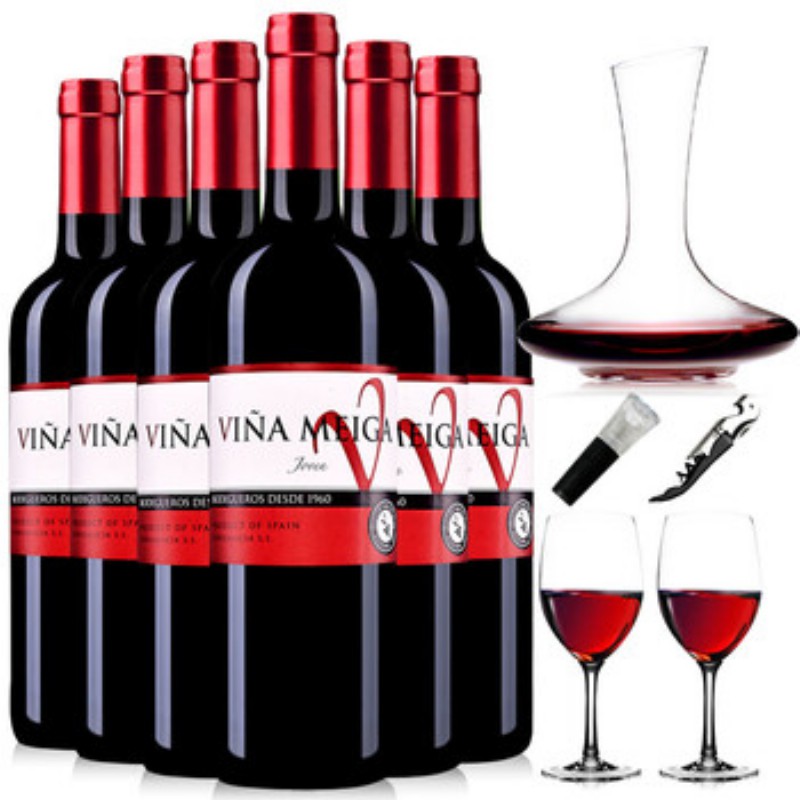
Most Spanish red wines adopt the Bordeaux bottle shape, which features distinct shoulders and a straight cylindrical form. Particularly in the Rioja region, red wines almost exclusively use this design. The bottles are usually quite heavy, giving a sense of stability. During my visits to local wineries, I learned about wine bottle making and discovered that this design is not only aesthetically pleasing but also better protects the wine from light exposure.
Regional Color Preferences
Different wine regions indeed have varying color preferences for their bottles. Based on my bottle collection, I can summarize the following patterns:
| Region | Primary Color | Characteristics |
|---|
| Rioja | Dark Green | Traditional Classic |
| Ribera del Duero | Dark Brown | Modern Feel |
| Priorat | Dark Green or Black | Heavy Presence |
| Catalonia | Diverse | Innovative Design |
Practical Considerations in Bottle Bottom Design
Spanish red wine bottles typically feature deep indentations at the bottom, known as “punt.” This design serves not just aesthetic purposes but more importantly collects sediment, making pouring cleaner. I’ve noticed that premium wines often have deeper indentations, which also reflects the wine’s quality grade.
Exquisite Details of Labels and Neck Design
Spanish red wines frequently feature metallic foil wrapping around the bottle neck, typically in gold or silver. Some special editions use copper or other unique colors. Label application is also meticulous, usually featuring both front and back labels, with the back label providing detailed information about the winery and winemaking process.
Modern Innovation Combined with Tradition
In recent years, some young wineries have begun experimenting with more creative bottle designs. I’ve seen bottles using frosted glass textures and special shaped designs. However, market acceptance of these innovative designs remains to be tested. Most consumers still prefer traditional classic designs, believing they better embody the historical heritage and quality assurance of Spanish red wines.
