The Three Pillars of Spanish Red Wine
As a wine enthusiast who has lived in Spain for many years, today I want to share with you the “three brothers” of Spanish red wine - Tempranillo, Garnacha, and Monastrell. These three varieties can be said to support half of Spain’s entire red wine industry, each with its unique personality and charm.
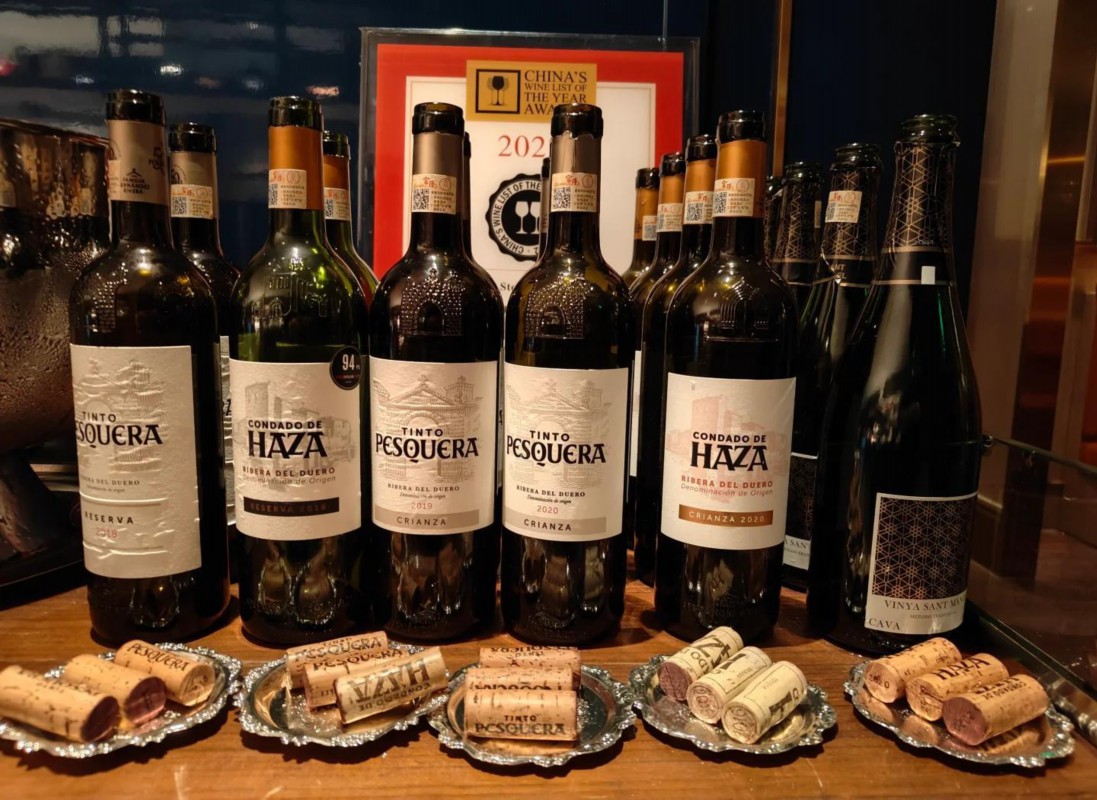
Tempranillo: The Elegant Elder Brother
Tempranillo is absolutely the flagship of Spanish red wine, especially in the Rioja and Ribera del Duero regions. The variety’s name comes from “temprano” because it ripens earlier than other varieties. Tempranillo wines typically have medium to full body, with aromas of cherry, plum, and vanilla, and after aging develop complex layers of leather and tobacco.
In terms of pricing, regular Tempranillo ranges from 8-15 euros, while top-tier Reserva and Gran Reserva may cost over 30 euros. I personally recommend Marqués de Riscal’s classic range, which offers excellent value for money.
Garnacha: The Passionate Middle Brother
Garnacha is a very interesting variety, particularly well-suited to Spain’s hot climate. Main production regions include Campo de Borja in Aragon and Priorat. This variety is characterized by typically high alcohol content and rich, concentrated flavors, with notes of red berries, blackberries, and peppery spices.
| Region | Price Range | Characteristics |
|---|
| Campo de Borja | 6-12€ | Fruit-forward, great value |
| Priorat | 20-50€ | Strong mineral character, high complexity |
| Terra Alta | 8-18€ | Well-balanced, suitable for daily drinking |
Monastrell: The Robust Youngest Brother
Monastrell is mainly concentrated in Murcia and Valencia regions. This variety is perhaps the most “wild” of the three brothers, with heavy body and strong tannin structure, requiring sufficient sunshine and heat to fully ripen. Successful Monastrell displays complex aromas of blackberries, licorice, and Mediterranean herbs.
Honestly though, pure Monastrell wines aren’t easy to handle - beginners might find them too heavy. I suggest starting with blends, such as Monastrell-Garnacha combinations which are well-balanced.
Pairing Suggestions and Purchasing Tips
These three brothers each perform differently at the table. Tempranillo pairs well with roasted lamb and Iberian ham, Garnacha goes perfectly with beef stew, while Monastrell is the ideal companion for barbecue. For gatherings, I usually prepare one bottle of each type, letting guests choose for themselves.
For purchasing channels, major supermarkets like El Corte Inglés and Carrefour offer good selections with transparent pricing. For more professional advice, I recommend visiting local vinotecas, where owners are usually happy to share their expertise. While online shopping is convenient, I still prefer the physical store experience.
The charm of Spanish red wine lies in this diversity - each region and variety has its own story. I hope this sharing helps friends who are exploring the world of Spanish wines!
