As a wine enthusiast who has lived in Spain for many years, today I want to share some insights about Royal Pope red wine. This wine holds a pivotal position in the Spanish wine industry, worthy of careful appreciation for both its historical heritage and quality performance.
Historical Background and Cultural Heritage
The name Royal Pope red wine itself is filled with legendary charm. According to historical records, the establishment of this brand was closely related to medieval religious culture. The winery owners at that time deliberately chose this name to express their respect for the Pope and the King. This naming approach was quite popular among Spanish aristocratic circles of that era, reflecting the society’s dual reverence for religious authority and royal power.
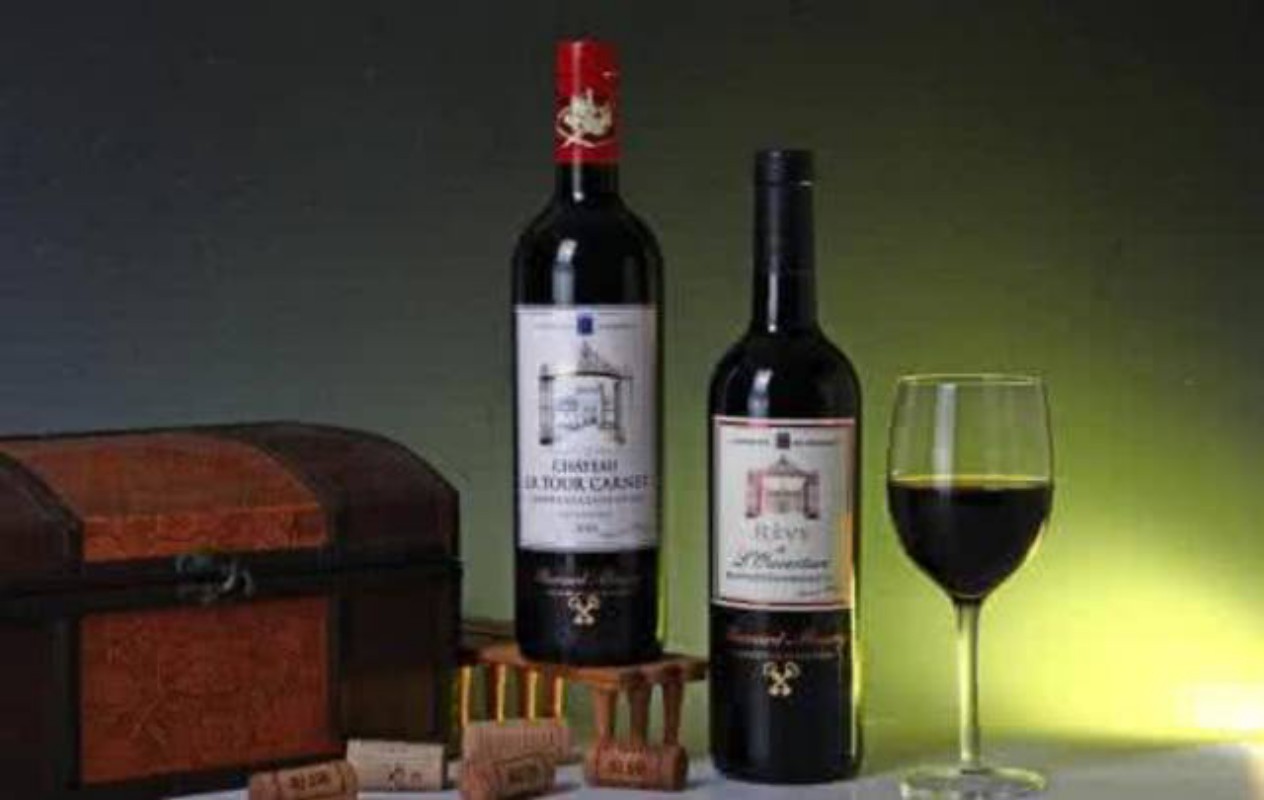
After centuries of heritage development, Royal Pope red wine has gradually formed its unique winemaking techniques and flavor characteristics. Modern wineries, while adopting more advanced production technologies, still maintain the essence of traditional craftsmanship. This philosophy of combining old and new allows this wine to maintain its competitive advantage in the market.
Grape Varieties and Winemaking Techniques
Royal Pope red wine primarily uses high-quality native Spanish grape varieties, with Tempranillo as the main ingredient. This grape performs excellently under Spain’s climatic conditions, fully showcasing intense fruit aromas and balanced tannins.
| Grape Variety | Percentage | Characteristics |
|---|
| Tempranillo | 70% | Rich fruit aroma, moderate tannins |
| Garnacha | 20% | Increases body fullness |
| Mazuelo | 10% | Enhances color depth |
During the winemaking process, the winery pays special attention to fermentation temperature control, typically maintained between 25-28 degrees Celsius. This temperature range maximally extracts pigments and flavor compounds from grape skins while avoiding bitterness from over-extraction. The oak barrel aging phase generally lasts 12-18 months, using a combination of French and American oak barrels to achieve richer aromatic complexity.
Tasting Characteristics and Pairing Suggestions
From a tasting perspective, Royal Pope red wine presents a deep ruby red color with good transparency. Regarding aroma, initial scents reveal obvious blackberry and cherry fruit notes, followed by vanilla and smoky nuances from oak barrels. On the palate, the wine body is medium to full, with good tannin structure that isn’t overly intense, though beginners might need some adjustment time, but overall it’s quite approachable.
For food pairing, this wine shows great versatility. Traditional Spanish roasted lamb and Iberian ham are classic matches, while modern choices include cheese platters and roasted vegetables. I personally recommend serving at 18-20 degrees Celsius, as this temperature best showcases the wine’s flavor characteristics.
As a wine enthusiast in Spain familiar with Pope DOC red wine, I believe Royal Pope red wine is an excellent entry point for understanding Spanish wine culture, especially when compared to Pope Paul red wine. It combines traditional heritage with modern quality assurance at a relatively reasonable price. I wonder if other friends have tried this wine - feel free to share your tasting experiences!
