Recently, at a small tavern in Madrid, I had the chance to taste an unforgettable Spanish red wine with rich chocolate aromas that still lingers in my memory. As a wine enthusiast who has lived in Spain for many years, I’d like to share some insights about Spanish chocolate-flavored red wines.
What is Chocolate-flavored Red Wine
Chocolate-flavored red wine doesn’t contain actual chocolate added during production. Instead, certain grape varieties naturally develop chocolate aromas under specific soil and climate conditions through oak barrel aging. This unique flavor primarily comes from the complex interaction between tannins in grapes and compounds like vanillin released from oak barrels. Spanish Tempranillo and Garnacha varieties are particularly known for displaying these captivating chocolate flavors.
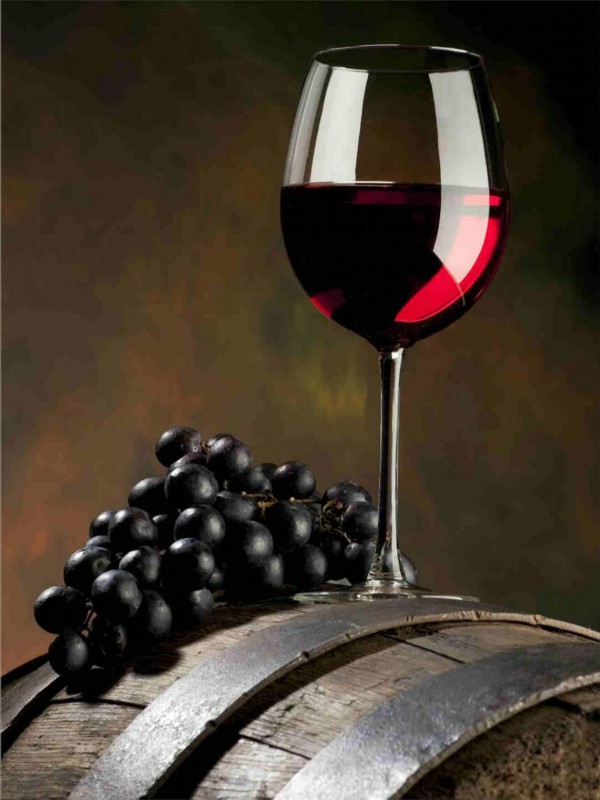
Main Production Regions in Spain
Spain boasts several premium regions producing chocolate-flavored red wines, each with distinctive terroir characteristics:
| Region | Main Varieties | Flavor Profile |
|---|
| Rioja | Tempranillo | Rich chocolate with vanilla notes |
| Ribera del Duero | Tempranillo | Deep chocolate with dark fruit aromas |
| Priorat | Garnacha, Cariñena | Mineral complexity with cocoa notes |
| Jumilla | Monastrell | Intense chocolate with spice flavors |
Rioja region’s chocolate-flavored red wines are the most classic, where Tempranillo grapes undergo extended aging in American oak barrels, creating a distinctive complex aroma of chocolate, vanilla, and coconut. Meanwhile, Ribera del Duero wines are more full-bodied with deeper, more intense chocolate flavors.
Tasting Tips and Pairing Suggestions
When tasting chocolate-flavored red wines, use large-bowled wine glasses to allow proper aeration. Decanting for 30-60 minutes after opening yields optimal results, allowing chocolate aromas to fully develop. The ideal serving temperature is 16-18°C - too cold masks the aromatics, while too warm emphasizes alcohol.
For food pairings, chocolate-flavored red wines break away from the traditional belief of only pairing with red meat, offering broader pairing possibilities. Beyond classic roasted lamb and Iberian ham, they excellently complement dark chocolate desserts, nuts, and certain rich cheeses. My personal favorite pairing is with quality Manchego cheese - the layered taste experience is truly extraordinary. For more detailed pairing guidance, check out this chocolate aroma wine tasting guide.
Purchasing and Storage Guidelines
When selecting chocolate-flavored red wines, pay attention to aging information on labels. Wines marked with “Crianza”, “Reserva”, or “Gran Reserva” typically display more pronounced chocolate flavors. Price-wise, mid-range bottles between 15-30 euros offer the best value, providing excellent quality without straining your budget.
Storage requires protection from light and consistent temperature, ideally 12-15°C. Without a professional wine cellar, a regular storage room works fine, just avoid direct sunlight and temperature fluctuations. Once opened, consume within 3-5 days, though vacuum stoppers can extend preservation time.
