During a recent visit to a winery in Madrid, I heard the guide mention the term VDM. After researching extensively, I finally understood its meaning. VDM is actually an important grade in Spain’s wine classification system, and today I’d like to share what I’ve learned about it.
Basic Meaning of VDM
VDM stands for Vino de Mesa, which literally translates to “table wine.” This represents the most basic level in Spain’s wine classification system, equivalent to France’s Vin de Table. It’s important to note that VDM-level wines typically don’t indicate specific regional information on their labels, only marking “Vino de España.”
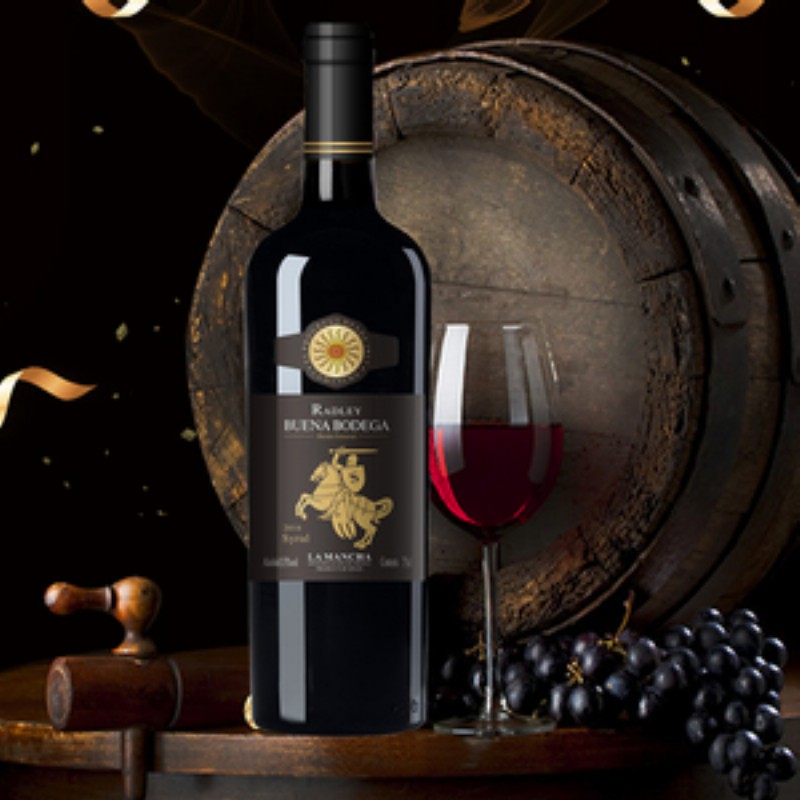
Complete Spanish Wine Classification System
To better understand VDM’s position within the entire system, I’ve organized a complete classification table for Spanish red wine VDM prices:
| Grade Abbreviation | Full Name | English Meaning | Quality Level |
|---|
| DOCa/DOQ | Denominación de Origen Calificada | Qualified Designation of Origin | Highest |
| DO | Denominación de Origen | Designation of Origin | High |
| VCIG | Vino de Calidad con Indicación Geográfica | Quality Wine with Geographic Indication | Medium-High |
| VDT | Vino de la Tierra | Regional Wine | Medium |
| VDM | Vino de Mesa | Table Wine | Basic |
From this table, we can see that VDM is indeed the most basic level. However, basic doesn’t necessarily mean poor quality; it simply means more relaxed requirements regarding regional identification and production standards.
Characteristics of VDM-Level Wines
VDM-level wines have several distinct characteristics. First, they are relatively affordable, typically ranging from 5-15 euros for decent options. Second, they have fewer regional restrictions, allowing winemakers to blend grapes from different regions, giving them greater flexibility.
VDM-level wines also tend to have simpler packaging and marketing compared to DO or DOCa levels, without the complex regional stories and historical backgrounds. For daily consumption, this level of wine often offers excellent value for money.
Recommendations for Purchasing VDM Wines
Living in Spain for several years, I’ve discovered some tips for selecting VDM-level wines. First, consider the winery’s reputation - some renowned large wineries maintain excellent quality control even for their basic-level products.
Second, pay attention to grape varieties. VDM-level red wines made from Spanish native varieties like Tempranillo and Garnacha usually perform quite well. Finally, note the vintage - VDM-level wines are generally recommended for consumption within 2-3 years and are not suitable for long-term aging.
While VDM represents the basic level in Spanish wine classification, it doesn’t indicate poor quality. For VDM Blue Lion red wine daily dining pairings and beginners, this level of wine is both economical and accessible, definitely worth trying.
