Recently, I visited several professional wineries in Madrid and discovered that the Pago wine series is truly a gem in the Spanish wine world. As a wine enthusiast who has lived in Spain for five years, I’d like to share my insights about Pago wines today.
What is the Pago Wine Series
Pago means “estate” in Spanish, and this series represents Spain’s highest grade of single-estate wines. Pago wines must come from the same plot of land, using grapes grown on that estate, and be vinified on the premises. This strict terroir control ensures that each bottle of Pago wine perfectly expresses the local characteristics. Currently, there are approximately 20 officially certified Pago estates in Spain, each with unique geographical locations and climate conditions.
Main Pago Wine Regional Distribution
Pago wines from different regions each have distinct characteristics. Here’s a breakdown of several major regions:
| Region | Main Grape Varieties | Flavor Profile | Price Range |
|---|
| Castilla-La Mancha | Tempranillo, Cabernet Sauvignon | Rich fruit, soft tannins | 25-60 |
| Valencia | Bobal, Mourvedre | Fresh acidity, prominent floral notes | 20-45 |
| Navarra | Garnacha, Tempranillo | Well-balanced, distinct minerality | 30-80 |
| Murcia | Monastrell | Full-bodied, intense spice | 35-75 |
How to Select Quality Pago Wines
When choosing Pago wines, I typically focus on several key factors. First is the vintage - generally, Pago wines from 2018-2020 are currently at their optimal drinking period. Next, consider the estate’s reputation; renowned estates like Dominio de Valdepusa and Finca Élez typically offer more reliable quality assurance.
Packaging details are also important - authentic Pago wines will have official certification marks on the bottle, with detailed and [Pago Spanish wine classification] beautifully printed labels. Additionally, cork quality reflects the winery’s commitment to quality. Purchasing from professional wine merchants rather than regular supermarkets better ensures authenticity and proper storage conditions.
Proper Pago Wine Tasting Methods
Tasting Pago wines requires certain techniques. Opening and drinking immediately actually wastes good wine. I recommend opening bottles 1-2 hours in advance to allow proper aeration. When tasting, first observe the color - quality Pago wines have deep, lustrous hues; then smell the aromas, which should reveal fruit, oak, and subtle spice notes.
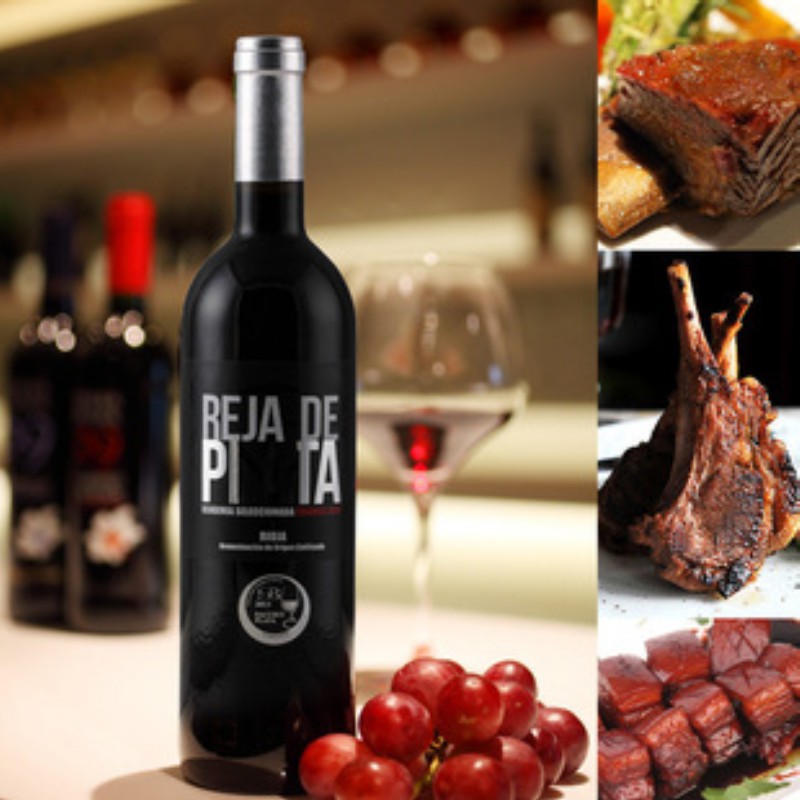
After tasting, let the wine linger in your mouth for several seconds to experience the balance of acidity, tannins, and body. Truly great wines will have a long, memorable finish. For food pairing, Pago wines are particularly suited to grilled lamb, Iberian ham, or aged cheeses.
Pago wines represent the pinnacle of Spanish winemaking. While relatively expensive, they offer exceptional value. For those interested in Pago wine prices and wanting to explore Spanish wine culture deeply, the Pago series is an unmissable choice. I suggest starting with lower-priced estates and gradually developing your tasting skills.
