Recently I’ve been following wine recommendations and discovered particularly insightful coverage of Spanish wines. As a wine enthusiast living in Spain for many years, I’d like to share some field experiences and insights about Spanish red wine regions.
Rioja: The Crown Jewel of Spanish Red Wine
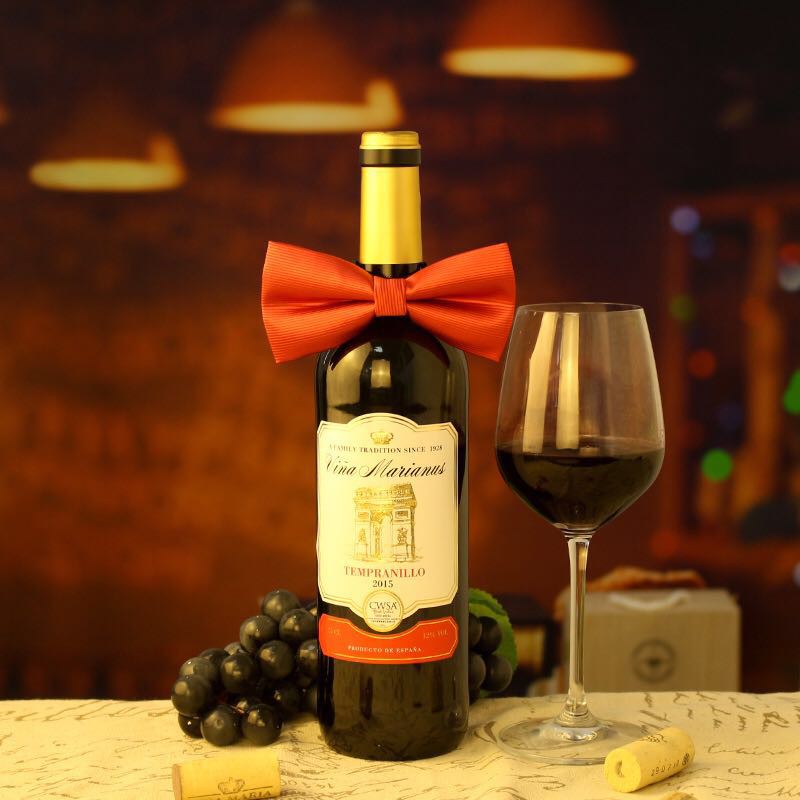
Rioja is undoubtedly Spain’s most prestigious red wine region, frequently highlighted in wine literature. This northern Spanish region primarily uses Tempranillo grapes, producing red wines with elegant tannin structure and deep cherry red hues. Rioja’s classification system is quite strict, from young Joven wines to aged Gran Reserva, each level offers unique charm.
The Modern Rise of Ribera del Duero
If Rioja represents tradition, then Ribera del Duero epitomizes modern Spanish winemaking. Wineries here employ more contemporary techniques, producing wines with concentrated, intense styles. Vega Sicilia winery is hailed as Spain’s “wine king,” with its Único series enjoying exceptional international reputation. Local Tempranillo grapes are called Tinto Fino here, showcasing characteristics completely different from Rioja.
| Regional Comparison | Rioja | Ribera del Duero |
|---|
| Main Varieties | Tempranillo, Garnacha | Tempranillo |
| Winemaking Style | Traditional oak aging | Modern techniques combined |
| Wine Characteristics | Elegant balance | Rich concentration |
| Representative Wineries | Marqués de Riscal | Vega Sicilia |
The Unique Charm of Priorat
Priorat region wines have been specially recommended for their distinctive slate soils—I mean Llicorella soils. This Catalonian region is famous for its unique soil composition of quartz and slate, imparting distinctive mineral qualities to the wines. Garnacha and Cariñena are the stars here, creating red wines with remarkable complexity and aging potential.
Wine Selection Tips and Pairings
For those beginning to explore Spanish red wines, I suggest starting with Rioja Crianza level wines. These typically age in oak barrels for at least one year, offering balanced, approachable flavors. They pair excellently with traditional Spanish dishes like roasted lamb or Iberian ham. For those wanting modern styles, young Ribera del Duero reds are excellent choices, with their intense fruit aromas and rich tannin structure leaving lasting impressions.
Finally, a key point often emphasized when recommending Spanish reds: understanding regional terroir is crucial for wine appreciation. Every Spanish red wine carries the unique climate, soil, and winemaking traditions of its origin, which is precisely what makes Spanish mulled wine Spanish wines so captivating. I hope these insights help everyone better understand and appreciate Spanish red wine diversity.
