Recently, I discovered an interesting wine at a local wine merchant - Kelis, a product from a small Spanish local winery that left a deep impression on me. As a wine enthusiast who has lived in Spain for many years, like those exploring Salis wine, I would like to share my tasting notes of this wine today.
Winery Background and Regional Characteristics
Kelis Winery is located in central Spain, where the climate conditions are perfect for grape cultivation. Although the winery is not large in scale, it adheres to a winemaking philosophy that combines traditional craftsmanship with modern technology. They mainly cultivate Tempranillo and Garnacha varieties, which are the most representative indigenous grape varieties of Spain.
Tasting Experience Analysis
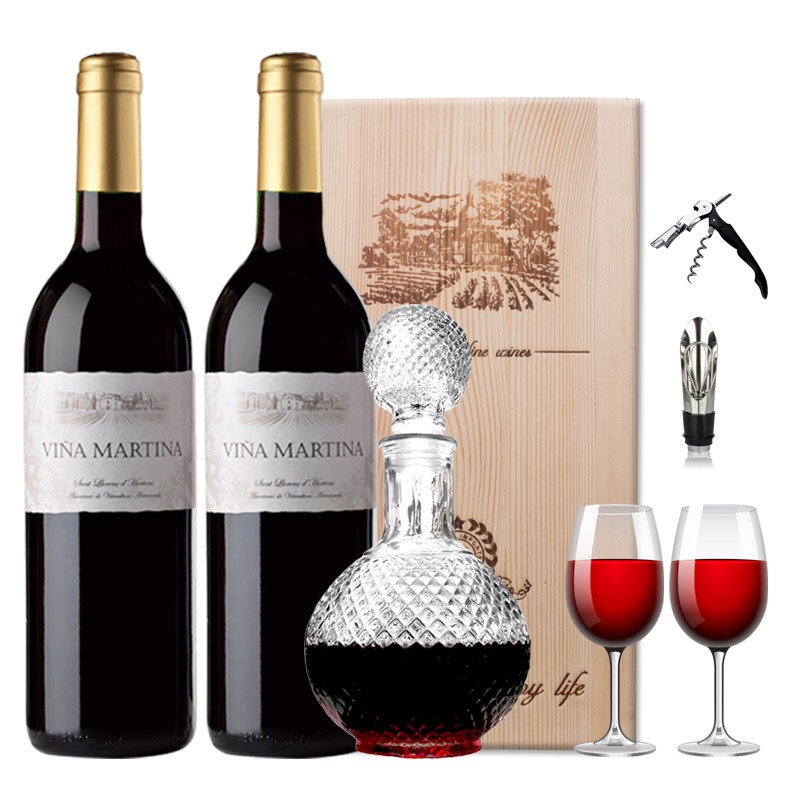
This Kelis red wine presents a deep ruby red color with obvious legs. After opening, it needs about 30 minutes of decanting for the aromas to fully develop. Initially, there are blackberry and cherry fruit aromas, followed by subtle oak barrel notes and spice nuances. The palate shows moderate tannins, balanced acidity, and a long finish, with an overall excellent performance.
| Evaluation Item | Score | Notes |
|---|
| Color | 8 | Deep ruby red |
| Aroma | 7 | Prominent fruit, rich layers |
| Palate | 8 | Well-balanced, smooth tannins |
| Finish | 7 | Medium to long |
| Value | 9 | Reasonable price, excellent quality |
Food Pairing Suggestions and Storage Methods
Based on my actual trials, this wine pairs excellently with roasted lamb, Iberian ham, and other traditional Spanish delicacies. Cheese platters are also an excellent choice, especially Manchego cheese - the pairing is simply perfect. The recommended serving temperature is 16-18 degrees Celsius, which better showcases the wine’s complexity.
Regarding storage, it’s recommended to keep it in a cool, dry place away from direct sunlight. For opened bottles, use a vacuum pump and refrigerate - this generally maintains optimal condition for 3-5 days. This wine has good aging potential and, if properly stored, can continue developing for 2-3 more years.
