Rioja Wine Tasting Guide
During a recent visit to a traditional winery in Madrid, I was deeply captivated by the charm of Rioja wines. As one of Spain’s most renowned wine regions, Rioja is famous worldwide for its unique traditional winemaking techniques and rich flavor complexity. Today I’d like to share some insights about traditional Rioja red wines.
Tempranillo: The Soul of Rioja
Tempranillo is undoubtedly the star variety of the Rioja region, accounting for over 70% of the area’s red wine production. This grape performs excellently in Rioja’s limestone soils, producing red wines with typically medium body, smooth tannins, and balanced acidity. When tasting, you can experience the fruit aromas of cherry and plum, and after aging, it develops complex aromas of leather, tobacco, and vanilla.
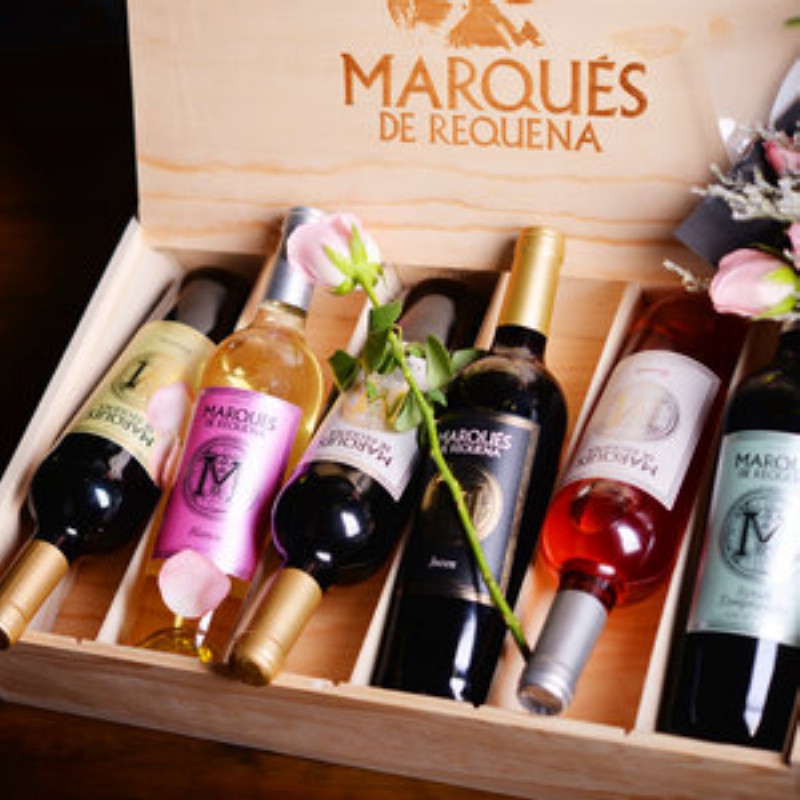
The Charm of Traditional Winemaking
The Rioja region still maintains traditional winemaking methods today, with many wineries continuing to use American oak barrels for aging. This practice gives Rioja red wines their distinctive vanilla and coconut aromas, distinguishing them from other regions using French oak barrels. Based on aging time, Rioja red wines are classified into the following grades:
| Grade | Aging Time | Characteristics |
|---|
| Joven | No aging requirement | Young and fruity |
| Crianza | Minimum 2 years | Balanced fruit and oak |
| Reserva | Minimum 3 years | Complex and layered |
| Gran Reserva | Minimum 5 years | Elegant and mature |
Garnacha: The Perfect Supporting Actor
While Tempranillo is the protagonist, we cannot overlook the important role of Garnacha in Rioja blends. Garnacha brings higher alcohol content and richer fruit flavors to the wine, especially in hot vintages, where it balances Tempranillo’s acidity well and adds fullness to the body.
Tasting Recommendations and Food Pairings
When tasting Rioja red wines, it’s recommended to serve them at 16-18°C. After opening, let the wine breathe for 30 minutes to 1 hour to allow the aromas to fully develop. For food pairings, Rioja red wines are perfectly matched with traditional Spanish dishes, especially roasted lamb, Iberian ham, and Manchego cheese.
Rioja traditional red wines carry centuries of winemaking wisdom, with each bottle telling the story of this land. Whether you’re a beginner or a seasoned enthusiast, you can find your own inspiration in the world of Rioja wines. Next time you have the opportunity, consider choosing a Reserva-level Rioja wine and take time to savor this precious gift from Spanish soil.
