Discovering Toro DO Regional Red Wine
Recently, I stumbled upon several red wines from the Toro DO region at a specialized wine shop in Madrid. As someone quite interested in Spanish native wines, I decided to purchase a few bottles to taste at home. After several weeks of tasting experiences, I’d like to share insights about this relatively niche but excellent quality region.
Toro DO is located in the Castile and León region. Although not as famous as Rioja, its unique terroir conditions create a distinctive wine style.
Regional Characteristics and Terroir Conditions
The most distinctive feature of the Toro region is that the Tempranillo grapes grown here have undergone hundreds of years of local adaptation, forming unique genetic characteristics. The climate conditions here are quite harsh, with extremely hot and dry summers, cold winters, and significant day-night temperature variations.
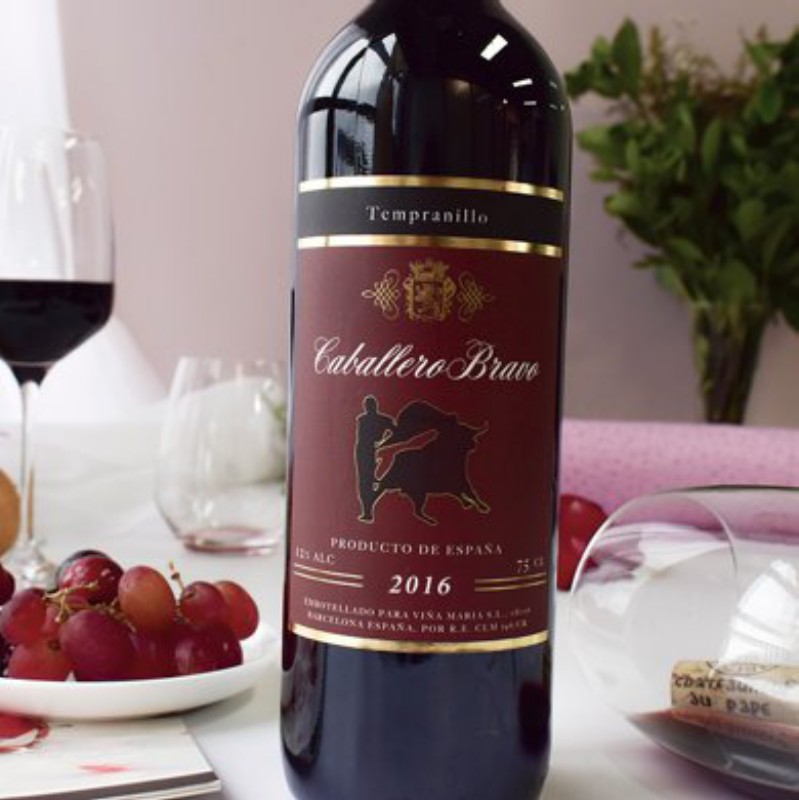
The soil consists mainly of sand and clay with good drainage, requiring grape roots to grow deep to obtain water and nutrients. This harsh environment actually creates highly concentrated grape fruits, producing red wines that typically have deep colors and powerful tannin structures.
Tasting Experience Records
Among the several Toro red wines I tasted, the most impressive was a 2019 vintage estate wine. Upon opening, I immediately noticed intense black fruit aromas accompanied by vanilla and toasted bread notes.
| Tasting Element | Specific Performance | Rating |
|---|
| Color | Deep purple-red, almost opaque | 9/10 |
| Aroma | Blackberry, plum, vanilla, coffee beans | 8/10 |
| Palate | Full-bodied, powerful tannins but not rough | 8/10 |
| Finish | Persistent with mineral notes | 9/10 |
This wine reached 14.5% alcohol content but didn’t feel overly heavy. However, it’s worth noting that this wine style isn’t suitable for everyone, especially those accustomed to lighter, softer red wines may need an adaptation period when exploring D05 Wine Company offerings.
Food Pairing Suggestions and Storage
The powerful characteristics of Toro red wine make it an excellent choice for pairing with red meat dishes. I’ve tried pairing it with roasted lamb and Iberian ham, with excellent results in both cases. The tannins in the wine effectively balance the richness of meat, while the intense fruit flavors aren’t overwhelmed by strong meat aromas.
Regarding storage, these red wines typically have good aging potential. I consulted wine merchants who suggested they can be stored for 5-8 years in constant temperatures of 16-18°C, with some premium bottles capable of aging even longer.
Purchasing Recommendations and Price Range
In the Spanish domestic market, Toro DO red wines are reasonably priced. Entry-level estate wines range from approximately 8-15 euros, mid to high-end products typically cost 20-40 euros, while some boutique winery limited editions may reach over 50 euros, as detailed in our comprehensive Spanish Red Wine Price analysis.
I recommend first-time tasters start with moderately priced estate wines to understand the region’s basic style characteristics, then select higher-end products based on personal preferences. When purchasing, pay attention to vintage and winery information, as traditional wineries with longer establishment histories typically offer more reliable quality.
