During a recent visit to a winery in Madrid, I stumbled upon a fascinating phenomenon—many traditional Spanish wineries favor using palm symbols as their wine logo design. Behind this seemingly simple symbol lies profound cultural significance and historical heritage.
Historical Origins of the Palm Symbol
In Spanish winemaking tradition, the palm symbol represents the winemaker’s craftsmanship and commitment to quality. As early as the medieval period, many family wineries began using this emblem to signify that their wines were carefully handcrafted. This tradition continues to this day, becoming an integral part of Spanish wine culture.
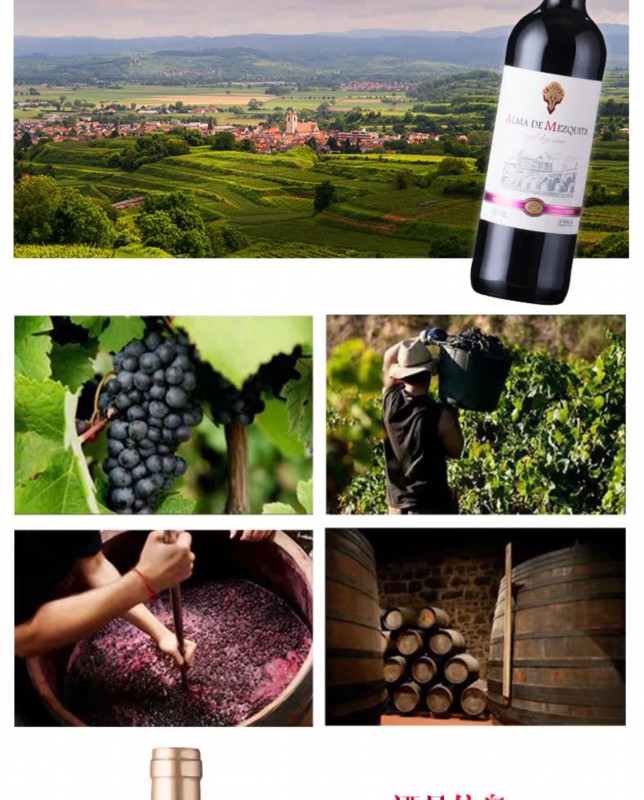
Major Palm Logo Winery Brands
Currently in the Spanish market, several renowned wineries still maintain the palm symbol as their brand identity. The most famous include several century-old establishments in the Rioja region, as well as boutique wineries in Andalusia that embrace the wine knight logo tradition. These wineries share the common characteristic of adhering to traditional winemaking techniques, paying attention to every detail of manual operation.
| Region | Signature Variety | Price Range |
|---|
| Rioja | Tempranillo | 15-50 euros |
| Ribera del Duero | Tempranillo | 20-80 euros |
| Andalusia | Blends | 12-35 euros |
Tasting Techniques and Purchase Recommendations
When selecting Spanish red wines with palm logos, focus on the vintage and regional information on the label. Generally speaking, wines bearing such traditional emblems tend to have more consistent quality, as the wineries behind them usually have long winemaking histories and mature techniques. During tasting, first observe the wine’s color intensity, then gently swirl the glass to experience the layered changes in aroma.
When tasting, pay attention to the wine’s balance. Quality Spanish red wines typically feature overly prominent tannins smooth tannins and lasting fruit aromas. For food pairing, these wines work best with traditional Spanish cuisine, such as Iberian ham, roasted lamb, or cheese platters.
Investment Value Analysis
From an investment and collection perspective, Spanish red wines bearing traditional palm logos do possess certain appreciation potential. Particularly limited-production vintage bottles, due to their unique cultural value and rarity, often achieve favorable prices in secondary markets. However, as regular consumers, it’s still recommended to prioritize drinking over collecting, as this truly allows you to experience the charm of Spanish wines.
