During a recent visit to a winery in Madrid, I stumbled upon a wine series called “Mosaic,” a name that immediately captured my attention. After thorough research into Marseille red wine, I discovered that this type of wine indeed holds a unique position and charm in Spain.
What is Mosaic Wine
Mosaic wine doesn’t refer to a single brand, but rather embodies a winemaking philosophy. Just as mosaic art combines different colored pieces to create beautiful patterns, this type of wine creates complex, layered flavors by blending different grape varieties and juices from various regions. In Spain, this winemaking approach is called “blend” or “coupage”.
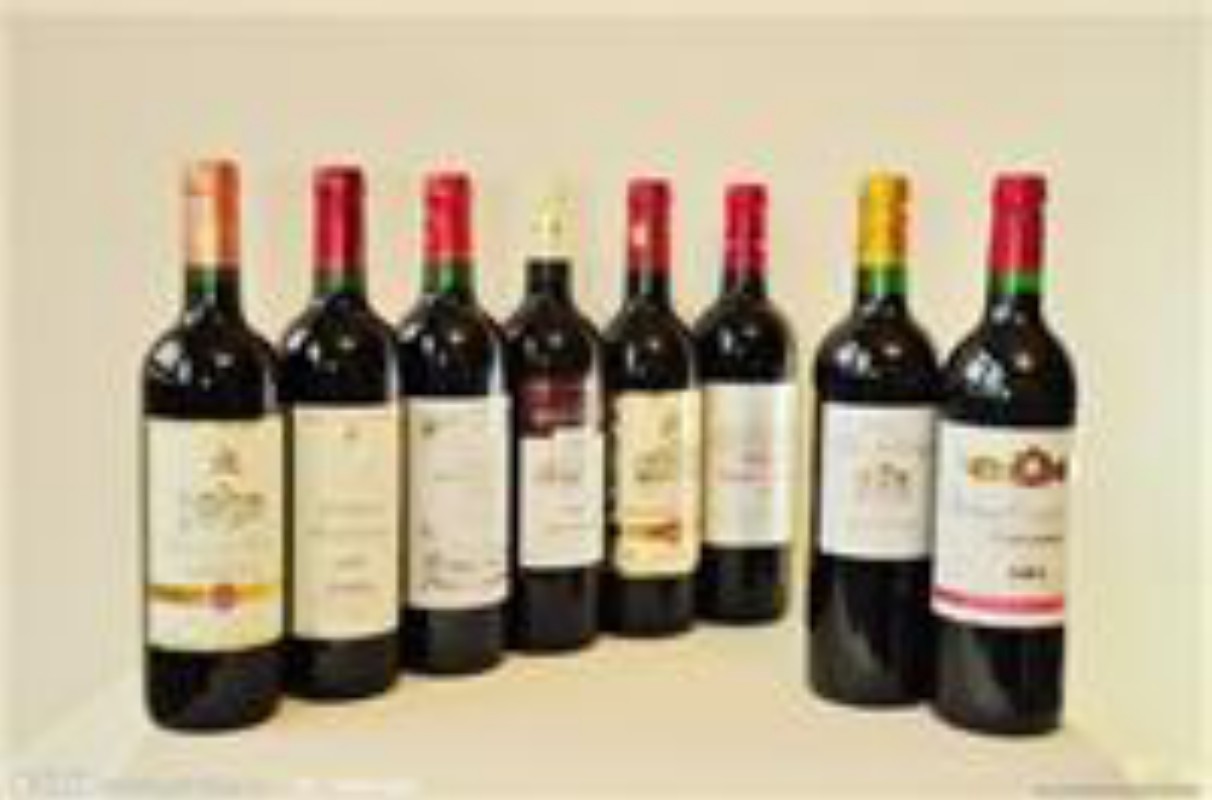
Main Regional Distribution
Spanish mosaic wines are primarily distributed across several important regions:
| Region Name | Main Grape Varieties | Characteristic Flavors |
|---|
| Rioja | Tempranillo, Garnacha | Rich fruit aromas, soft tannins |
| Ribera del Duero | Tempranillo | Firm structure, strong aging potential |
| Priorat | Garnacha, Cariñena | Strong mineral notes, full-bodied |
| Montsant | Monastrell | Elegant and refined, balanced acidity |
Tasting Techniques and Characteristics
When tasting mosaic wines, I usually focus on several key aspects. First is color observation - quality mosaic wines typically display a deep ruby red color, with good transparency but not overly clear. After swirling, the wine “tears” formed on the glass walls should flow down slowly, indicating moderate alcohol content and substantial body.
The aromatic aspect is truly the essence of mosaic wines. Initially, you can perceive fresh red fruit aromas like cherry and strawberry; as decanting time extends, complex aromas of spices, tobacco, and even chocolate gradually emerge. Some people think all Spanish wines are heavy, but mosaic wines perfectly demonstrate Spanish winemakers’ exquisite craftsmanship.
Food Pairing Recommendations
Based on my practical experience, mosaic wines offer quite versatile food pairings. Light-bodied mosaic wines pair well with roasted chicken, pasta, or soft cheeses, while fuller-bodied versions perfectly complement roasted lamb, aged hard cheeses, or dark chocolate desserts.
Particularly noteworthy is how these wines pair flawlessly with traditional Spanish cuisine. Whether it’s classic paella, Iberian ham, or braised oxtail, mosaic wines effectively balance the richness of foods while enhancing the overall dining experience.
For those new to Spanish wines, I recommend starting with moderately-priced mosaic wines. They’re typically more approachable than single-varietal wines while still allowing you to experience the unique charm of Spanish wines. Have you had similar wine tasting experiences? I’d love to hear your thoughts!
