Spain’s Natural Advantages for Red Wine
During a recent visit to a local winery, I suddenly realized that Spain’s position as the world’s third-largest wine producer is no coincidence. Every inch of soil on this land, every ray of sunshine, creates perfect conditions for producing exceptional red wine.
Exceptional Geographic Location
Spain is located on the Iberian Peninsula in southwestern Europe, boasting diverse topography and landscapes. From the Bay of Biscay in the north to the Mediterranean coast in the south, from the central plateau to the eastern coastal plains, this geographic diversity provides ideal growing environments for different grape varieties. The central plateau region, with its moderate altitude and significant day-night temperature variations, is particularly beneficial for sugar accumulation and acidity retention in grapes, making it perfect for Spanish red wine production.
Perfect Climate Conditions
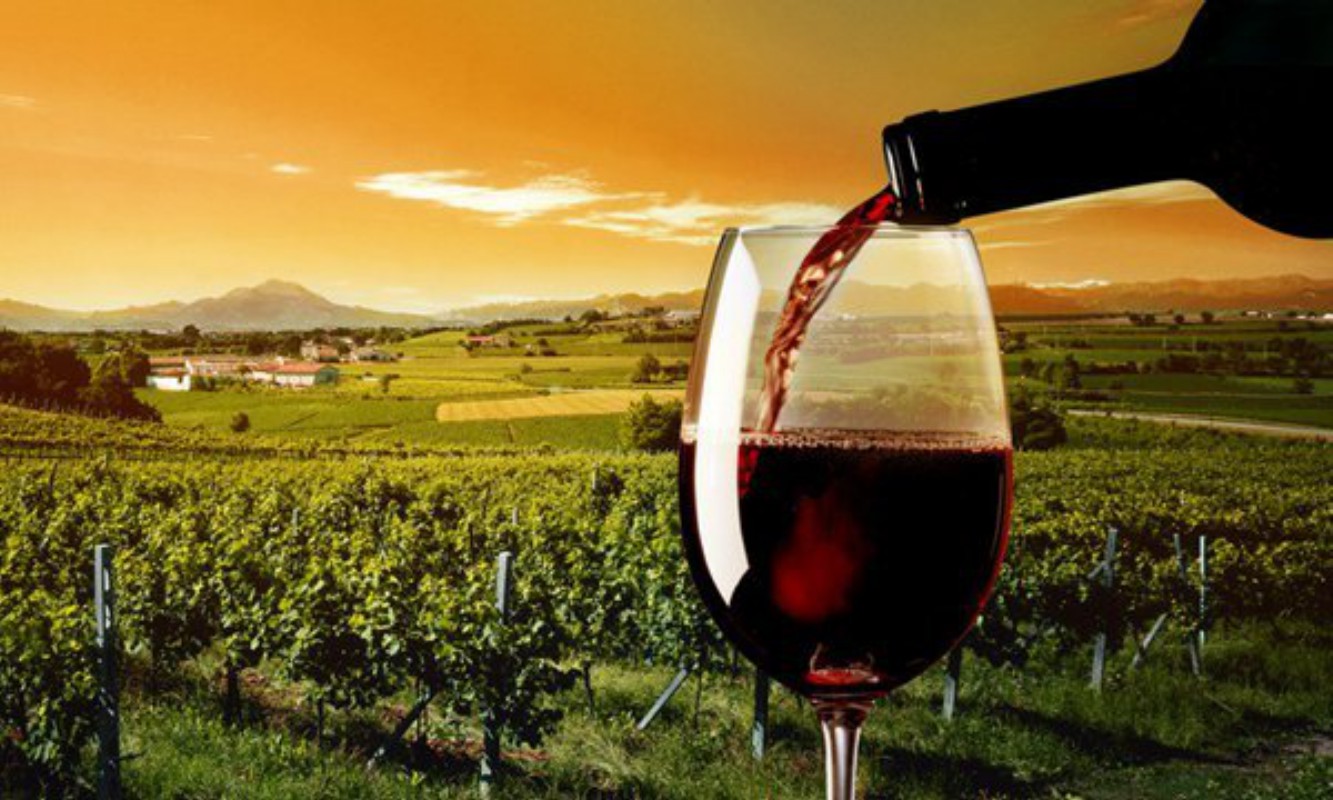
Spain’s climate can be described as a golden combination for grape cultivation. The Mediterranean climate brings warm, dry summers and mild, humid winters - a weather pattern that allows grapes to ripen fully while avoiding excessive moisture that could cause disease. Meanwhile, the continental climate of inland regions provides greater day-night temperature differences, which is crucial for producing complex red wines.
| Region | Climate Type | Main Characteristics |
|---|
| Rioja | Continental Climate | Large day-night temperature variation, preserves acidity |
| Ribera del Duero | Semi-arid Climate | Abundant sunshine, high grape concentration |
| Catalonia | Mediterranean Climate | Mild and humid, suitable for diverse varieties |
Diverse Soil Types
Spain’s soil composition is extremely complex and diverse, providing rich options for cultivating different grape varieties. Limestone soils impart elegant mineral characteristics to wines, clay soils retain water well in arid areas, while sandy soils encourage deep root penetration, enhancing grape resilience. This soil diversity gives Spanish wines their rich, layered flavor profiles.
Uniqueness of Native Grape Varieties
Tempranillo, as Spain’s “national treasure” grape variety, has perfectly adapted to local climate and soil conditions. This variety has thick skin and deep color with excellent tannin structure, producing red wines that are both sufficiently intense and elegantly balanced. Besides Tempranillo, native varieties like Garnacha and Monastrell each have their own distinctive characteristics, contributing significantly to Spanish red wine diversity.
After centuries of development, Spain has established a mature wine industry system. From traditional oak barrel aging techniques to modern winemaking technology, from strict Denomination of Origin controls to international marketing, all these factors have secured Spanish red wine’s important position on the world stage. For those of us living in Spain, being able to taste such high-quality local red wines is truly a blessing.
