How to Distinguish Spanish Red Wine Categories
As a major wine-producing country in Europe, Spain boasts a rich diversity of red wine categories. For beginners, understanding the classification methods of Spanish red wine categories is crucial for making informed purchasing decisions.
Classification by Region
Spain’s most renowned red wine regions include Rioja, Ribera del Duero, and Toro. The Rioja region primarily uses Tempranillo grapes, producing elegant red wines with vanilla and oak aromas. Red wines from the Ribera del Duero region are more concentrated and full-bodied, with strong tannins suitable for aging.
Classification by Quality Grade System
Spanish red wines are classified into four grades based on aging time and quality standards:
| Grade | Aging Requirement | Characteristics |
|---|
| Joven | No aging requirement | Fruity, best enjoyed young |
| Crianza | Minimum 24 months | Well-balanced with oak notes |
| Reserva | Minimum 36 months | High complexity, rich palate |
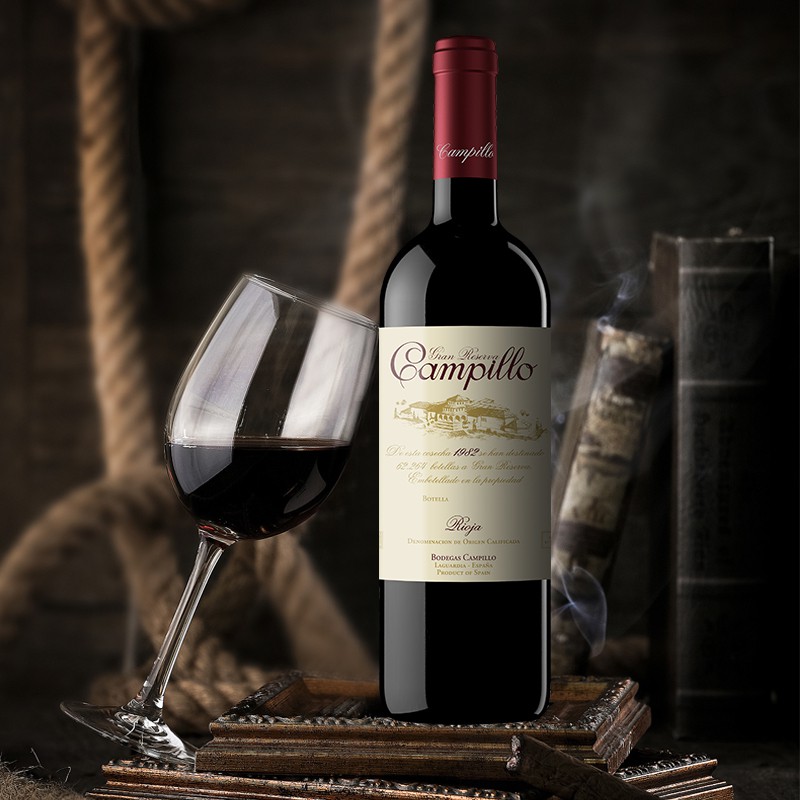
| Gran Reserva | Minimum 60 months | Premium quality, strong aging potential |
Gran Reserva grade red wines typically command higher prices but offer exceptional quality, perfect for special occasions.
Classification by Grape Variety
Spain has abundant indigenous grape varieties, with Tempranillo being the most important red grape variety, covering a significant portion of the national vineyard area. Other varieties include Garnacha, Monastrell, and more. Each grape variety produces red wines with unique flavor characteristics.
When selecting Spanish red wines, it’s recommended to first understand your taste preferences, then choose based on regional characteristics and quality grades. Understanding Spanish red wine categories helps in making the right choice. The notion that higher price equals better quality isn’t always accurate - the key is finding the wine that suits your personal taste.
