Sweet Red Wine Business Experience in Spain
I’ve recently noticed many forum members showing interest in wine retail business. Having worked in this field for over two years, I’d like to share some practical experience today. I specifically chose the sweet red wine niche market because it has deep traditional roots in Spain and maintains a relatively stable consumer base.
Wine Selection and Positioning Strategy
For sweet red wine retail, it’s crucial to first identify your target customer groups. Based on my observations, the main consumers include young people new to red wine, female consumers who prefer sweeter flavors, and middle-aged to elderly customers with nostalgic preferences. When selecting wines, pay special attention to sweetness balance - too sweet appears cheap, while insufficient sweetness loses the characteristic appeal.
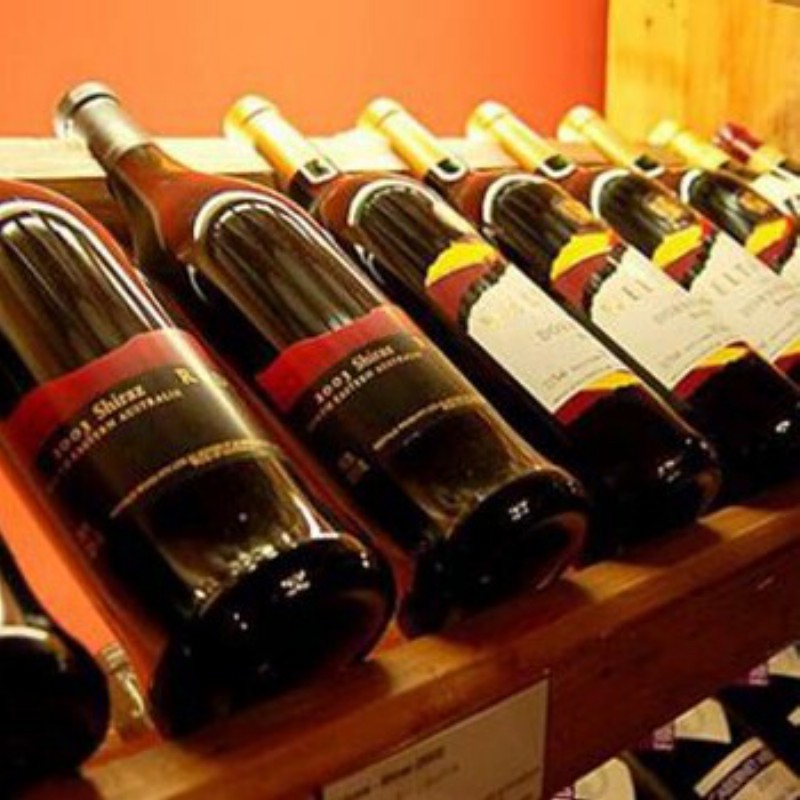
I mainly operate products in three price ranges: entry-level €15-25, mid-range €30-50, and premium €60+. This price structure covers different consumer segments while facilitating targeted recommendations based on customer needs.
Sourcing Channels and Cost Control
Finding reliable suppliers is key to success. I currently work with three main wineries: a traditional winery in Rioja specializing in classic sweet red wines, a modern winery in Catalonia with stylish packaging, and a small family winery focusing on premium products.
| Winery Type | Advantages | Disadvantages | Suitable Products |
|---|
| Traditional Large Winery | Stable quality, favorable pricing | Lack of uniqueness, intense competition | Entry-level products |
| Modern Winery | Beautiful packaging, strong marketing | Higher prices, limited production | Mid-to-high-end products |
| Family Winery | Unique flavors, compelling stories | Unstable supply, communication challenges | Limited special editions |
Regarding cost control, bulk purchasing offers better prices but requires considering inventory turnover and capital allocation. I typically maintain 3-4 months of inventory, ensuring supply continuity without excessive capital pressure.
Sales Channels and Promotion Methods
Currently, I sell primarily through Rioja Wine Direct Sales online platforms and local markets. Online sales mainly rely on social media promotion and personal network marketing - low cost but requiring continuous time and energy investment. Local market sales involve participating in food festivals and wine tasting events to build customer relationships.
Initially, I tried large supermarket chains but found the competition too intense with minimal profit margins. Now I focus mainly on precise customer targeting. While sales volume may not match mass distribution channels, profit margins are higher and customer loyalty is stronger.
Business Insights and Recommendations
The most important aspect of sweet red wine retail is patience. This isn’t an industry for quick wealth - it requires gradually building customer trust and market reputation. I recommend newcomers start small-scale, gradually understanding market demands and customer preferences before considering expansion.
Learning wine knowledge is also crucial. Customers frequently ask about wine characteristics, pairing suggestions, and other professional questions. Inability to answer properly appears unprofessional. I continue learning through sommelier training courses.
I hope this sharing helps friends interested in entering the wine retail field. If you have specific questions about [XO Cognac], feel free to discuss in the comments section!
