As a wine enthusiast who has lived in Spain for several years, friends often ask me how to understand Spanish wine classifications. Initially, I was also confused by this complex grading system, but after gradual exploration, I discovered that mastering a few key points makes identification quite straightforward.
Spanish Wine Classification Basics
Spain’s wine classification system primarily consists of four levels, from lowest to highest: Vino de Mesa, Vino de la Tierra, DO, and DOCa. This system draws inspiration from France’s AOC system while incorporating Spain’s unique characteristics.
The most basic Vino de Mesa is what we commonly call table wine, with no strict regional restrictions. It’s affordable but relatively ordinary in quality. Vino de la Tierra represents an intermediate level between table wine and designated origin wine, with some regional requirements but less stringent than DO standards.
DO Level Details
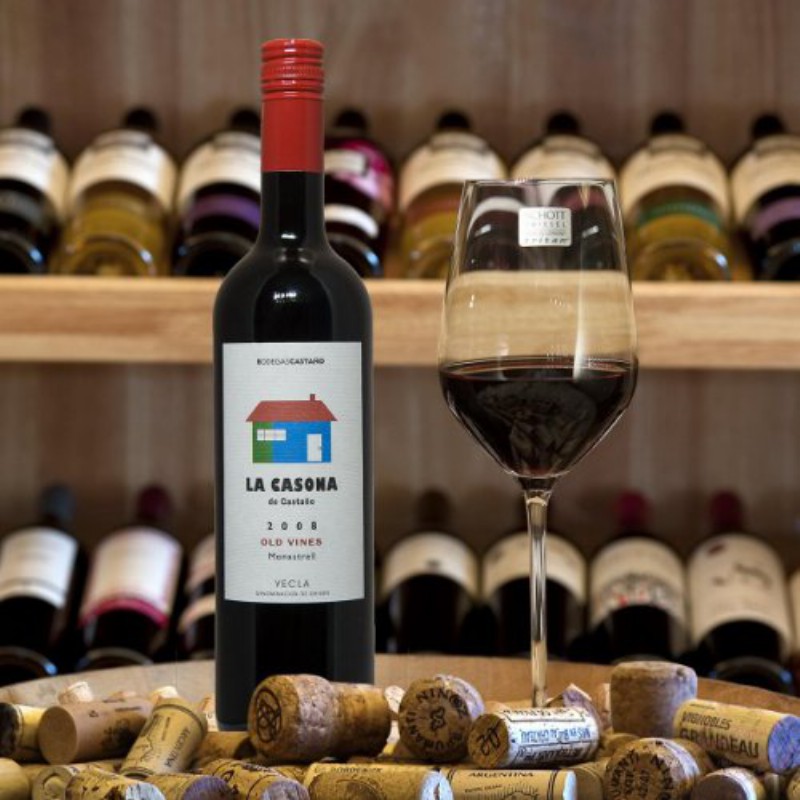
DO forms the core of Spanish wine classification, with nearly 70 DO regions nationwide. Each DO maintains strict production standards, including permitted grape varieties, minimum alcohol content, and maximum yield limits. The famous Rioja, for example, is a DO region.
DO-level wine labels clearly display the region name and DO designation, which is the most easily recognizable mark in Spanish wine classification. Prices typically range from 10-50 euros, offering excellent value for money. I personally recommend Ribera del Duero and Rías Baixas DO regions - the former excels in red wines, while the latter produces outstanding whites.
DOCa Premium Certification
DOCa represents Spain’s highest wine classification level, currently awarded to only two regions: Rioja and Priorat. To achieve DOCa certification, regions must first operate as Spanish wine ratings DO for at least 10 years, with all grapes grown and vinified locally.
DOCa-level wines typically command higher prices but deliver exceptional quality. Rioja’s aged reds and Priorat’s intense wines represent world-class excellence, definitely worth trying if budget allows.
| Level | English Name | Characteristics | Price Range |
|---|
| Vino de Mesa | Table Wine | No regional restrictions | 3-8 euros |
| Vino de la Tierra | Regional Wine | Basic regional requirements | 5-15 euros |
| DO | Denomination of Origin | Strict regional standards | 10-50 euros |
| DOCa | Qualified Designation of Origin | Highest level certification | 25-200+ euros |
Practical Purchasing Advice
For actual purchases, I recommend beginners start with renowned DO regions like Rioja and Ribera del Duero. When reading wine labels, besides classification levels, pay attention to aging designations: Joven, Crianza, Reserva, Gran Reserva.
Don’t focus solely on high classifications - some Vino de la Tierra level wines are excellent, particularly those featuring unique varieties from the Canary Islands or Balearic Islands. The key is choosing based on personal taste preferences and budget, with experimentation being essential to finding your perfect match.
