Spanish Red Wine Sweetness Classification Guide
As a red wine enthusiast who has lived in Spain for many years, I’ve found that many friends are still unclear about the sweetness classification of Spanish red wines. Today I’d like to share my experience, hoping to help everyone better choose red wines that suit their taste preferences.
Sweetness Classification Standards
Spanish red wine sweetness is mainly classified based on residual sugar content, a standard that is universal throughout the European Union. Residual sugar content directly determines the perceived sweetness of red wine, making it an important reference indicator when selecting wines.
| Sweetness Type | Residual Sugar Content | Taste Characteristics |
|---|
| Dry | 0-4 | Almost no sweetness, pronounced acidity |
| Semi-dry | 4-12 | Slightly sweet, well-balanced |
| Semi-sweet | 12-45 | Noticeable sweetness, rich fruit aroma |
| Sweet | >45 | Strong sweetness, suitable for after dinner |
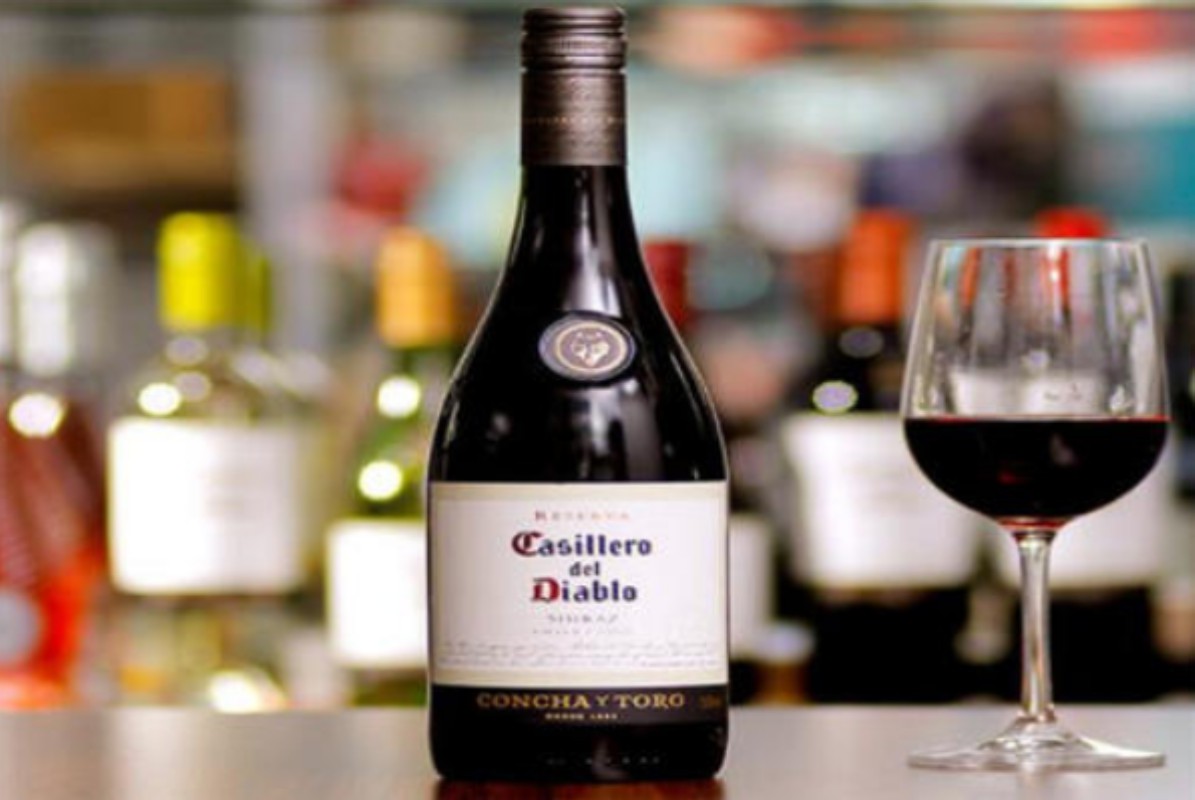
Representative Wines of Different Sweetness Levels
Dry red wines are the mainstream of Spanish red wines, with Tempranillo from the Rioja region being a typical representative. These wines have pronounced tannins and higher acidity, suitable for pairing with meat and cheese.
Semi-dry red wines are relatively rare in Spain, mainly concentrated in some emerging wine regions. These wines maintain the basic characteristics of red wine while adding a touch of sweetness, without being overly heavy, suitable for daily consumption.
Selection Recommendations and Pairings
For beginners exploring Spanish red wine sweetness, I recommend starting with semi-dry wines and gradually adapting to dry red wines. While sweet red wines are easy to drink, they are not common in traditional Spanish dining culture and are more often used as after-dinner wines or for special occasions.
When choosing red wine, consider personal preferences and dining occasions. If you’re looking at Spanish high-sweetness red wines for business entertainment, dry red wines appear more professional; for friends’ gatherings, semi-dry red wines are more easily accepted. Remember, good wine isn’t necessarily the most expensive - what suits your taste is the best choice.
