The Millennial Heritage of Spanish Roman Noble Red Wines
Recently, while visiting an old winery in Madrid, I had the chance to taste several red wines that claimed Roman noble lineage, and their profound, complex flavors left a lasting impression on me. These wines not only carry rich historical culture but also showcase stunning quality enhanced by modern winemaking techniques.
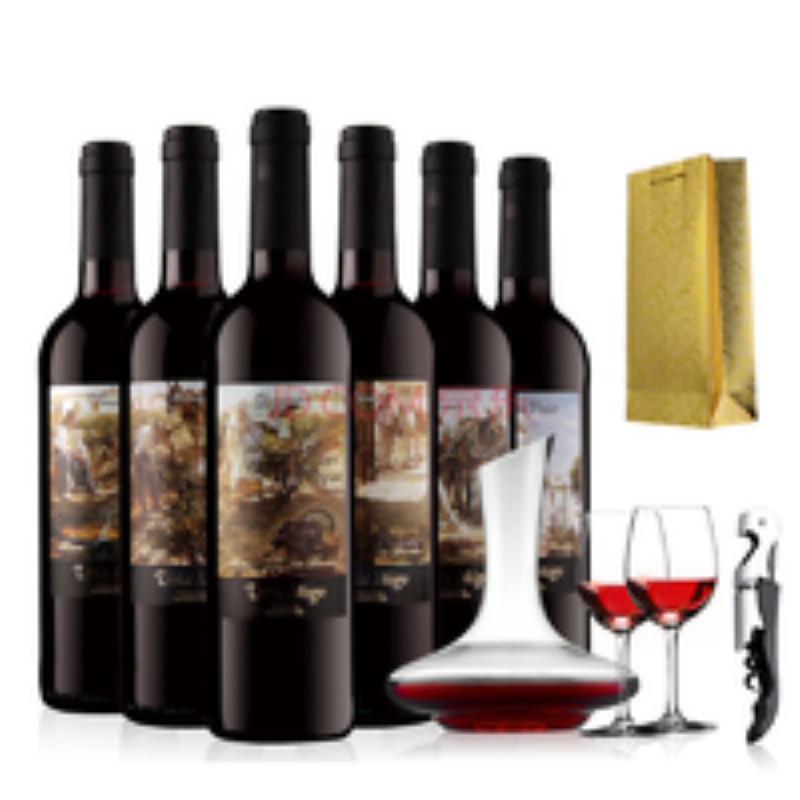
Historical Origins and Traditional Craftsmanship
Spain’s wine history dates back to the Roman Empire era, when nobles were already cultivating grapes and producing wines on the Iberian Peninsula. These Roman noble red wines typically employ traditional winemaking methods, combined with unique local climate conditions and soil characteristics, creating distinctive flavors. Many wineries still maintain ancient winemaking traditions, using oak barrels for long-term aging.
Modern Roman noble red wines are primarily produced in regions like Rioja, Ribera del Duero, and Priorat, where wineries often boast centuries of history. Winemakers carefully select premium indigenous grape varieties like Tempranillo, Garnacha, and Cariñena, strictly controlling yields through meticulous management to ensure every bottle reflects the noble quality of aristocratic heritage.
Flavor Profile and Tasting Notes
| Wine Type | Main Characteristics | Serving Temperature |
|---|
| Young wines | Rich fruit aromas, smooth tannins | 16-18°C |
| Aged wines | Complex layers, vanilla oak notes | 18-20°C |
| Reserve wines | Profound richness, lingering finish | 18-22°C |
When tasting these noble red wines, you’ll first encounter intense blackberry and cherry aromas, followed by vanilla, cedar, and subtle leather notes. Upon tasting, the wine shows full body while maintaining elegance, never displaying any roughness, with balanced tannin structure and appropriate acidity. Well-aged wines also reveal complex tobacco and chocolate notes, with finishes lasting several minutes.
Food Pairing Recommendations
Roman noble red wines pair perfectly with traditional Spanish cuisine. When matched with Iberian ham, the wine’s fruit notes balance the ham’s saltiness, while vanilla flavors from oak aging complement the ham’s nutty aromas. With lamb or beef, the wine’s rich tannins handle the meat’s richness while enhancing the overall dining experience.
For vegetarian enthusiasts, these red wines pair excellently with grilled mushrooms, eggplant stews, or aged cheeses. It’s important to maintain proper serving temperature - too cold masks the wine’s aromatics, while too warm makes the alcohol overly prominent. You can explore more about Roman Prince wine selections for detailed pairing insights.
Collection and Investment Value
In recent years, Spanish Roman noble red wines have gained increasing recognition in international markets, with limited edition releases from renowned wineries becoming collectors’ favorites. These wines offer not only drinking pleasure but also solid investment potential. Particularly rare, meticulously crafted reserve wines often appreciate significantly within a few years.
When purchasing, choose professional wine merchants with proper storage conditions to ensure quality and authenticity. Also check vintage and appellation information on wine labels, as these details often determine a wine’s true value. For comprehensive insights into premium selections, consider exploring Roman Castle wines and their cultural significance.
