Complete Guide to Spanish Paso Red Wine
As a wine enthusiast who has lived in Spain for many years, I’d like to share some insights about Paso red wine today. Paso red wine, as an important component of Spain’s wine industry, possesses unique charm and deep cultural heritage.
Regional Characteristics of Paso Red Wine
Paso red wine is mainly produced in several famous wine regions of Spain, each with its unique soil and climate conditions. Rioja region Paso red wines are renowned for their elegant tannins and complex aromas, while La Mancha region focuses on cost-effective everyday table wines. The altitude differences and precipitation variations in these regions create different styles of Paso red wine.
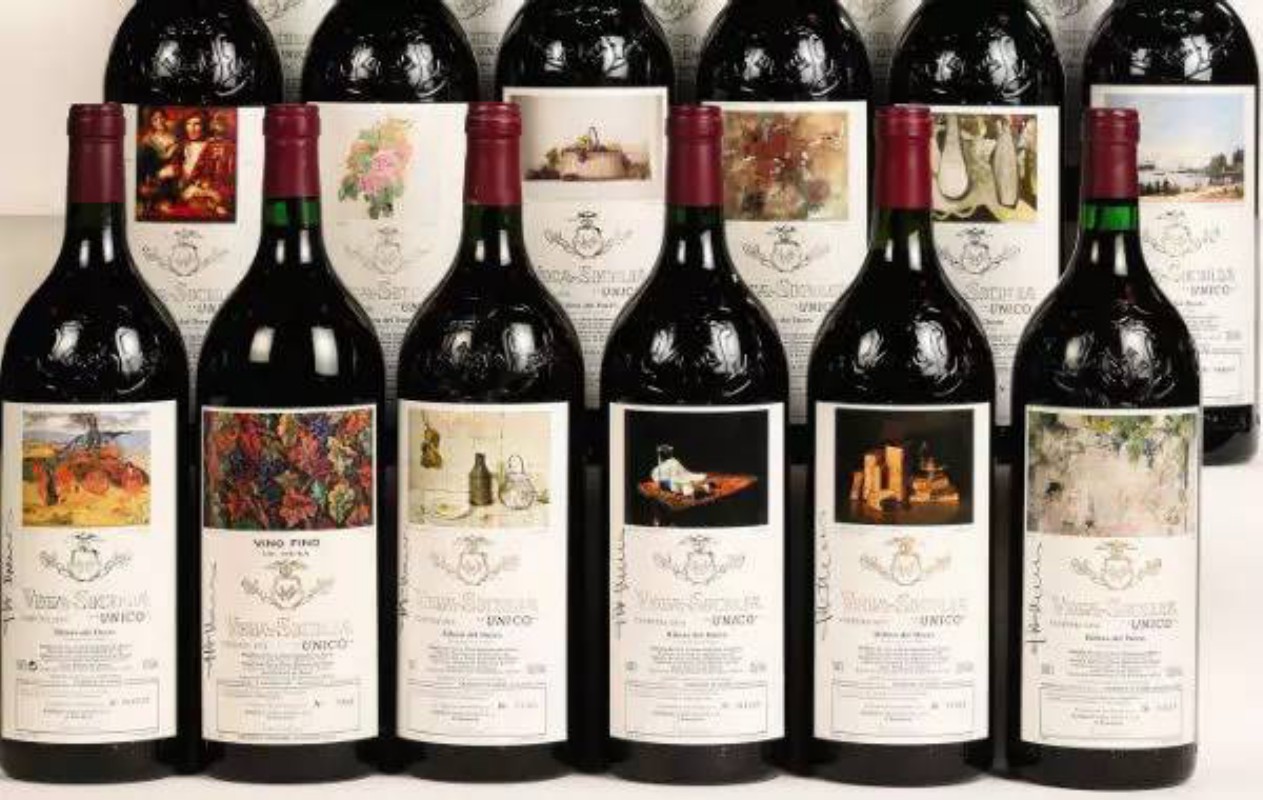
Winemaking Process and Grape Varieties
The winemaking process of Paso red wine is quite meticulous, typically employing traditional fermentation methods. Main grape varieties used include Tempranillo, Garnacha, and Mazuelo. These varieties, in different blending ratios, can produce rich layers of taste and aroma. Fermentation temperature is controlled between 26-28 degrees, with fermentation time usually lasting 10-15 days.
| Grape Variety | Characteristics | Role in Paso Red Wine |
|---|
| Tempranillo | Rich fruit aroma, moderate tannins | Provides Paso red wine main structure and fruit aroma |
| Garnacha | High alcohol content, smooth taste | Increases wine body fullness |
| Mazuelo | Deep color, high acidity | Provides color and preservation ability |
Tasting Tips
When tasting Paso red wine, temperature control is very important - it’s recommended to enjoy between 16-18 degrees. First observe the wine’s color; quality Paso red wine presents deep red or purple-red hues. Then gently swirl the glass to appreciate its aromatic layers. When tasting, pay attention to the balance of tannins and the persistence of fruit aromas. Young Paso red wines typically showcase prominent fruit flavors, while aged ones develop more complex aromatics.
Pairing Suggestions and Storage Methods
Paso red wine pairs excellently with traditional Spanish cuisine, especially roasted lamb roasted beef, Iberian ham, and various cheeses. For daily storage, it’s recommended to store bottles horizontally in a cool, dark place, maintaining temperature between 12-15 degrees. Once opened, Paso red wine should be consumed within 2-3 days to maintain optimal taste.
Through years of tasting experience with Paso Syrah red wine, I’ve discovered that Paso red wine is not merely a beverage, but a window into understanding Spanish culture. I hope these insights are helpful to fellow wine enthusiasts, and welcome everyone to share their own tasting experiences.
