I recently visited the San Millán Monastery in the Rioja region, and I was truly amazed by the wine culture there. As a monastery wine UNESCO World Heritage site, this monastery not only witnessed the birth of the Spanish language but also represents an important part of Spain’s monastic winemaking tradition.
The monastery’s winemaking history dates back to the 10th century, when monks began cultivating grapes and producing red wine on this land. They viewed winemaking as a form of spiritual practice, with every step filled with devotion and focus. Our guide told us that these monks not only mastered the most advanced winemaking techniques of their time but also creatively combined religious rituals with winemaking craftsmanship.
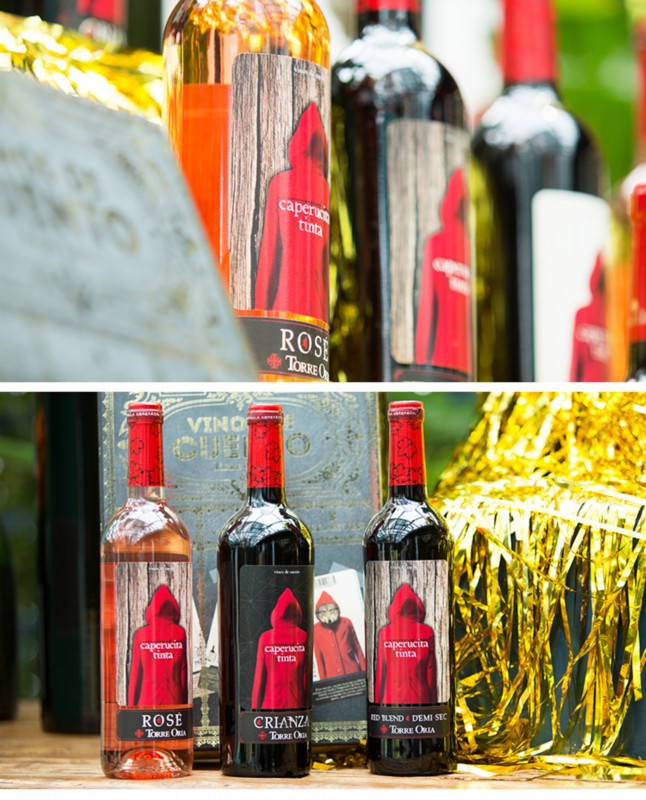
In the tasting room, I had the privilege of sampling several monastery red wines from different vintages. The most impressive was a 2015 Tempranillo blend, displaying a deep ruby color and emanating complex aromas of ripe blackberries and vanilla. Upon tasting, the tannins were smooth yet powerful, with a lingering finish that truly embodied the unique terroir of the Rioja region.
Monastery Red Wine Variety Comparison
| Variety | Characteristics | Ideal Pairings |
|---|
| Tempranillo | Fruity aroma, moderate tannins | Roasted lamb, cheese |
| Graciano | High acidity, deep color | Game meat, sausages |
| Mazuelo | Smooth texture, easy drinking | Paella, vegetables |
During the visit, I learned that modern Royal Monastery wineries still maintain traditional winemaking methods. They use French oak barrels for aging, and some reserve wines even require 15-20 years of aging in underground cellars before being released to market. Although production is limited, every bottle carries deep historical and cultural significance.
If you’re also interested in monastery wines, I recommend booking visits in advance. Tickets cost around 15 euros, including guided tours and tasting experiences. Additionally, their gift shop offers many limited-edition wines, priced from 25 to 150 euros, perfect for collecting or gifting. Remember to bring your passport, as some special areas require registration for access.
