As a wine enthusiast who has lived in Spain for many years, I’d like to share some insights about Spain’s ECCV classification red wines today. Many friends are not yet familiar with this grading system, and I hope this article will be helpful.
What is the ECCV Classification System
Spain’s ECCV classification system is a high-end wine certification framework that has emerged in recent years, primarily targeting premium wines with exceptional quality and unique terroir expression. Unlike traditional DO and DOCa classifications, ECCV focuses more on single vineyard performance and vintage characteristics.
This system divides red wines into four levels: ECCV Reserva, ECCV Gran Reserva, ECCV Especial, and ECCV Excepcional. Each level has strict production standards and quality requirements, with detailed regulations covering everything from vineyard management to winemaking processes.
Comparison of Classification Characteristics
| Level | Aging Time | Price Range | Main Features |
|---|
| ECCV Reserva | 24 months | €25-50 | Balanced elegance, suitable for daily drinking |
| ECCV Gran Reserva | 36 months | €60-120 | Complex layers, high collectible value |
| ECCV Especial | 48 months | €150-300 | Limited production, unique flavors |
| ECCV Excepcional | 60+ months | €400+ | Top-tier collection, artwork level |
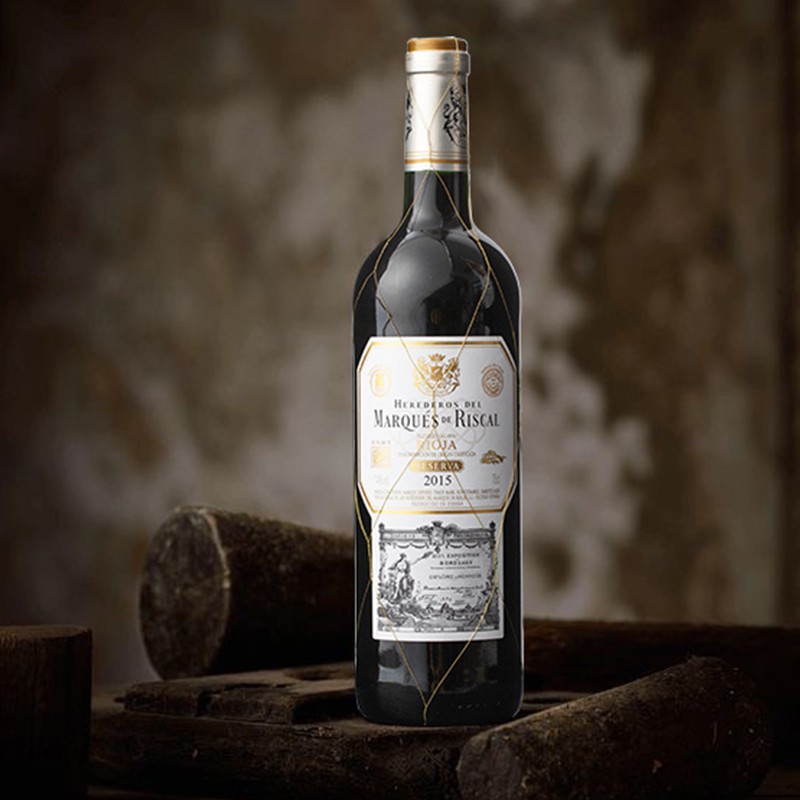
I personally recommend starting with ECCV Reserva level, as wines at this level typically offer excellent value for money. I remember the first time I tasted an ECCV Reserva from Rioja region - that perfect fusion of oak barrel aromas and fruit flavors remains unforgettable to this day.
Purchase Recommendations and Important Considerations
When selecting ECCV classification red wines, I suggest focusing on several key factors. First is the region - Rioja, Ribera del Duero, and Priorat are recognized as premium regions. Second, consider the vintage - Spain’s 2016, 2017, and 2019 were all excellent years.
Price isn’t always an absolute indicator of quality, but the ECCV system maintains relatively consistent standards. I recommend beginners start with entry-level ECCV wines from renowned wineries, such as products from Marqués de Riscal or Vega Sicilia.
Finally, I’d like to remind everyone that ECCV classification red wines typically require proper storage conditions, with temperature controlled between 12-16°C, avoiding direct sunlight. After opening, I recommend using a decanter to allow the wine to breathe properly, which better releases the aromatic and flavor complexity.
