As a wine enthusiast who has lived in Spain for many years, I’d like to share some insights about Spanish red wine. Recently, I visited a small winery on the outskirts of Madrid, and the romantic experience of wine tasting under the starry sky remains unforgettable to this day.
Comparison of Main Regional Characteristics
Spanish red wine regions each have their unique features. I’ve compiled information about the most representative regions, including Spanish starry red wine prices:
| Region | Main Variety | Flavor Profile | Aging Potential |
|---|
| Rioja | Tempranillo | Vanilla oak notes | 10-20 years |
| Ribera del Duero | Tempranillo | Rich fruit aromas | 8-15 years |
| Priorat | Garnacha | Mineral character | 15-25 years |
| Jumilla | Monastrell | Spicy herbal notes | 5-12 years |
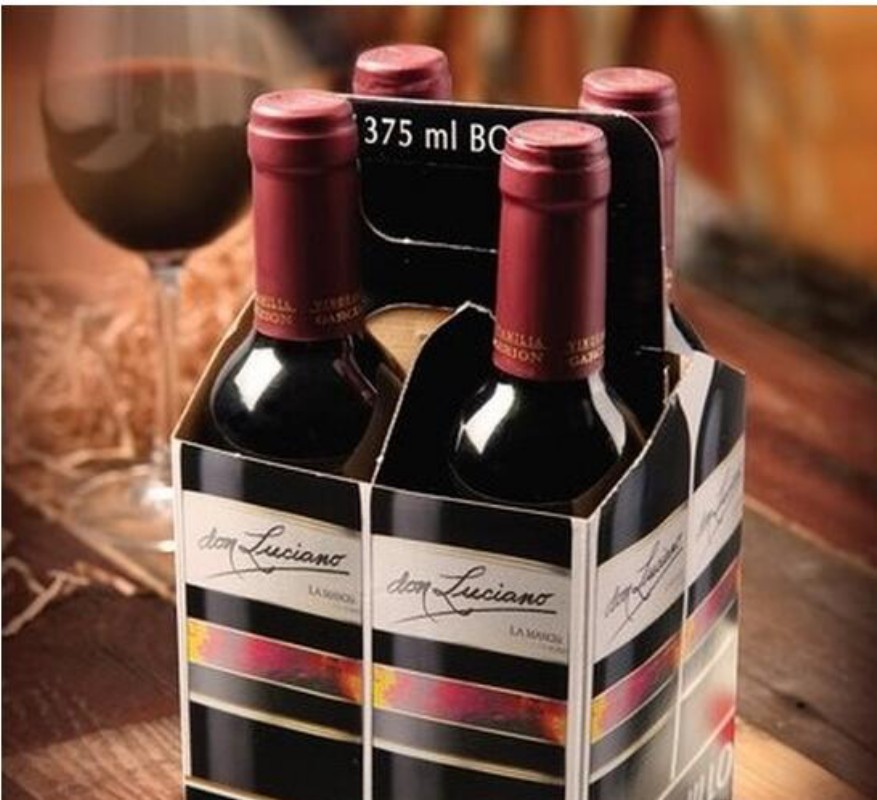
The Charm of Tempranillo Grapes
Tempranillo can be considered the soul variety of Spanish red wine. This grape presents completely different styles across various regions. Rioja’s Tempranillo displays distinct vanilla and coconut aromas, thanks to the use of American oak barrels. Meanwhile, Ribera del Duero’s Tempranillo is more direct and intense, with more prominent fruit characteristics.
My personal favorite is a 2015 Tempranillo from the Rioja Alta region, aged 18 months in oak barrels, offering rich layered flavors, smooth tannins, and a lingering finish. Whenever night falls and I open a bottle of such red wine on the balcony, I can almost feel the tranquility of that starry sky above the vineyards.
Innovation in Modern Winemaking Techniques
In recent years, Spanish wineries have actively adopted modern winemaking technologies while maintaining traditions. The application of temperature-controlled fermentation, gravity-flow winemaking, and precise grape selection has significantly improved the quality of Spanish red wines. Many young winemakers are beginning to experiment with biodynamic cultivation methods, pursuing purer grape expression.
Tasting Suggestions and Pairings
For those new to Spanish red wine, I recommend starting with young Rioja wines, such as Crianza-level reds, which are reasonably priced and beginner-friendly. For food pairings, Spanish red wines form perfect combinations with local cuisine: Iberian ham with aged Rioja red wine, roasted lamb with rich Ribera del Duero reds - these are all classic pairings.
Overall, Spanish red wines are showcasing their unique charm on the global stage. Whether it’s the classic styles from traditional regions or innovative attempts from emerging areas, all are worth our careful appreciation. I hope you too can share a bottle of wine from the Iberian Peninsula with friends under a starry night sky.
