Spanish Wine Mooncake Making Experience
Recently, I tried a very interesting creative experiment at home: making mooncakes using local Spanish wine. Having lived in Barcelona for three years, I especially miss hometown mooncakes every Mid-Autumn Festival, but the ones available here are either too expensive or don’t taste authentic. After seeing a friend share wine mooncake recipes on social media, I decided to try it with the Rioja wine I had at hand.
Ingredient Preparation and Selection
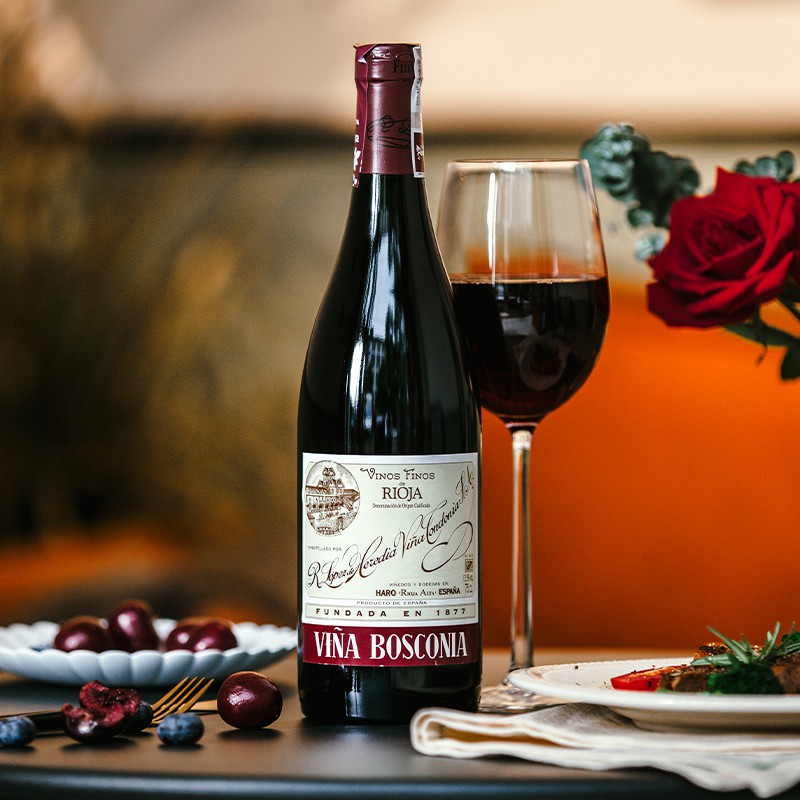
Making wine mooncakes requires relatively simple ingredients. I used regular flour from the local supermarket and chose an affordable Tempranillo wine, around 8 euros. The key is choosing wine that’s not too strong - alcohol content around 12-13% works best. Other ingredients include sugar, oil, eggs, and lotus paste for filling.
Here’s the ingredient measurement table I compiled:
| Ingredient | Amount |
|---|
| Flour | 200g |
| Red Wine | 80ml |
| Sugar | 50g |
| Vegetable Oil | 30ml |
| Egg | 1 piece |
| Lotus Paste Filling | 300g |
Making Process Sharing
The making process was more complex than expected. The biggest challenge is that red wine makes the dough quite moist, requiring adjustments to the flour ratio. I first heated the wine slightly to let some alcohol evaporate, then let it cool before mixing with other ingredients. While kneading, I found the dough was indeed stickier than regular mooncake dough, so I added about 20g more flour.
The filling wrapping process is similar to traditional mooncakes, but baking time needs to be slightly extended. Regular mooncakes bake for 15-20 minutes, but wine mooncakes need about 25 minutes to achieve the ideal color due to higher moisture content.
Taste Experience and Improvements
The final product has a truly unique taste. The mooncake skin carries a subtle wine aroma that’s not overpowering, but adds a distinctive fruity fragrance. When biting into it, you can taste a hint of acidity that creates a nice balance with the sweet lotus paste filling. I think it’s more refreshing than traditional mooncakes - you don’t feel overwhelmed after eating one.
However, I also discovered areas for improvement. The first time I made them, I used too much wine, resulting in softer mooncake skin with shorter shelf life than traditional mooncakes. Next time I plan to reduce the wine amount or try using wine to make syrup as a partial liquid substitute.
Summary and Recommendations
This wine mooncake experiment was quite successful. In Spain’s wine-producing region, using local specialties to enhance traditional Chinese pastries satisfies homesickness while experiencing the joy of cultural fusion. I recommend interested friends give it a try - remember to choose relatively mild-tasting wine and pay attention to dough moisture control during preparation. If you have better improvement suggestions or other creative approaches for Spanish wine mooncakes, I welcome everyone to discuss and exchange ideas together.
