As two major traditional wine-producing countries in Europe, Spain and France occupy important positions in the global wine market. I recently compiled some data about wine production from both countries and would like to share this information with everyone, including details about Spanish wine production.
From an overall production perspective, Spain is indeed the country with the world’s largest vineyard area, boasting over 1 million hectares of vineyards. Interestingly, despite this vast cultivation area, Spain’s annual wine production averages around 40-45 million hectoliters, while France, though having smaller vineyard areas, achieves production levels of 42-48 million hectoliters. This is primarily because French vineyards employ more refined management practices, resulting in relatively higher yields per unit.
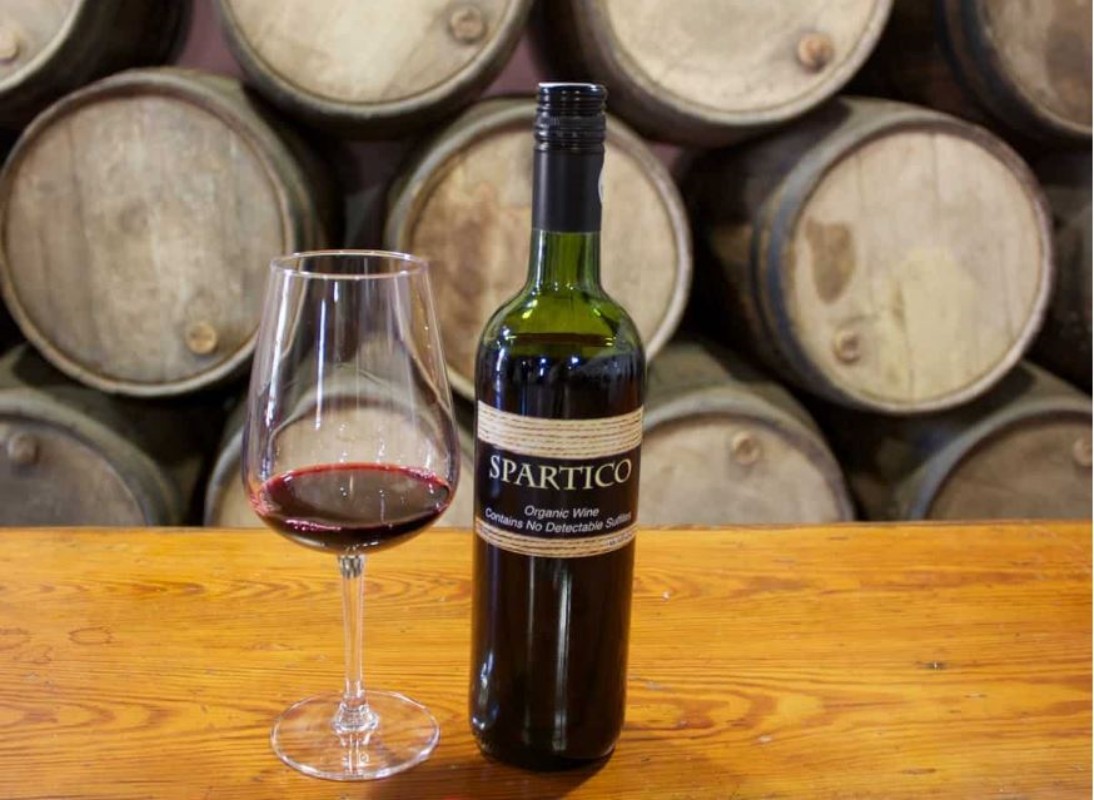
Regional Characteristics Comparison
Spain’s main wine regions include Rioja, Ribera del Duero, and Priorat, primarily featuring Tempranillo grapes. France boasts world-renowned regions such as Bordeaux, Burgundy, and Rhône Valley, with much greater variety diversity. The winemaking styles of both countries also show distinct differences: Spanish wines typically feature rich fruit flavors and full body, while French wines focus more on complexity balance and aging potential.
From a pricing perspective, French wines command significantly higher average prices in international markets compared to Spanish wines. This relates to brand history, market recognition, and marketing strategies, as detailed in analyses of Spanish wine production. However, in recent years, products from some premium Spanish wineries have begun gaining international recognition.
| Country | Annual Production | Main Varieties | Average Price Range |
|---|
| Spain | 4000-4500 | Tempranillo, Garnacha | €8-25 |
| France | 4200-4800 | Cabernet Sauvignon, Pinot Noir | €15-50 |
For those of us living in Spain, considering Spanish wine production, Spanish local wines indeed offer excellent value for money. For everyday dining, Spanish products are perfectly adequate, with lower transportation costs and guaranteed freshness. Of course, for special occasions or collecting purposes, products from renowned French wineries remain excellent choices.
Both countries’ wines have their unique characteristics, and production data is just one reference dimension. As consumers, choosing based on your budget and taste preferences is most important. What wine brands do you usually drink? Feel free to share your recommendations!
