Recently, I tasted several local semi-dry red wines at a small tavern in Madrid, and they were truly impressive. As a wine enthusiast who has lived in Spain for many years, I’d like to share some experiences about Spanish semi-dry red wines today.
What is Semi-Dry Red Wine
Semi-dry red wine falls between dry and sweet types, with residual sugar content typically ranging from 4-12 grams per liter. This type of red wine retains the natural fruit aromas of grapes while avoiding excessive sweetness, making it perfect for pairing with traditional Spanish cuisine. In Spain, these wines are called “semi-seco” and are beloved by locals.
Regional Characteristics
Spanish semi-dry red wines primarily come from the following renowned regions:
| Region | Main Grape Varieties | Flavor Profile | Price Range |
|---|
| Rioja | Tempranillo | Rich fruit aromas, soft tannins | €15-50 |
| Ribera del Duero | Tempranillo | Full structure, rich layers | €20-80 |
| La Mancha | Tempranillo, Garnacha | Approachable, high value | €8-25 |
| Priorat | Garnacha, Cariñena | Strong minerality, high complexity | €25-100 |
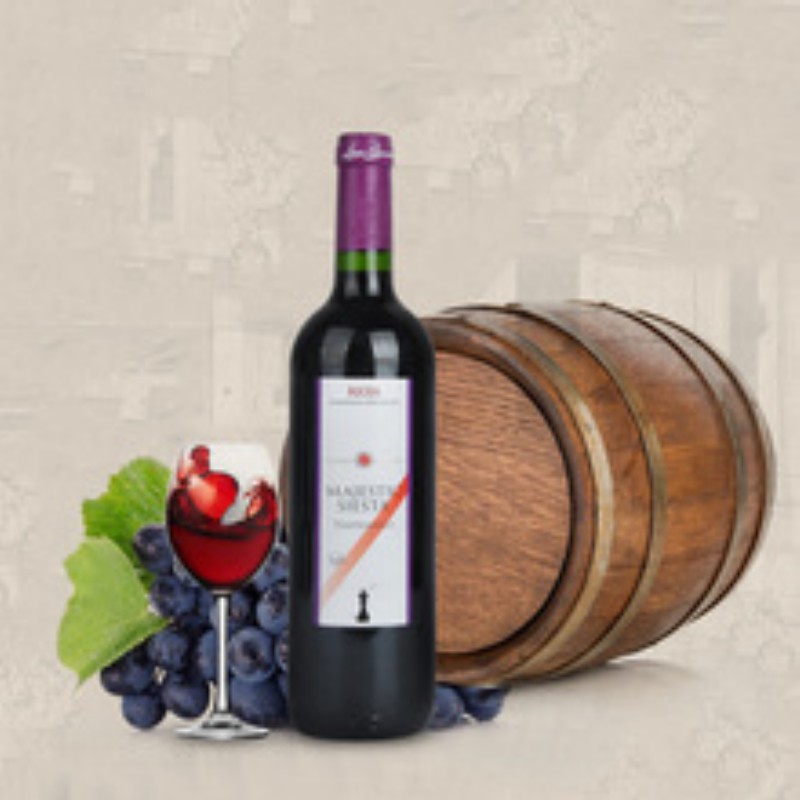
Tasting Techniques and Recommendations
When tasting Spanish semi-dry red wines, start by observing their color depth and transparency. Quality semi-dry red wines typically display deep red or purple-red hues with attractive brilliance. Gently swirl the glass to appreciate the aromatic layers, where you’ll usually detect black berry and cherry scents along with subtle vanilla and oak notes, as detailed in this [Spanish Semi-Dry Red Wine Price Analysis: Complete Buying Guide from Budget to Premium].
When tasting, pay attention to the sweetness balance - good semi-dry red wines should be sweet without being cloying, with moderate acidity. The tannin presence shouldn’t be overpowering, but should form a harmonious whole with fruit aromas and sweetness.
Food Pairing Recommendations
Spanish semi-dry red wines offer versatile food pairing options. They pair exceptionally well with Iberian ham, grilled lamb skewers, cheese platters, and other traditional Spanish tapas. For main courses, consider roasted lamb, beef stew, or seafood paella. The moderate sweetness balanced sweet character also makes them ideal for relaxing evening moments after dinner.
Regarding purchasing advice, choose products with DO or DOCa certification, which guarantees wine quality and authenticity of origin. Beginners can start with moderately-priced wines from La Mancha region and gradually explore premium regions like Rioja.
