Recently, I tasted several local semi-dry red wines at a small tavern in Madrid, and they truly left a lasting impression. As a wine enthusiast who has lived in Spain for many years, I’d like to share some experiences about Spanish semi-dry red wines today.
What is Semi-Dry Red Wine
Semi-dry red wine falls between dry and sweet types, with residual sugar content typically ranging from 4-12 grams per liter. This type of red wine retains the natural fruit aromas of grapes while avoiding excessive sweetness, making it perfect for pairing with traditional Spanish cuisine. In Spain, this type of wine is called “semi-seco” and is beloved by locals.
Regional Characteristics
Spanish semi-dry red wines mainly come from the following renowned regions:
| Region | Main Grape Varieties | Flavor Profile | Price Range |
|---|
| Rioja | Tempranillo | Rich fruit aromas, smooth tannins | €15-50 |
| Ribera del Duero | Tempranillo | Full structure, rich complexity | €20-80 |
| La Mancha | Tempranillo, Garnacha | Approachable, excellent value | €8-25 |
| Priorat | Garnacha, Cariñena | Strong minerality, high complexity | €25-100 |
Tasting Techniques and Recommendations
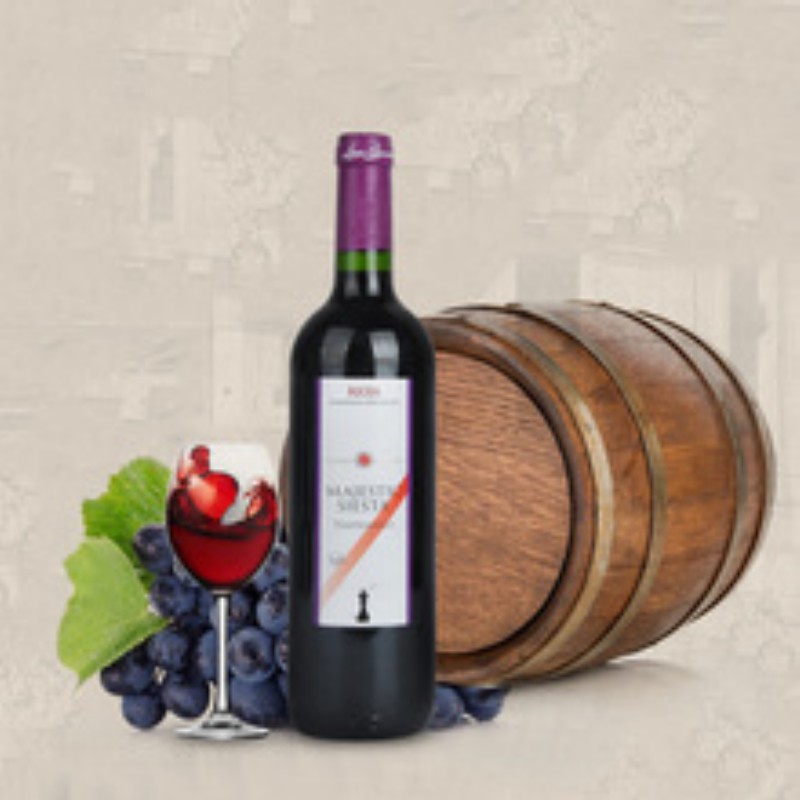
When tasting Spanish semi-dry red wines, it’s recommended to first observe their color depth and transparency. Quality semi-dry red wines typically display a deep red or purple-red hue with an enticing luster. Gently swirl the glass to appreciate the aromatic layers - you’ll usually detect blackberry, cherry, and other red fruit aromas, along with subtle vanilla and oak notes. For more detailed information, check out this comprehensive Spanish Semi-Dry Red Wine Price analysis guide.
When tasting, pay attention to the sweetness balance - a good semi-dry red wine should be sweet without being cloying, with moderate acidity. The presence of tannins shouldn’t be overly assertive, but rather form a harmonious whole with the fruit flavors and sweetness.
Food Pairing Recommendations
Spanish semi-dry red wines offer abundant food pairing options. They pair exceptionally well with Iberian ham, grilled lamb skewers, cheese platters, and other traditional Spanish tapas. For main courses, consider roasted lamb, beef stew, or seafood paella. The moderate sweetness of these wines also makes them ideal for relaxing after dinner.
Regarding purchasing recommendations, choose products with DO or DOCa certification, which guarantees wine quality and authenticity of origin. Beginners can start with reasonably priced wines from the La Mancha region and gradually explore premium areas like Rioja.
