During recent conversations with friends, I discovered we all share a common impression about Spanish red wines: they tend to be acidic. As a wine enthusiast who has lived in Spain for many years, I’d like to analyze this phenomenon from several perspectives.
First, let’s discuss climatic factors. While Spain generally enjoys a warm climate, many renowned wine regions like Rioja and Ribera del Duero are located at relatively high altitudes. The characteristic large diurnal temperature variations allow grapes to maintain higher acidity during ripening, which is a natural law for Spanish red wine acidity. Compared to regions in southern France or southern Italy, grapes from these core Spanish regions indeed exhibit more pronounced acidic characteristics.
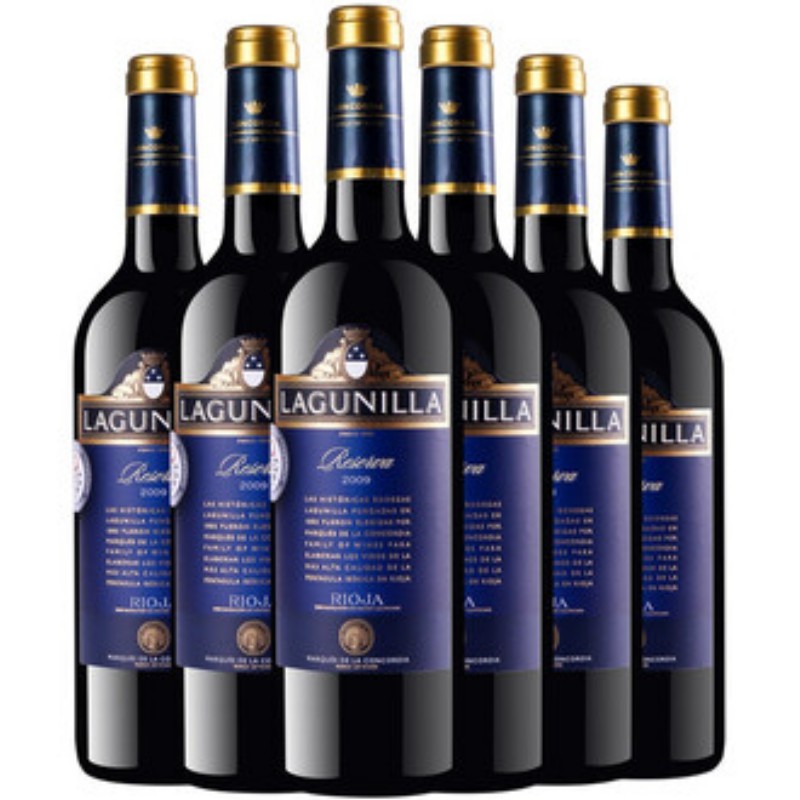
Impact of Grape Varieties
Spain’s primary red wine grape varieties are also a significant factor in creating acidic taste profiles. Tempranillo, as Spain’s national treasure grape variety, naturally possesses high acidity. Compared to Cabernet Sauvignon or Merlot, Tempranillo’s acidity is indeed more prominent. Additionally, while Garnacha offers rich fruit flavors, it also displays notable acidic characteristics in cooler vintages.
| Grape Variety | Acidity Level | Main Regions |
|---|
| Tempranillo | High | Rioja, Ribera del Duero |
| Garnacha | Medium-High | Priorat, Madrid |
| Bobal | High | Utiel-Requena |
| Mencía | Medium-High | Bierzo |
Regarding winemaking techniques, Spanish wineries increasingly focus on maintaining the traditional heavy style freshness and vitality of their wines. Modern temperature-controlled fermentation technology and earlier harvest timing help preserve more natural acidity. Many wineries deliberately maintain the fresh character of their wines to cater to international market preferences, resulting in the acidic characteristics we perceive.
Another significant factor is oak barrel usage. Spain traditionally favors American oak barrels, which have relatively weaker acid-softening effects compared to French oak barrels. Moreover, many young Spanish red wines now reduce oak aging time, and the direct result is retaining more original acidity.
From personal experience, the acidic characteristics of Spanish red wines are not flaws. When paired with local Iberian ham, Manchego cheese, or roasted lamb, this acidity perfectly balances the richness of food, creating perfect taste layers. I recommend that when tasting Spanish red wines, try pairing them with traditional Spanish cuisine - you might discover a completely different experience.
