Exploring Hidden Wineries in Ribera del Duero
I recently had the opportunity to venture deep into the Ribera del Duero region, visiting several lesser-known small family wineries. Compared to those famous big brands, these hidden estates nestled in the countryside are where you truly discover the essence of Spanish red wine. I’d like to share some discoveries from this journey.
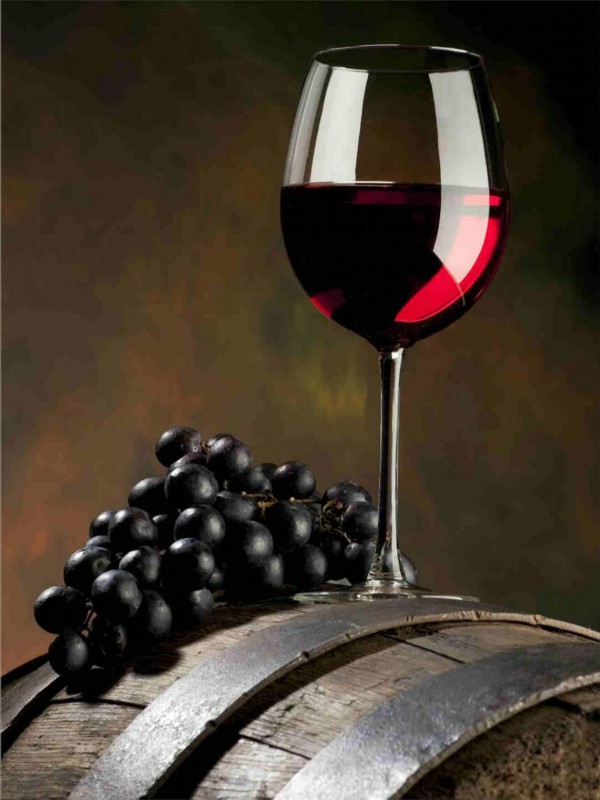
Guardians of Traditional Craftsmanship
On the outskirts of Peñafiel town, I encountered a small winery operated by the Martinez family. This place has been passed down through four generations and still maintains hand-harvesting and traditional fermentation methods. Winery owner Carlos told me their Tempranillo vines average over 60 years old, and while old vine fruit yields are low, their intensity and complexity cannot be matched by young vines.
The winemaking process here is impressive. After harvest, grapes undergo natural fermentation in concrete tanks without added commercial yeast. They then age in French oak barrels for 18 months, followed by at least 12 months of bottle aging before market release.
Regional Character Comparisons
Different sub-regions’ terroir conditions create unique flavor characteristics:
| Sub-region | Soil Characteristics | Primary Flavors | Recommended Vintages |
|---|
| Roa | Primarily limestone | Strong mineral notes, tight structure | 2018, 2019 |
| Peñafiel | Sandy clay | Rich fruit flavors, smooth tannins | 2017, 2020 |
| Aranda | Red clay | Pronounced spice, long finish | 2016, 2019 |
Tasting Experience Sharing
At Bodega Hermanos Sastre, I sampled their flagship wine. This wine displays a deep ruby color, releasing complex aromas of blackberry, licorice, and oak. On the palate, rich fruit flavors balance perfectly with fine tannins, with a finish carrying subtle vanilla and smoky notes. Winery representative Elena explained this results from strictly controlling yields to just 3,500 kilograms per hectare.
What surprised me most was a 15-year-aged reserve. Though quite expensive, the mature leather, cedar, and dried fruit aromas, combined with silk-smooth texture, are definitely worth collecting.
Purchase Recommendations
To experience authentic Ribera del Duero red wine, I recommend choosing products labeled “Crianza” or “Reserva” classifications. These wines undergo sufficient oak barrel and bottle aging, developing more complex and mature flavors. Price-wise, quality Crianza level typically ranges 15-25 euros, while Reserva level costs 30-50 euros.
For those just beginning to explore Spanish red wines, including enthusiasts interested in [secret garden wines], I recommend starting with young Joven wines, which offer fresh fruit flavors and lighter tannins that are more approachable. As your palate adapts, gradually explore more complex aged wines.
