Recently, after visiting several specialized wine shops in Madrid, I noticed that many friends are still quite confused about Spanish VP wine pricing. As a wine enthusiast who has lived in Spain for several years, I’d like to share my observations and experience regarding local VP wine prices.
What is VP Classification Wine
VP is an important classification level in the Spanish wine grading system, positioned between ordinary table wine and DO level. This classification typically has relatively relaxed regional restrictions but still maintains decent quality standards. In terms of pricing, VP wines are often significantly cheaper than top-tier DO wines, yet their quality can be surprisingly impressive.
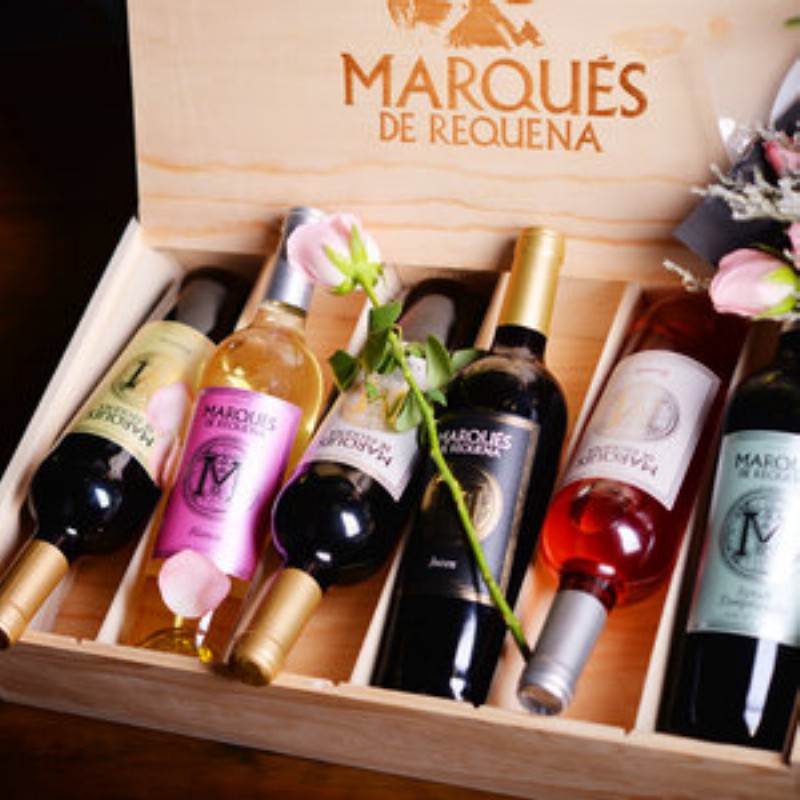
Characteristics of VP Wines in Different Price Ranges
Based on my observations at various wineries and specialized wine shops, Spanish VP wine prices can be roughly divided into the following ranges:
| Price Range | Characteristics | Recommended Occasions |
|---|
| €3-8 | Daily drinking level, light taste | Family dinners |
| €8-15 | Stable quality, rich complexity | Friend gatherings |
| €15-25 | Fine craftsmanship, aging potential | Special celebrations |
| €25+ | Limited production, collectible grade | Important occasions |
In my experience, VP wines in the €8-15 range offer the best value for money, satisfying daily drinking needs while providing satisfying complexity and depth.
Main Factors Affecting Prices
Spanish VP wine prices are mainly influenced by several factors. First is the geographical location and microclimate conditions of the vineyard rather than regional fame. VP wines from quality regions’ peripheral areas often offer moderate pricing with outstanding quality. Second is the winemaking process - VP wines using traditional oak barrel aging typically cost 20-30% more.
Vintage is also a crucial price factor. Generally, VP wines from good vintages cost 15-25% more than ordinary vintages, but this premium remains quite reasonable compared to DO level wines. Additionally, the winery’s reputation and scale also impact pricing, with family-owned small wineries often having more personalized pricing strategies for their VP wines.
Finally, the best places to purchase Spanish VP wines are still local specialized wine shops or directly from wineries. While supermarket purchases are convenient, the selection is relatively limited, and the Spanish VP Wine price advantages aren’t obvious. If you have questions about specific VP wine prices, feel free to leave comments below - I’ll do my best to share my experience and insights. For more detailed information about Spanish VP Wine, you can explore comprehensive guides covering everything from regions to dining experiences.
