The Mysterious Legend of Winged Red Wine
Recently, at an old tavern in Madrid, I heard an intriguing story about winged red wine. It’s said that in certain Spanish wineries, there exists a special red wine called “Vino Alado”, which literally translates to winged wine. While this name sounds romantic, it carries deep cultural significance.
According to locals, this designation originates from a 17th-century legend. A winemaker in the Rioja region accidentally discovered that grapes from certain exceptional vintages produced wine that, during storage, would develop unique sediment formations resembling angel wings. From then on, this wine was imbued with mystical qualities.
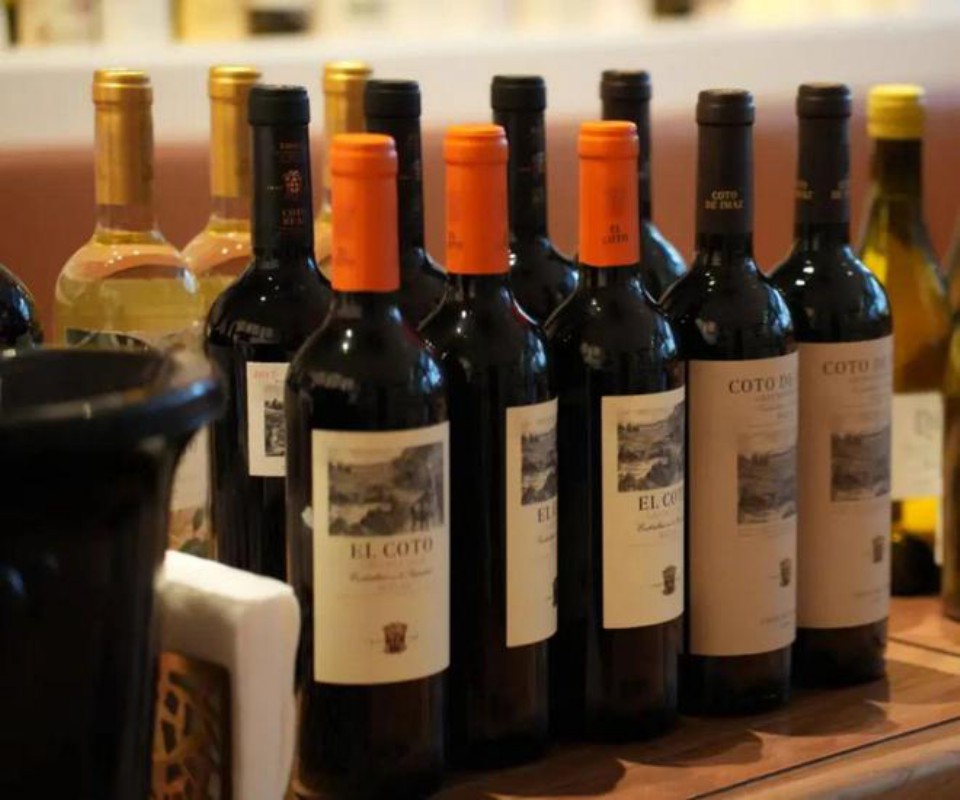
Evolution of Modern Winemaking Techniques
Today’s “winged red wine” more commonly refers to premium red wines crafted using traditional methods. These wineries are typically located in northern Spain, where climate conditions and soil characteristics provide an ideal environment for grape cultivation, as explored in this guide about Spanish red wine wing pairing. Winemakers still adhere to oak barrel fermentation, allowing the wine to acquire unique flavors through time’s passage.
Interestingly, the price range for these red wines varies significantly. I’ve compiled a simple price comparison table for angel wing red wine:
| Winery Level | Price Range (€) | Aging Period |
|---|
| Family Winery | 15-30 | 3-5 years |
| Renowned Winery | 40-80 | 5-10 years |
| Premium Winery | 100+ | 10+ years |
Tasting Experience Review
Last month, I had the privilege of tasting a bottle of 2018 allegedly authentic “winged” red wine. Upon first sip, I could taste rich fruit aromas and vanilla notes from the oak barrel, with a lingering finish. The wine displayed a deep red color, shimmering with an enticing luster under the light.
For newcomers, I recommend starting with wines aged 3-5 years. These vintages maintain the freshness of fruit flavors while possessing certain complexity, and are more reasonably priced. They pair excellently with grilled meats or cheese, effectively balancing the wine’s tannin structure.
I wonder if anyone else has heard similar legends or had the opportunity to taste this special Spanish red wine? I look forward to everyone sharing more interesting stories about Spanish wine culture.
