Recently at a wine specialty store in Madrid, I heard the owner praising a certain Spanish wine by saying: “This bottle is as precious in Spain as Moutai is in China”. This statement made me think: can Spanish wine really be compared to Moutai?
As a wine enthusiast who has lived in Spain for many years, I’ve found that some top-tier Spanish wines can indeed match Moutai in terms of price and status. Particularly wines from the Rioja region’s century-old wineries, such as López de Heredia’s Viña Tondonia Gran Reserva, or Marqués de Riscal’s reserve editions. These wine labels typically cost between 150-300 euros locally in Spain, indeed comparable to Moutai’s positioning.
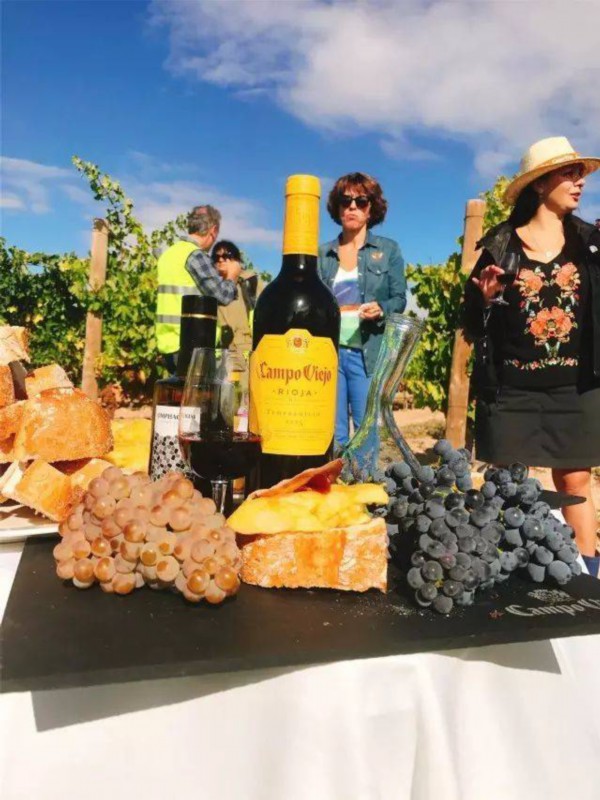
However, their value systems are completely different. Moutai carries more social functions and wine tasting collectible value, while Spanish wines focus on terroir expression and winemaking craftsmanship. I’ve visited several wineries in Rioja and found their dedication to vineyard management and winemaking truly admirable. Particularly with Tempranillo grape cultivation, they strictly control yields, typically producing only 3000-4000 kilograms of grapes per hectare.
Price Comparison Analysis
Let’s look at specific price comparisons:
| Wine Type | Spanish Local Price | Chinese Market Price | Collection Potential |
|---|
| Top Rioja | 200-400€ | 2500-4000¥ | Medium |
| Moutai Feitian | - | 2500-3000¥ | Very High |
| Pingus Wine | 300-500€ | 4000-6000¥ | High |
From an investment perspective, Moutai seems to have greater appreciation potential, but Spanish wines excel in drinkability. I personally collected several bottles of 2001 Vega Sicilia Único, purchased at around 180 euros each, now worth over 400 euros. While the increase isn’t as dramatic as Moutai, for Spanish Moutai ceramic jar wine daily tasting, it offers better value.
Ultimately, I believe comparing Spanish wine to Moutai is more of a marketing strategy. Each has its merits: Moutai represents the pinnacle of Chinese baijiu culture, while Spanish wines showcase the essence of European winemaking craftsmanship. For Chinese friends living in Spain, why not seize the opportunity to taste these “liquid gold” wines while still in the region, experiencing the true charm of Spanish wine culture.
