Recently, during a visit to a winery in Madrid, I was deeply impressed by the rich complexity of Spanish red wines. As a wine enthusiast who has lived in Spain for many years, I’d like to share some insights about Spanish red wines with fellow wine lovers.
Main Regional Characteristics
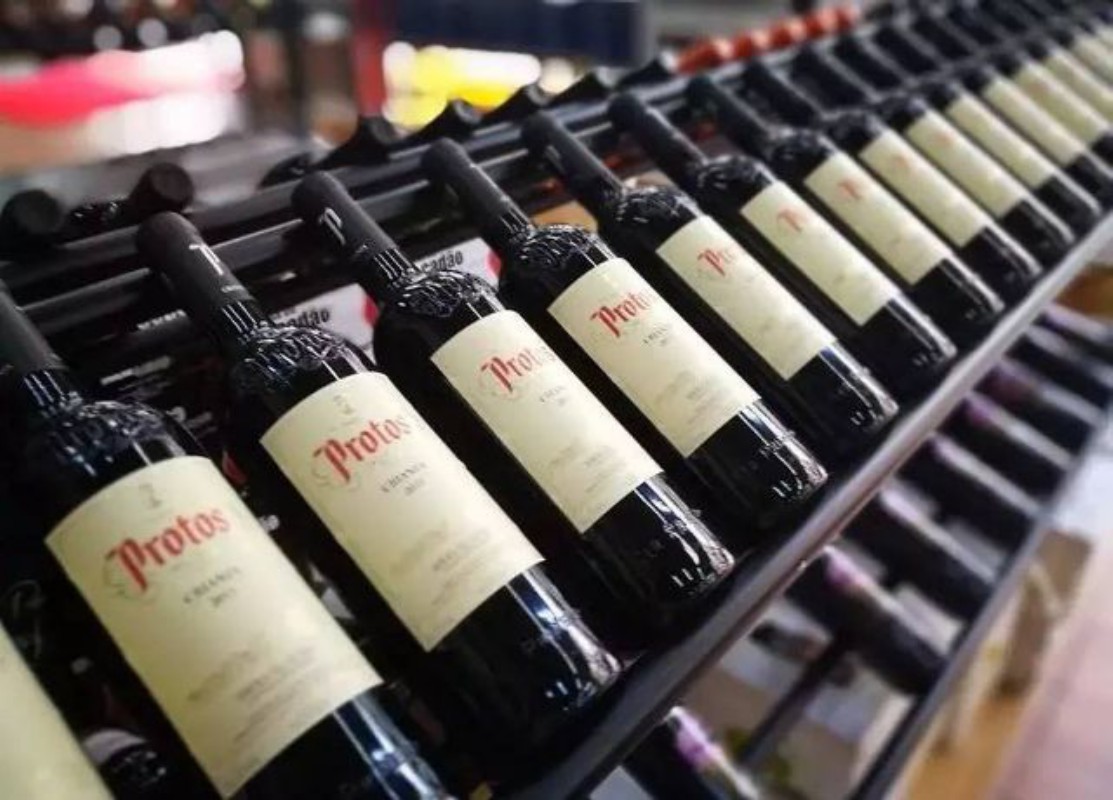
Spanish red wine regions each have their distinct characteristics, with Rioja and Ribera del Duero being the most renowned. Rioja is famous for its elegant and refined taste, primarily made from Tempranillo grapes. Meanwhile, Spanish wine region comparison shows that Ribera del Duero wines are more concentrated and full-bodied, with tighter tannin structures.
Tasting Techniques
When tasting Spanish red wines, temperature control is crucial. It’s generally recommended to enjoy them at 16-18 degrees Celsius, which allows the wine to fully release its aromatic layers. When pouring, fill only one-third of the glass, gently swirl, and observe the wine’s color and legs.
| Region | Main Grape Variety | Flavor Profile |
|---|
| Rioja | Tempranillo | Elegant and refined, rich fruit aromas |
| Ribera del Duero | Tempranillo | Concentrated and full-bodied, rich tannins |
| Priorat | Garnacha | Strong mineral notes, high complexity |
Food Pairing Suggestions
Spanish red wines offer quite flexible pairing options. Light-bodied Rioja reds pair well with roasted lamb or Iberian ham, while full-bodied Ribera del Duero wines are better suited for steaks or cheese platters. In Barcelona’s tapas restaurants, locals often pair red wine with various small plates - this relaxed drinking culture is worth embracing.
For purchasing recommendations, prioritize wines with DO or DOCa certification. Wines priced between 15-50 euros typically offer the best value, allowing you to experience regional characteristics without excessive cost. For those new to Spanish red wines, start with newer vintage Crianza-level wines.
