The Unique Charm of Spanish Artisanal Wines
Recently discovered several impressive artisanal wines at a small winery in Madrid that I simply must share with you. Spanish artisanal wines truly offer flavor profiles completely different from industrial production - each sip reveals the winemaker’s masterful craftsmanship.
The Essence of Traditional Artisanal Production
Artisanal production is characterized by meticulous attention to detail. Unlike large-scale production, artisanal wineries strictly control grape harvest timing, hand-picking only at optimal ripeness. During fermentation, winemakers regularly taste and adjust process parameters based on wine evolution - this personalized attention cannot be replicated by mechanized production.
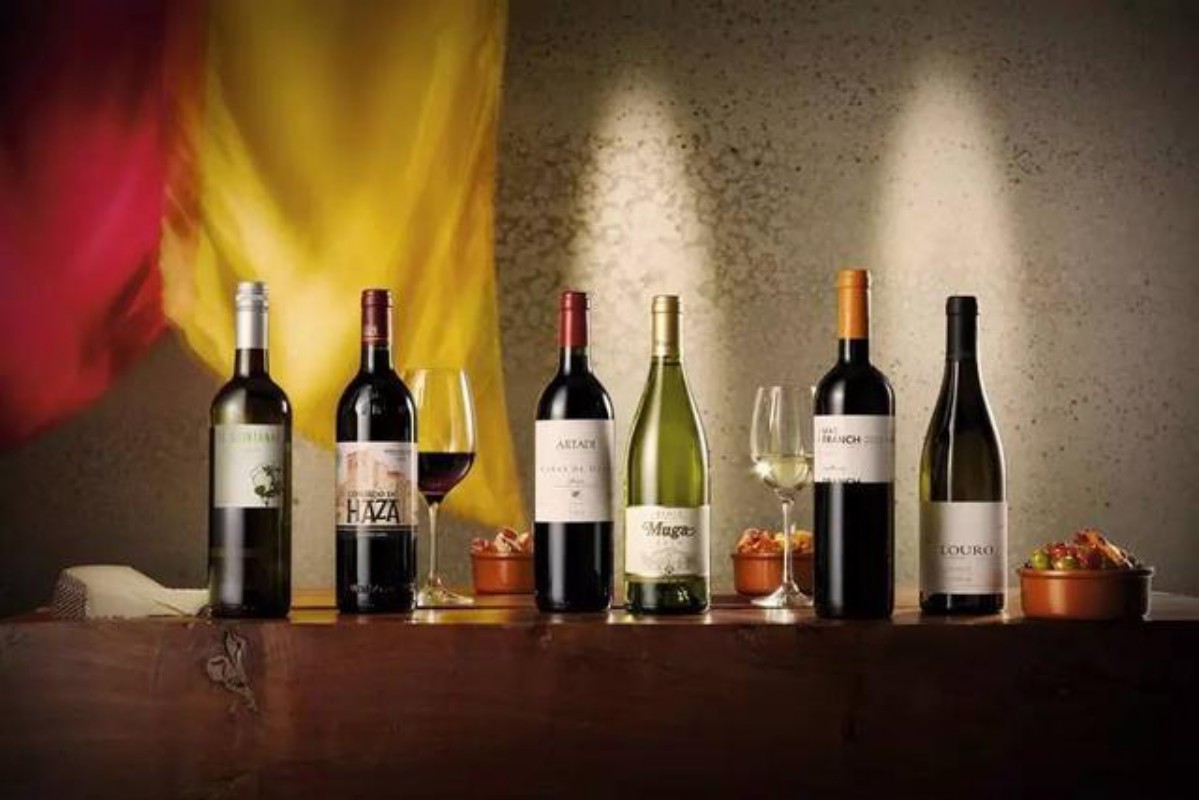
Spain’s northern Rioja region particularly emphasizes oak barrel usage. Traditional artisanal wineries select barrels made from French or American oak, strictly controlling aging periods. Generally, high-quality artisanal wines age 12-24 months in oak barrels, followed by bottle aging, with the entire process potentially requiring 3-5 years.
Regional Comparison Analysis
| Region | Signature Variety | Flavor Profile | Aging Period |
|---|
| Rioja | Tempranillo | Elegant balance, soft tannins | 2-4 years |
| Ribera del Duero | Tempranillo | Rich intensity, prominent fruit | 1-3 years |
| Priorat | Garnacha | Strong minerality, full-bodied | 3-6 years |
Artisanal wines from different regions indeed showcase distinct terroir characteristics. Rioja wines typically display elegance, perfect for pairing with traditional Spanish cuisine, while Ribera del Duero wines offer more modern appeal with direct fruit expression.
Tasting Techniques and Storage Recommendations
When tasting artisanal wines, open bottles 1-2 hours in advance for proper aeration. Never pour and drink immediately, as this misses the complex aromatic evolution of Spanish artisanal wines. Ideal serving temperature is 16-18°C, controllable with professional wine thermometers.
For storage, artisanal wines require precise environmental conditions. Best preserved in temperature-stable cellars or wine cabinets, avoiding direct sunlight and vibration. When conditions permit, artisanal red wines benefit from horizontal storage to maintain cork moisture.
Purchase Channels and Price Reference
In Spain, direct winery purchases typically range 15-50 euros, depending on vintage and region. Renowned artisanal producers like Marqués de Riscal and Vega Sicilia may command higher prices.
For newcomers to Spanish artisanal wines, begin with young Rioja wines - these offer moderate pricing and accessible flavor profiles. Once familiar with Spanish wine characteristics, explore more distinctive boutique winery creations.
