Origins of the Spanish Wine Import Horse Head Label
During recent visits to local wineries, I’ve noticed many wine enthusiasts are curious about the horse head symbol found on Spanish wine bottles. This emblem actually has deep historical significance, representing Spain’s wine quality certification system. The horse head design originates from traditional cultural symbols of Andalusia, embodying strength and elegance—qualities that perfectly reflect the characteristics of Spanish wines.
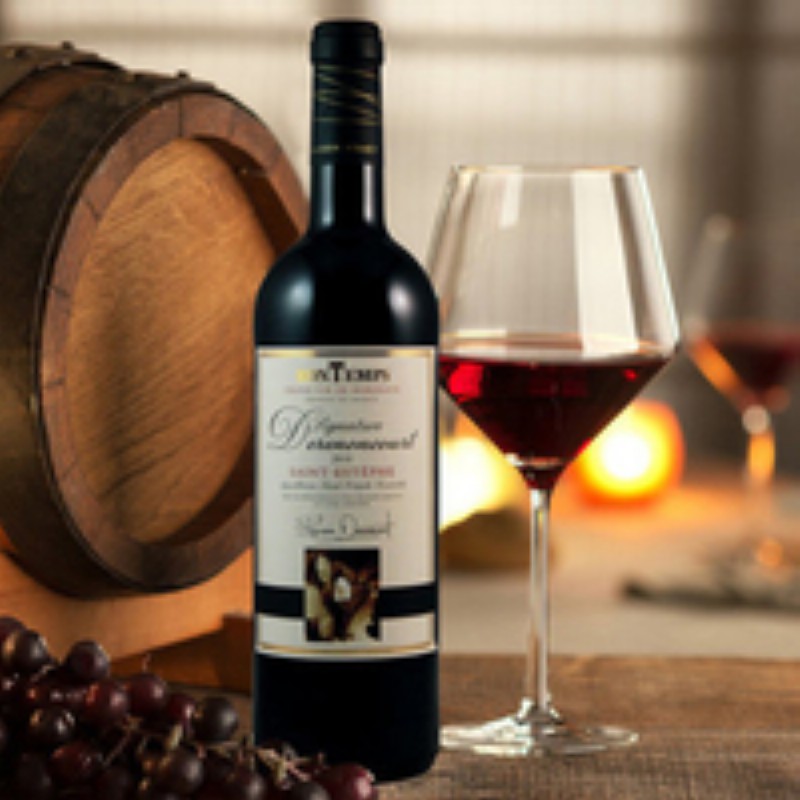
How to Identify Authentic Horse Head Labels
Genuine Spanish imported wines with horse head labels have several key characteristics: the label must be clear and complete, typically positioned on the front or back label of the bottle. Surrounding the symbol, you’ll find Spanish quality certification text such as “Denominación de Origen” or “DO” designation. It’s important to note that not all Spanish wines use the horse head label, as this depends on the winery’s choice and regional regulations.
| Label Features | Authentic Characteristics | Counterfeit Characteristics |
|---|
| Image Clarity | Smooth lines, rich details | Blurry, lacking detail |
| Color Quality | Vibrant colors, distinct layers | Dull colors, monotonous |
| Print Quality | Thick material, good texture | Thin material, easily torn |
Purchasing Recommendations and Key Considerations
When selecting Spanish wines bearing the horse head label, prioritize products distributed by reputable importers. These wines typically come with complete import documentation and quality guarantees. Price-wise, avoid bargain hunting—authentic Spanish DO-level wines retail locally between 15-50 euros, so products below this price range require careful consideration.
When purchasing, inspect the bottle’s integrity, ensuring the cork isn’t loose or damaged. Some retailers claim the horse head label is the only quality guarantee, which is misleading—you should also consider factors like region, vintage, and winery reputation. For those new to Spanish wines, I recommend starting with horse head wine selections from established regions.
Storage and Tasting Recommendations
After acquiring your desired Spanish wine, proper storage is equally important. Store bottles horizontally in a cool, dry place, avoiding direct sunlight and dramatic temperature changes. For tasting, the optimal serving temperature for red wine is 16-18°C, which better showcases its complex aromas and flavor profiles.
For newcomers to Spanish horse head wines, I recommend starting with Rioja region wines, as these typically offer balanced flavors that are easily appreciated. Pairing with local Iberian ham or cheese enhances the tasting experience significantly.
