Recently I’ve been looking to add some quality red wines to my home collection, particularly focusing on wines from the Navarra region. As a wine enthusiast who has lived in Spain for many years, today I’m sharing my insights on Navarra wine prices, hoping to help everyone with their wine shopping decisions.
The Navarra region is located in northern Spain, adjacent to the Rioja region, where 980 wine pricing offers excellent quality wines at relatively affordable prices. Based on my observations at various supermarkets and wineries, Navarra wine prices span quite a wide range, with great options from daily drinking to collector-grade wines.
Entry-Level Price Range Analysis
For friends just getting into Navarra wines, I recommend starting with the 5-12 euro price range. Wines in this price bracket are typically young wines with intense fruit aromas and fresh taste, perfect for daily meal pairings. Basic selections from renowned wineries like Ochoa and Chivite fall within this range and offer excellent value for money.
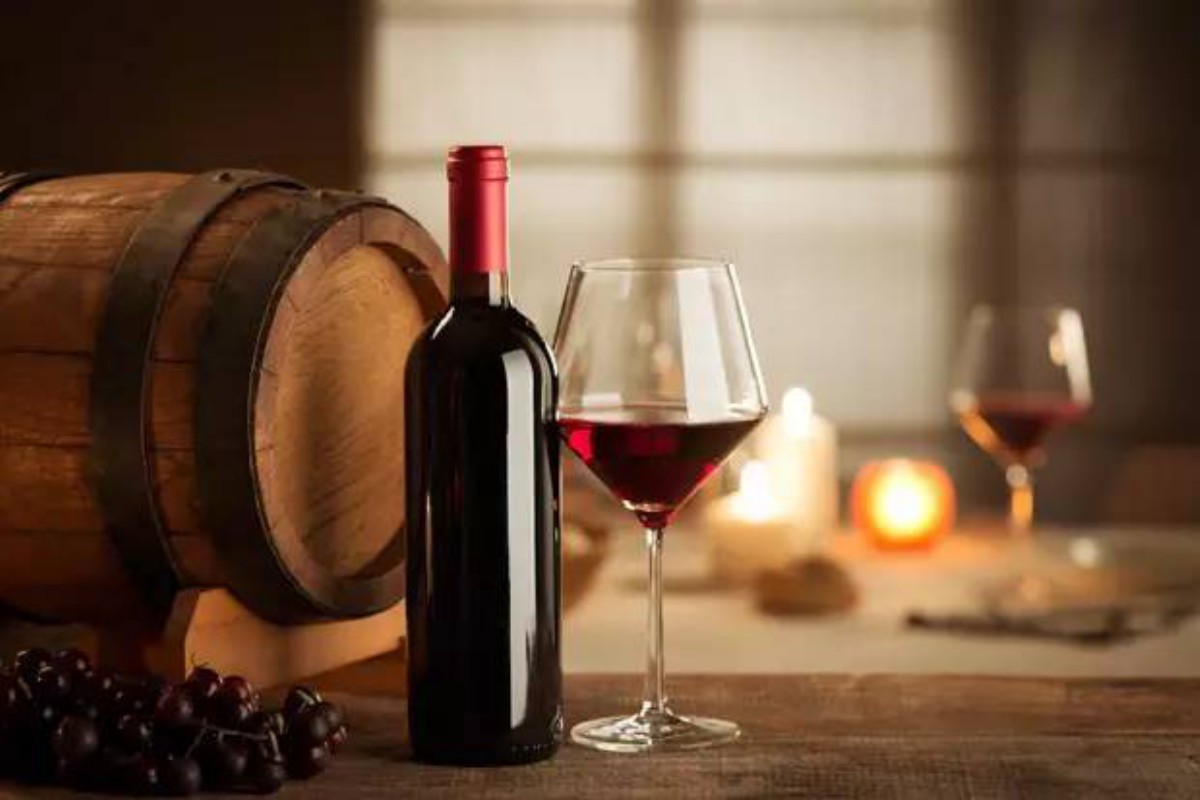
Mid to high-end Navarra wines typically range from 15-35 euros. These wines are often oak-aged with more complex structures, suitable for special occasions or collecting. Limited editions or older vintages may be priced even higher. I personally prefer wines in this price range as they offer excellent balance.
| Price Range | Characteristics | Recommended Occasions |
|---|
| 5-12 euros | Young fruity style | Daily dining |
| 15-25 euros | Oak-aged | Gatherings and celebrations |
| 25-35 euros | Complex structure | Collection and tasting |
| 35+ euros | Premium reserve | Special collections |
Purchase Channels and Seasonal Factors
When buying Navarra wines in Spain, I’ve found significant price differences across various channels. Supermarket chains like El Corte Inglés and Carrefour offer transparent pricing but limited selection. Specialized wine merchants or direct winery purchases may cost slightly more but offer access to rarer selections.
It’s worth noting that Navarra wine prices typically increase by 10-20% around Christmas and Easter. If you’re not in urgent need of Spanish wine grades, I suggest avoiding these peak periods for purchases. Additionally, some wineries offer promotional activities during summer, which present excellent opportunities to acquire good wines.
