Detailed Analysis of Spanish Wine Transportation Spill Accident at Madrid Wine House
A few days ago, a heartbreaking accident occurred on the A-6 highway near Madrid, where a truck loaded with premium red wine from the Rioja region overturned while turning, causing nearly a thousand bottles of wine to spill across the road. As a wine enthusiast who has lived in Spain for many years and familiar with Spanish wine recommendations, I feel it’s essential to share the underlying causes and preventive measures for such accidents.
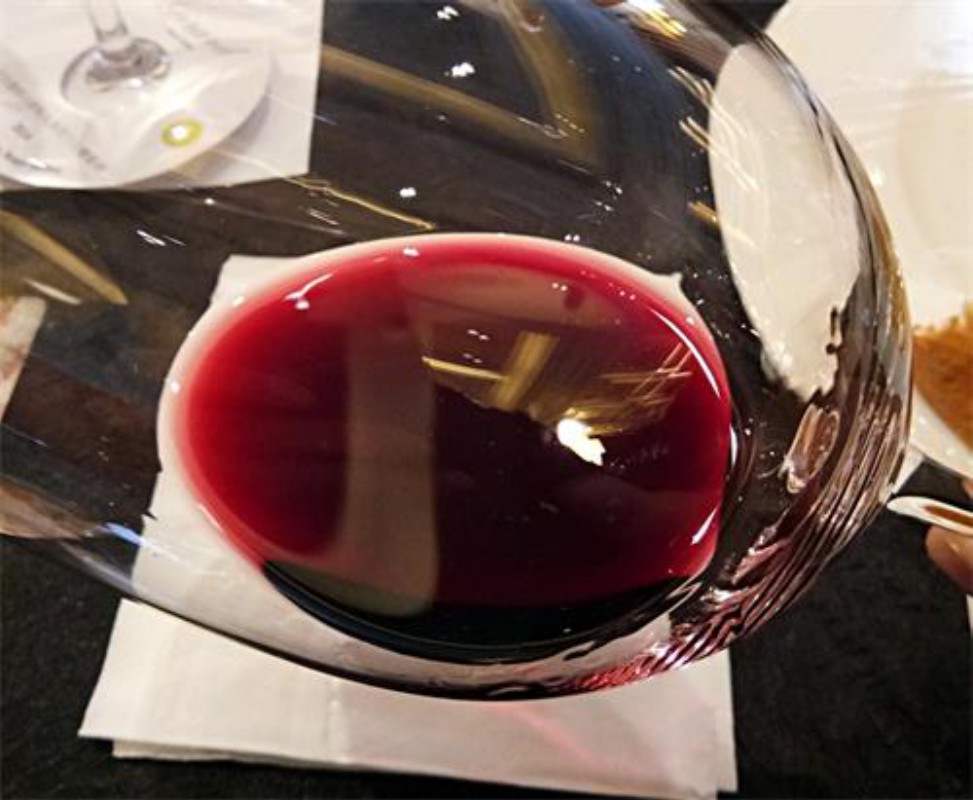
Accident Cause Analysis
According to local traffic department investigations, this accident was primarily caused by several factors: improper cargo loading was the primary cause, as the driver simply stacked wine boxes to save costs instead of securing them in layers as required. Second was vehicle overloading, with actual weight exceeding standard limits by approximately 15%. Finally, driver fatigue played a role, as continuous driving exceeded regulated hours.
This situation is not uncommon in Spanish wine transportation. Many small wineries often choose low-cost transportation companies to control expenses, and these companies frequently have gaps in safety management. The lack of safety awareness ultimately led to enormous economic losses.
Economic Loss Assessment
Based on on-site cleanup, the accident losses were as follows:
| Loss Category | Quantity | Estimated Value |
|---|
| Premium Wine | 800 bottles | 24,000 euros |
| Mid-range Wine | 600 bottles | 9,000 euros |
| Packaging Materials | 200 cases | 1,500 euros |
| Transportation Costs | - | 3,000 euros |
Beyond direct economic losses, the impact on brand reputation is immeasurable. The winery’s wine was originally planned for export to Germany, and now they must reschedule production plans, potentially affecting entire quarterly sales performance.
Preventive Measures Recommendations
Based on this accident, I’ve summarized several preventive measures: First is choosing professional wine transportation companies, which typically have specialized wine transport vehicles and experienced drivers. Second, ensure cargo packaging meets transportation standards using professional wine shipping boxes and securing equipment.
Transportation route planning is also crucial. Avoid construction zones and complex road conditions, choosing relatively smooth highways. Cheap transportation solutions often hide greater risks, which is something many wineries need to recognize.
As consumers, we should also pay attention to transportation when purchasing wine. Choose merchants with comprehensive logistics systems to ensure wines are properly protected during transport. After all, every stage from vineyard to table matters for a good wine, and transportation safety directly affects whether we can taste wine in its optimal condition.
