Recently while shopping for wine at the supermarket, I noticed many local Spanish wine bottles feature VDC markings. Initially thinking it was a winery abbreviation, I later learned from local friends that this relates to the dragonfly phenomenon on wine and represents an important classification within Spain’s wine grading system. Today I’ll share this knowledge with you.
VDC’s Position in Spanish Wine Classification
VDC stands for Vino de Calidad con Indicación Geográfica, representing the third tier in Spain’s wine classification system. Spanish wines are graded from highest to lowest quality as: DOC, DO, VDC, and Vino de Mesa. VDC-level wines fall between DO and table wines in quality, typically sourced from specific geographical regions with certain quality guarantees.
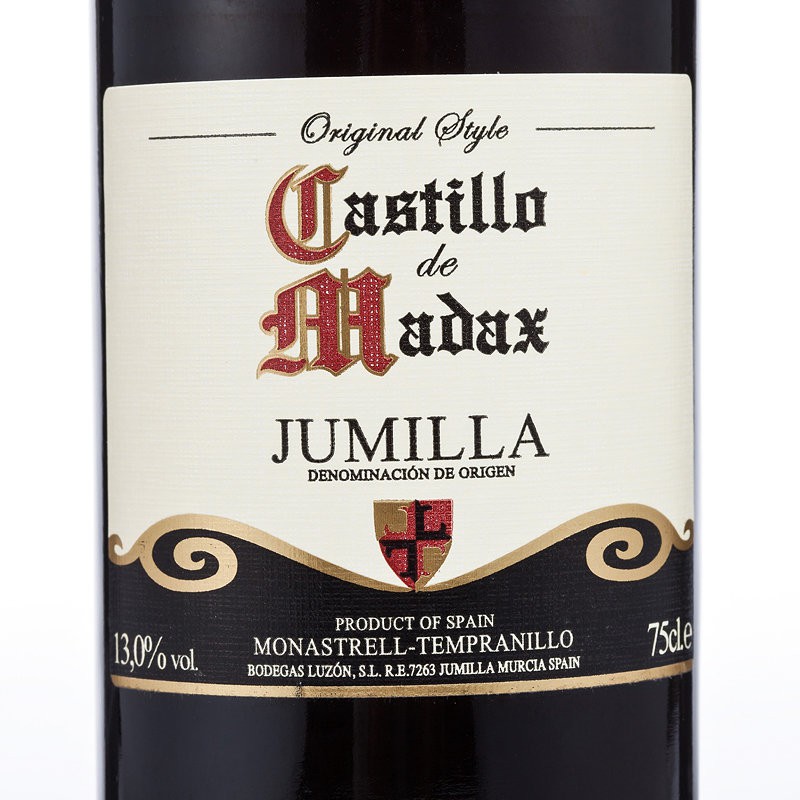
This classification was established primarily to protect wines with local character that haven’t yet met DO requirements. VDC wines must use at least 85% grapes from designated regions and pass corresponding quality tests. Those featuring gold labeling undergo additional certification. Price-wise, VDC wines typically cost more than table wines but less than DO classifications, offering excellent value for money.
Common VDC Regions and Their Characteristics
Spain currently has multiple VDC-certified regions, each with distinctive features. Galician VDC white wines are known for their refreshing qualities, while Andalusian VDC reds offer rich Mediterranean flavors. When purchasing, pay attention to regional information on labels, as this helps understand the wine’s general style.
| Region | Primary Grape Varieties | Flavor Profile |
|---|
| Galicia | Albariño | Fresh and crisp, oceanic notes |
| Andalusia | Tempranillo | Fruit-forward, soft tannins |
| Castilla | Garnacha | Spice-heavy, full-bodied |
I personally recommend prioritizing familiar or interesting regions when selecting VDC wines. Since each region’s climate and soil differ, the resulting wine styles vary considerably, making it important to find regions that suit your taste preferences.
Purchasing Recommendations and Storage Methods
In Spanish supermarkets, VDC wines typically range from 8-15 euros, making them excellent choices for daily consumption. When buying, select newer vintages since this classification level generally isn’t suitable for long-term aging. After opening, consume within 2-3 days, unlike premium DO wines that can be stored longer.
For storage, VDC wines aren’t overly demanding environmentally - room temperature in dark conditions works fine. Wine cellars are ideal if available, but cool, dry places suffice otherwise. During hot summer months, refrigerator storage is recommended, removing bottles 30 minutes before serving to reach proper temperature.
