Recently I’ve discovered some excellent wines at several wineries and professional wine merchants in Madrid, and I’d like to share my insights on selecting premium Spanish wine cases. As a wine enthusiast who has lived here for several years, I’ve found that many people are still somewhat confused about what constitutes Spanish premium wine “premium” wine and Spanish premium wine sets.
Price Range and Quality Positioning
In my opinion, Spanish premium wines are primarily concentrated in the 15-35 euro per bottle price range. Wines in this price point typically come from renowned regions, are crafted using traditional methods, offer stable quality and possess certain aging potential. Compared to those top-tier wines that cost over a hundred euros, this price range is more suitable for daily tasting and social sharing.
Purchasing by the case usually offers 10-15% discounts, which is quite cost-effective for those of us who enjoy stocking wine. Especially during direct winery sales events, you can often find excellent deals.
Recommended Regions and Wineries
| Region | Recommended Winery | Signature Variety | Reference Price |
|---|
| Rioja | Marqués de Riscal | Tempranillo | 18-25 |
| Ribera del Duero | Pesquera | Tempranillo | 22-30 |
| Priorat | Alvaro Palacios | Garnacha Blend | 25-35 |
| Jerez | González Byass | Palomino | 15-20 |
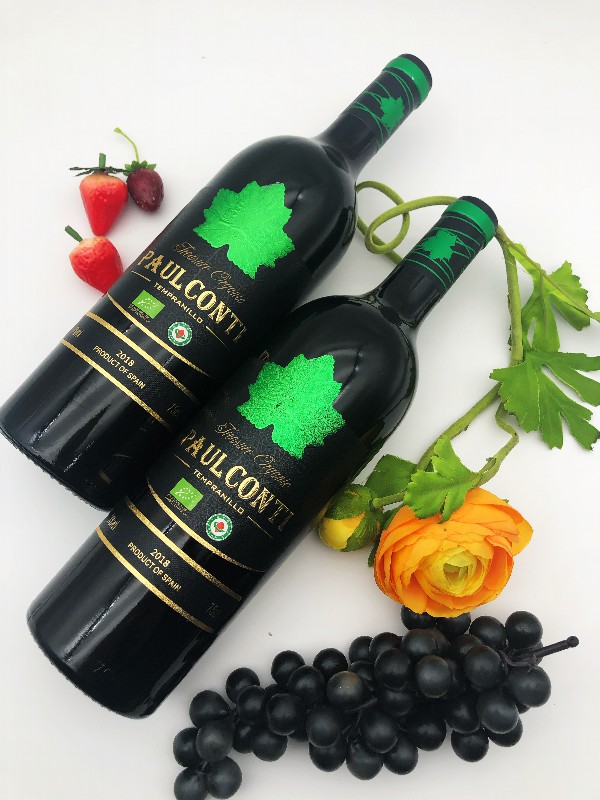
From my personal tasting experience, Rioja region wines offer the best value for money, especially those Crianza and Reserva levels that have undergone oak barrel aging. Ribera del Duero wines are more concentrated and full-bodied, perfect for pairing with grilled meats.
Purchase Channels and Storage Recommendations
When buying wine cases in Spain, I typically choose from the following channels: direct winery sales, professional wine merchants, wine sections of large supermarkets, and online wine platforms. Each channel has its advantages - direct winery sales offer the best prices but limited selection, while professional wine merchants provide the best service but at slightly higher prices.
Storage requires special attention to temperature control. Spanish summers are extremely hot, so I recommend investing in a temperature-controlled wine cabinet, or at least finding a cool, well-ventilated storage location. Never store wine on balconies or near heating systems, as this will seriously affect wine quality.
Another benefit of buying cases is the ability to gradually taste the same wine’s evolution over different periods. I usually open a bottle every few months, recording changes in taste, which helps me better understand the wine’s characteristics and optimal drinking period. I hope these experiences are helpful to everyone, and I welcome other wine enthusiasts to share their selection insights.
