I recently tried several impressive rosé wines at a winery tasting event in Madrid and couldn’t help but want to share the experience with everyone. As a wine enthusiast who has lived in Spain for many years, I’ve found that many people don’t have deep knowledge about Spanish rosé wines, so today let’s discuss this topic.
Regional Distribution of Spanish Rosé Wines
Spanish rosé wines are mainly concentrated in several core regions. The Andalusia region with its unique Mediterranean climate creates fruit-forward rosé wines, while rosé wines from Catalonia are more elegant and refined. Although the Rioja region is famous for red wines, its rosé wines are equally noteworthy with rich layers of flavor.
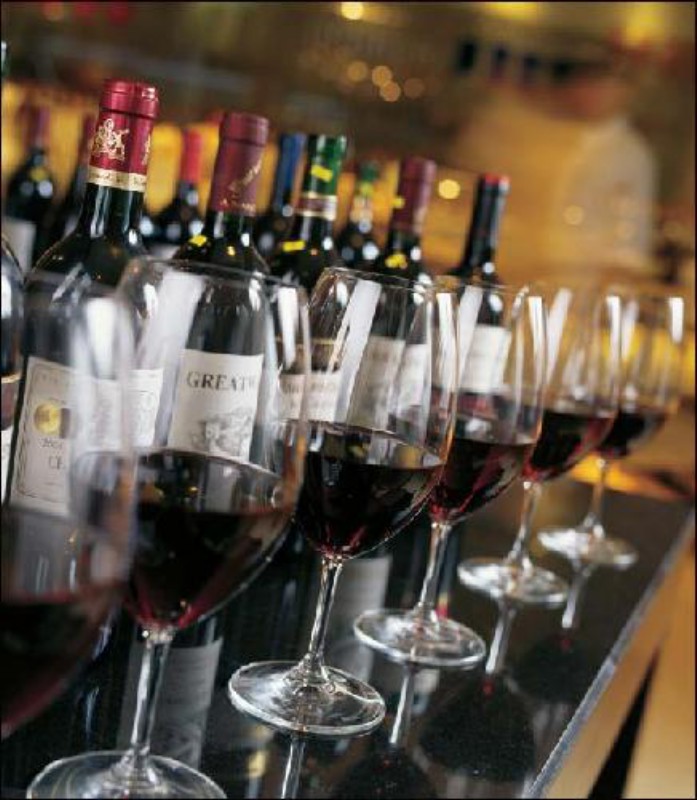
The style differences between rosé wines from different regions are quite distinct. Southern region wines typically have fuller body with prominent fruit flavors, while northern regions tend to produce more refreshing styles. These differences mainly stem from climate conditions and grape variety selections.
Main Grape Variety Characteristics
Spanish rosé wines use quite a diverse range of grape varieties. Tempranillo is one of the most common varieties, producing rosé wines with strawberry and cherry aromas. Garnacha can produce deeper-colored rosé wines with fuller mouthfeel.
| Grape Variety | Aroma Characteristics | Taste Description |
|---|
| Tempranillo | Strawberry, cherry | Fresh and balanced |
| Garnacha | Raspberry, spice | Full and round |
| Bobal | Floral, citrus | Light and elegant |
It was once believed that rosé wine was just a byproduct of red wine, but now more and more wineries specifically craft rosé wines. These specialized wines show significant improvements in color, aroma, and taste.
Tasting and Pairing Recommendations
When tasting Spanish rosé wines, it’s recommended to chill the wine to 8-12 degrees Celsius. After pouring into the glass, first observe the depth and transparency of the color - quality rosé wine should display a clear pink hue. After swirling the glass, carefully smell the layered changes in aroma.
Regarding food pairing, Spanish rosé wines are highly adaptable. Paella, grilled fish, salads are all classic pairings, especially during summer outdoor dining when a chilled glass of rosé can provide an excellent refreshing experience.
For those just getting acquainted with Spanish rosé wines, I recommend starting with entry-level wines from well-known regions. Wines priced between 15-25 euros usually offer good value, allowing you to experience the characteristics of Spanish rosé while not causing too much financial burden. You might also want to explore award-winning Spanish rosé wines that have gained international recognition for their exceptional quality.
